
When we think of "survivalism," we often picture a hermit hidden deep in the woods, clad in camouflage and chopping...
Latest posts
-
 Why prepare for a crisis in the city: the complete beginner's guideRead more
 -
 Emergency Food Stockpile: The 10 Essential Foods in a CrisisRead more
In a world where economic, geopolitical, and climate uncertainties regularly make headlines, the issue of food...
-
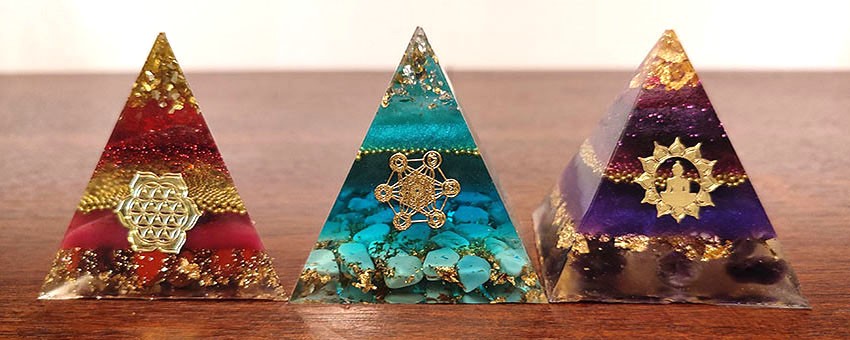 Orgonite pyramids: between craftsmanship, energy and symbolismRead more
Jewelry, decorative objects, energy generators... Orgonite pyramids fascinate as much as they raise questions. An...
-
 The Timeless Beauty of the Color PinkRead more
Pink. This unique color instantly evokes tenderness, femininity, and delicacy. In the world of handcrafted creations,...
-
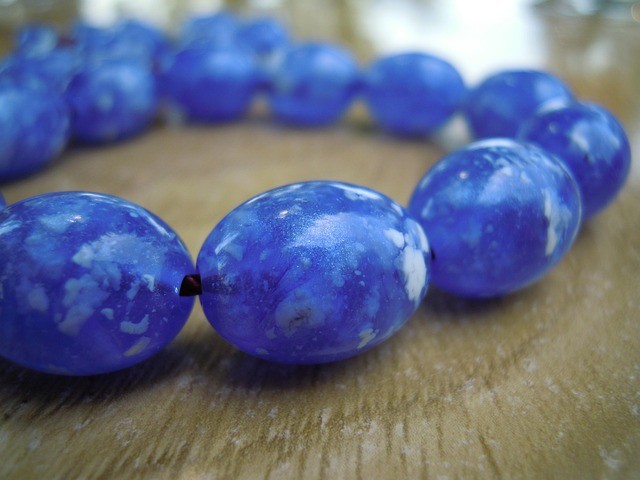 The Kombolois: The Ancestral Art of Mediterranean Bead StringsRead more
In the fascinating world of traditional handcrafted objects, komboloi hold a special place. These strings of beads,...
-
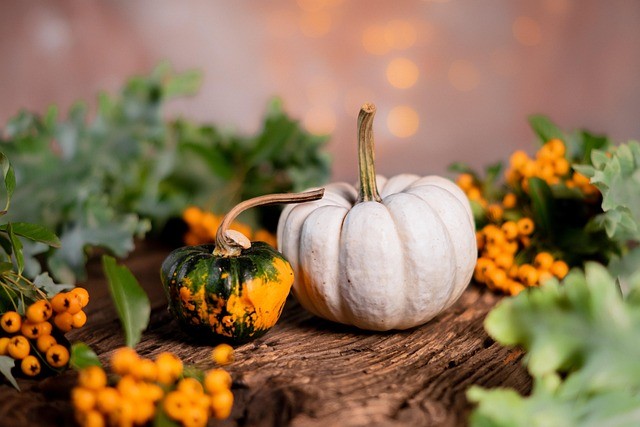 Decorative Pumpkins: An Ancient Art That Brightens Our InteriorsRead more
The decorative pumpkin is much more than just a symbol of autumn. This humble gourd has traveled through centuries...
-
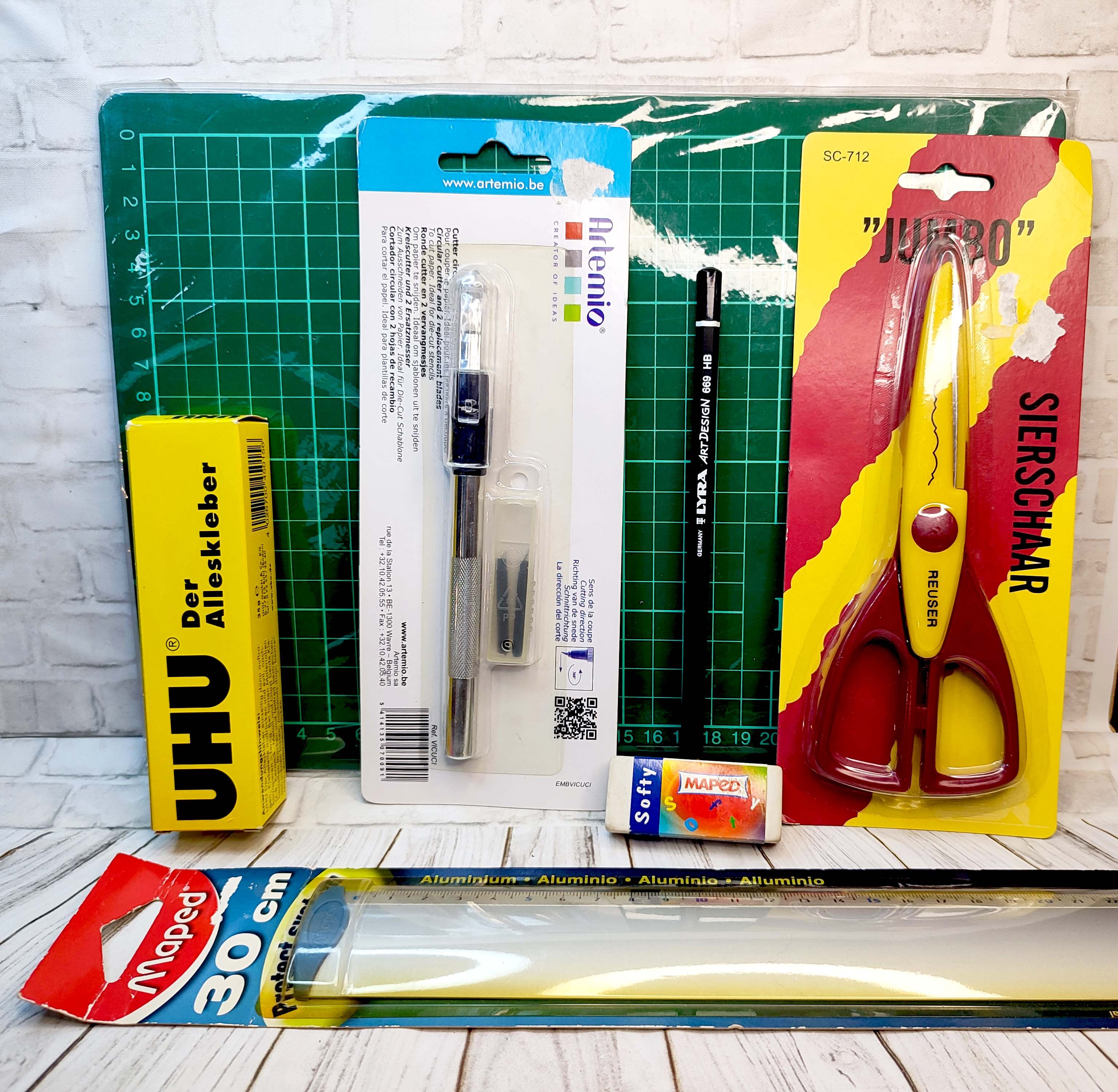 The essential materials for getting started in scrapbooking: your creative starter kitRead more
Scrapbooking, the art of creative layout that showcases photos and memories in personalized albums, is attracting a...
-
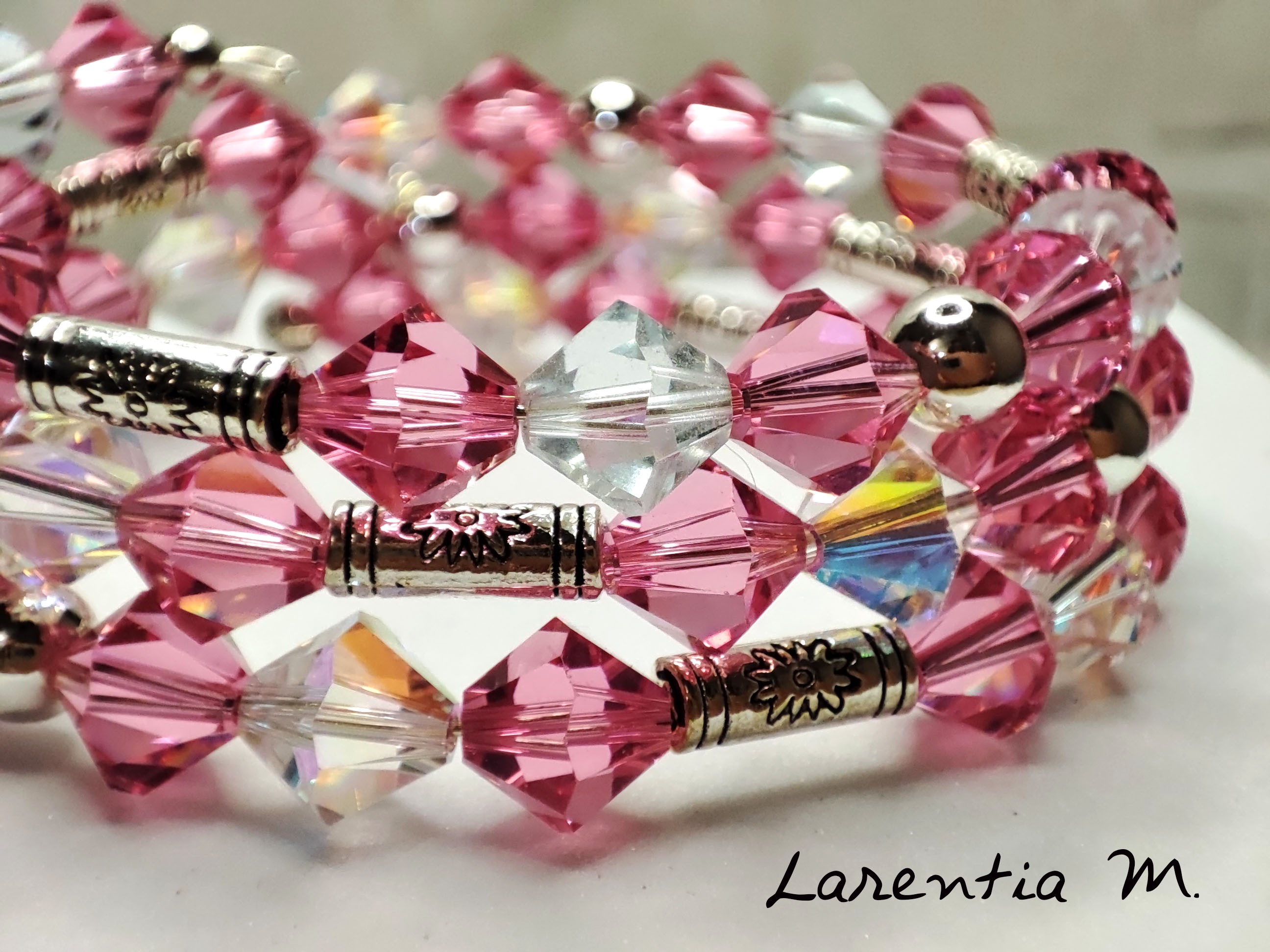 Crystal Beads: Millennial Treasures of Contemporary CraftsmanshipRead more
Crystal beads hold a special place in the world of handcrafted jewelry and home decor. These little marvels, the...
-
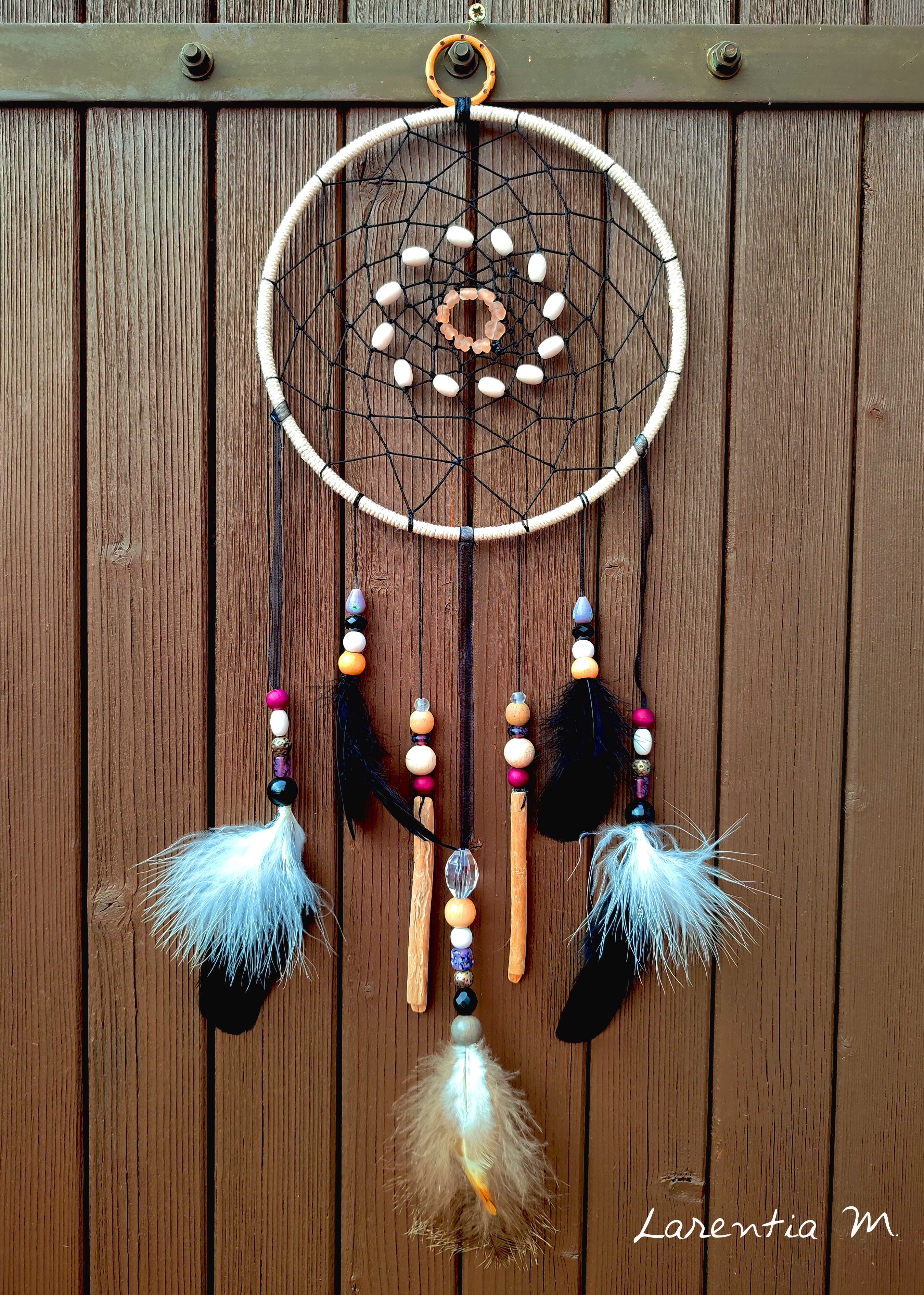 Dreamcatchers: History, Traditions and Handcrafted CreationRead more
The dreamcatcher is much more than just a decorative object. This handcrafted creation, originating in Native...
-
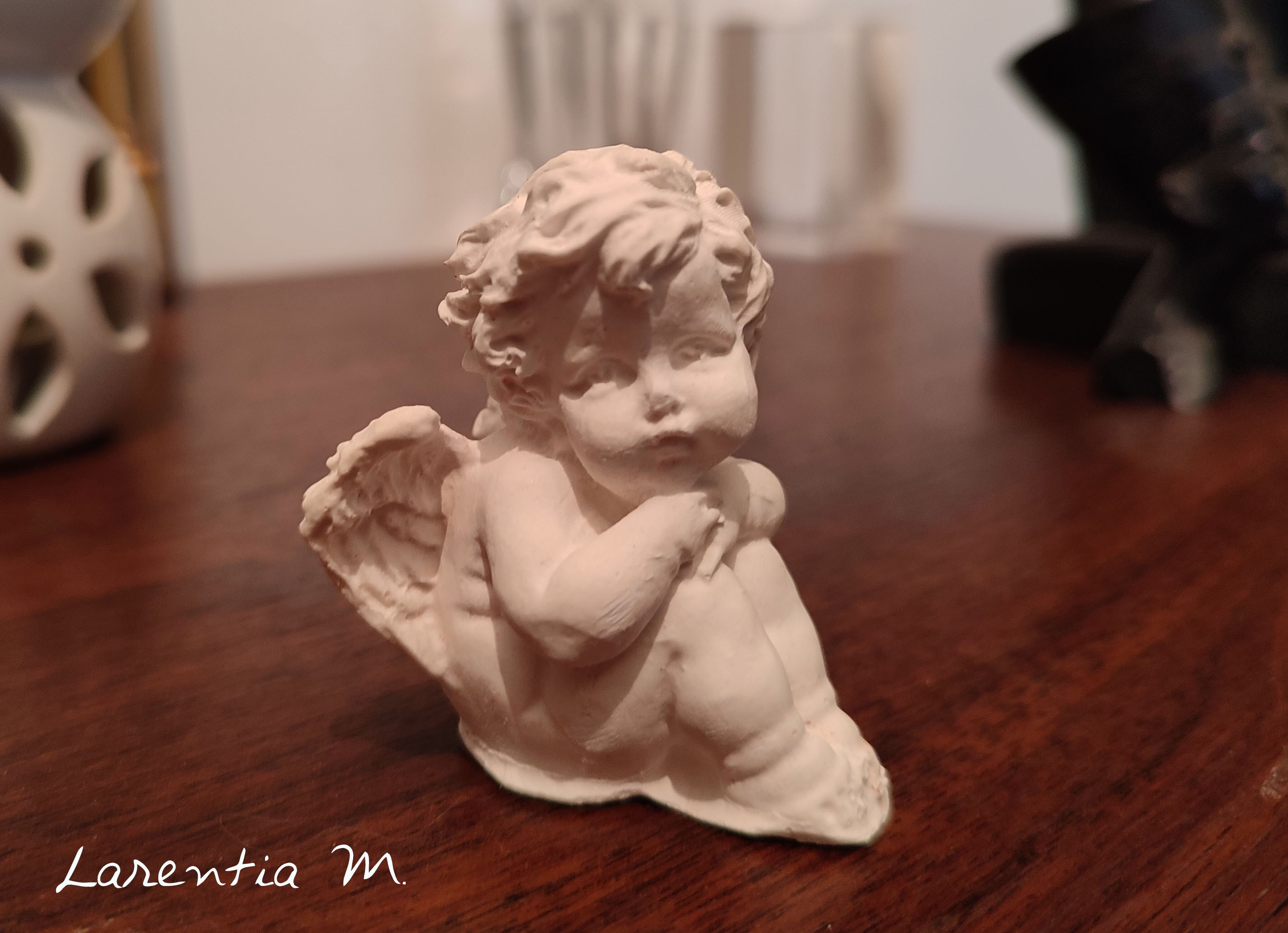 Angel Figurines: Between Celestial Tradition and Decorative ArtRead more
Angels, those beings of light who have populated our imaginations for millennia, are finding new expression in...
Blog categories
Search in blog
Handcrafted Earrings: A Journey Through Time and Cultures
Handcrafted Earrings: A Journey Through Time and Cultures
Earrings, far more than a simple accessory, are timeless adornments that tell a story. From ancient civilizations to contemporary fashion shows, they have traversed the ages, transforming, adapting, and symbolizing a multitude of cultural, social, and personal facets. If you are passionate about creating handcrafted jewelry, understanding the world of earrings is a fascinating step before embarking on the creation of your own unique pieces.
A Thread of Gold Through History: The Origin of Earrings
The history of earrings dates back thousands of years, long before our era. Their primary function was not always aesthetic.
Antiquity: The earliest traces of earrings date back to Mesopotamia and Ancient Egypt, more than 4,000 years ago. They were worn by both men and women, often as a symbol of social status, wealth, or tribal or religious affiliation. In Egypt, they were associated with royalty and divinity. The Assyrians and Babylonians wore them to symbolize their rank.
Ancient Greece and Rome: In ancient Greece, earrings were popular, often adorned with pearls or precious stones. The Romans, on the other hand, used them to display their wealth, favoring gold and gems.
Middle Ages: Their popularity fluctuated. In Europe, they were less common for a time, often concealed by hairstyles and ruffs. However, they continued to be prominent in other cultures.
Renaissance and Later Periods: The Renaissance saw a resurgence of interest in earrings in Europe, which became refined and elaborate accessories, adorned with pearls, diamonds, and enamels. Styles have evolved alongside fashion, from Baroque to Rococo, and then to the cleaner lines of Neoclassicism.
A World Tour of Styles: Different Types of Earrings by Country
Earrings are a wonderful reflection of cultural diversity. Each region of the world has developed its own styles, techniques, and symbolism.
India: Indian earrings are often large, opulent, and richly decorated. The "Jhumka" is an iconic example: these are bell-shaped earrings, often adorned with beads and small charms that jingle. They are an essential element of traditional bridal and dancers' attire. Floral motifs and religious symbols are very common.
Africa: In Africa, earrings vary enormously from one ethnic group to another. You'll find massive hoop earrings in brass or silver, earrings adorned with colorful beads (like those worn by the Maasai), shells, wood, or even bone. They can indicate marital status, age, or tribal affiliation. Fulani jewelry, for example, features elegant, asymmetrical hoop earrings in gold or brass.
Middle East and North Africa: Earrings from these regions are often made of filigree silver, crafted with great finesse, sometimes inlaid with semi-precious stones like turquoise or coral. The designs are often geometric or floral, reflecting Islamic art.
Latin America: Pre-Columbian influence is evident in some creations, with the use of jade, feathers, or shells. Spanish colonial earrings are often large, dangling, with motifs inspired by nature or religious themes. In Mexico, silver earrings are renowned for their delicate craftsmanship.
Asia (excluding India): In China and Japan, earrings tend to be more understated, often crafted from gold or jade, and featuring symbolic motifs such as dragons or phoenixes. Southeast Asia boasts highly elaborate designs in silver or bronze, frequently adorned with animal or mythological motifs.
The Art of Creation: How to Make Your Own Handmade Earrings?
Making earrings is an accessible and creative activity that allows you to express your personal style. Whether you're a beginner or an experienced crafter, the process is rewarding.
Types of Earrings to Make:
Before you begin, familiarize yourself with the main types of earrings you can create:
Studs: The simplest, with a decorative element attached to a post that goes through the earlobe and is held in place by a clasp (butterfly or push-back).
Dangle earrings: These hang below the earlobe, offering great freedom in design and length.
Hoop earrings: Shaped like rings, they can be simple or adorned with beads and charms.
Loop earrings: A variation of drop earrings, with a hinged clasp that closes over itself for added security.
Hooks (or "Fish Hooks"): A very common type of earring finding for dangle earrings, simple to use.
Clips: For unpierced ears, these attach with pressure.
Essential Steps in Making Earrings:
Earring making generally follows a few key steps:
Design: Sketch your idea. Consider the size, shape, colors, materials, and type of finding (hook, stud, sleeper, etc.).
Gathering Materials and Tools: Prepare everything you need before you begin.
Preparing the Elements: If you are using beads, charms, or pendants, make sure they are ready to be mounted. For beads, this may involve threading them onto eyelets or headpins.
Assembly: Assemble the different parts of your earring using pliers. This is where you will connect the beads to the jump rings, the jump rings to the findings, and so on.
Finishing: Ensure all findings are securely closed. Clean your creations if necessary.
Essential Materials for Earring Making
The choice of materials is endless and will depend on your style, budget, and the technique you wish to use.
Findings:
Ear hooks (sleeve hooks, studs, hoops): These form the base that allows the earring to be worn. Choose them according to the size and weight of your creation.
Ear clips: For those without pierced ears.
Metals:
Stainless steel: Very affordable, durable, and hypoallergenic. Ideal for beginners.
Brass: A copper-zinc alloy, economical and easy to work with. May oxidize over time, but cleans well.
925 silver (sterling silver): Popular, elegant, and relatively easy to work with. Requires regular maintenance to prevent oxidation.
Gold/silver plating: A thin layer of precious metal on a less expensive base. A good compromise between aesthetics and price, but can wear off.
Gold (9K, 14K, 18K): The ultimate in jewelry, durable, hypoallergenic, but expensive.
Decorative Elements:
Beads: An endless array of choices!
Glass beads: Czech (fascinating, seed beads), Murano glass, etc.
Gemstone beads: Amethyst, rose quartz, lapis lazuli, onyx, etc. Each stone has its own symbolism.
Wooden beads: Lightweight and natural.
Ceramic, polymer clay (Fimo), mother-of-pearl, and shell beads.
Cultured or freshwater pearls: Classic elegance.
Charms and pendants: Various shapes in metal, resin, enamel, etc. They add a thematic touch to your earrings.
Cabochons: Flat stones to glue onto a base.
Findings: Small metal components essential for assembling jewelry.
Ring jump rings: For connecting components.
Eye rods and headpins: For threading beads and creating loops.
Bead caps and knot covers: For neat finishes.
Essential Tools:
Jewelry pliers:
Flat-nose pliers: For holding and bending wire.
Round-nose pliers: For forming loops and jump rings.
Cutting pliers: For cutting wire and headpins.
Jewelry glue: For cabochons or certain mountings.
Beading mat: To prevent beads from rolling.
Ruler or measuring tape: For measuring length.
Creating earrings is an exciting adventure, a dialogue between history, culture, and your own creativity. By mastering basic techniques and exploring the richness of materials, you can create pieces that not only beautify but also tell a story – your own. So, don't hesitate any longer, let your imagination run wild and start adorning the world, one earring at a time!
Related posts
-
 Creating unique jewelry: the art of concrete
Concrete, far from being reserved for construction, has entered the world of jewelry. Robustness, originality and raw...Read more
Creating unique jewelry: the art of concrete
Concrete, far from being reserved for construction, has entered the world of jewelry. Robustness, originality and raw...Read more -
Angel Figurines: Between Celestial Tradition and Decorative Art
Angels, those beings of light who have populated our imaginations for millennia, are finding new expression in...Read more
-
Dreamcatchers: History, Traditions and Handcrafted Creation
The dreamcatcher is much more than just a decorative object. This handcrafted creation, originating in Native...Read more
-
Crystal Beads: Millennial Treasures of Contemporary Craftsmanship
Crystal beads hold a special place in the world of handcrafted jewelry and home decor. These little marvels, the...Read more
-
Decorative Pumpkins: An Ancient Art That Brightens Our Interiors
The decorative pumpkin is much more than just a symbol of autumn. This humble gourd has traveled through centuries...Read more
Leave a comment