
When we think of "survivalism," we often picture a hermit hidden deep in the woods, clad in camouflage and chopping...
Latest posts
-
 Why prepare for a crisis in the city: the complete beginner's guideRead more
 -
 Emergency Food Stockpile: The 10 Essential Foods in a CrisisRead more
In a world where economic, geopolitical, and climate uncertainties regularly make headlines, the issue of food...
-
 Orgonite pyramids: between craftsmanship, energy and symbolismRead more
Jewelry, decorative objects, energy generators... Orgonite pyramids fascinate as much as they raise questions. An...
-
 The Timeless Beauty of the Color PinkRead more
Pink. This unique color instantly evokes tenderness, femininity, and delicacy. In the world of handcrafted creations,...
-
 The Kombolois: The Ancestral Art of Mediterranean Bead StringsRead more
In the fascinating world of traditional handcrafted objects, komboloi hold a special place. These strings of beads,...
-
 Decorative Pumpkins: An Ancient Art That Brightens Our InteriorsRead more
The decorative pumpkin is much more than just a symbol of autumn. This humble gourd has traveled through centuries...
-
 The essential materials for getting started in scrapbooking: your creative starter kitRead more
Scrapbooking, the art of creative layout that showcases photos and memories in personalized albums, is attracting a...
-
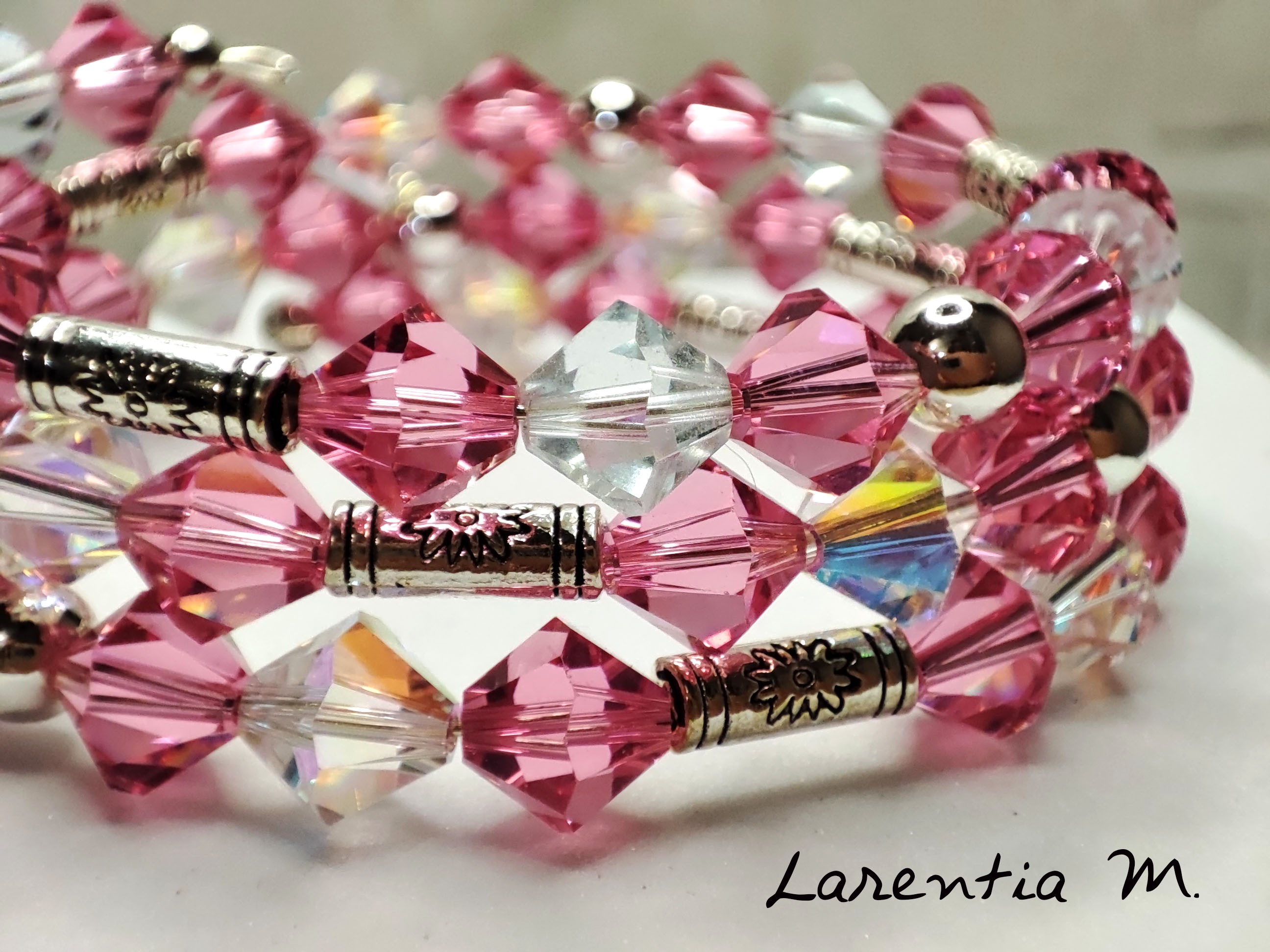 Crystal Beads: Millennial Treasures of Contemporary CraftsmanshipRead more
Crystal beads hold a special place in the world of handcrafted jewelry and home decor. These little marvels, the...
-
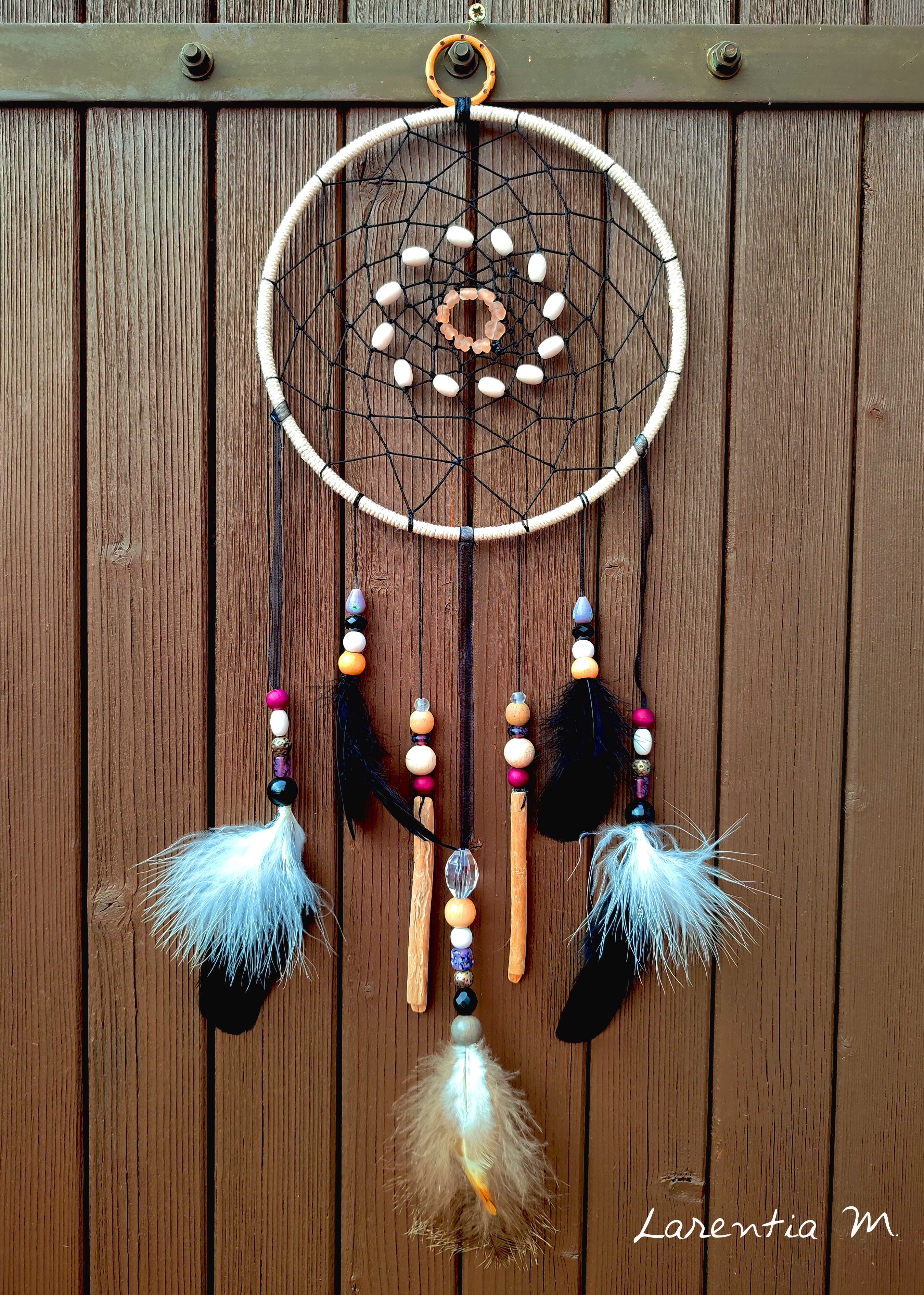 Dreamcatchers: History, Traditions and Handcrafted CreationRead more
The dreamcatcher is much more than just a decorative object. This handcrafted creation, originating in Native...
-
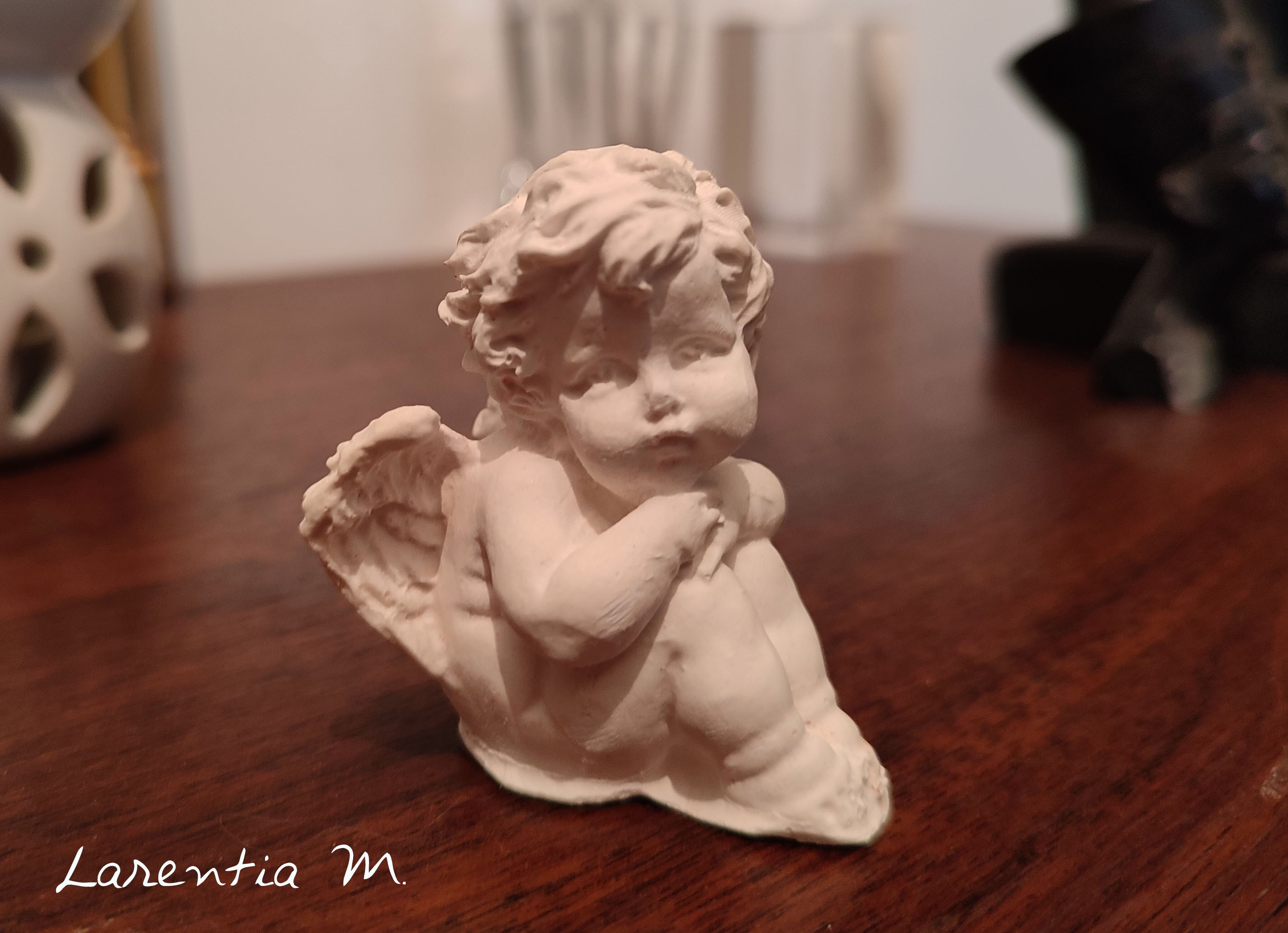 Angel Figurines: Between Celestial Tradition and Decorative ArtRead more
Angels, those beings of light who have populated our imaginations for millennia, are finding new expression in...
Blog categories
Search in blog
Crystal Beads: Millennial Treasures of Contemporary Craftsmanship
Crystal Beads: Millennial Treasures of Contemporary Craftsmanship
Crystal beads hold a special place in the world of handcrafted jewelry and home decor. These little marvels, the result of ancestral know-how and modern technical innovations, continue to fascinate designers and decorative art enthusiasts alike. Let's explore together the rich history, astonishing diversity, and many applications of these crystalline jewels.
A Millennial History
The history of crystal beads dates back to antiquity, when the earliest civilizations had already mastered the art of working with glass and crystal. As early as 3000 BC, the Egyptians crafted colored glass beads to adorn their funerary jewelry and sacred amulets. These creations demonstrated not only remarkable technical expertise but also a profound understanding of the aesthetic properties of crystal.
The technique has been perfected over the centuries, notably in Venice where, as early as the 13th century, the Murano glassmakers developed revolutionary manufacturing methods. Their beads, renowned throughout Europe, established the quality standards that still influence artisanal production today.
The industrialization of the 19th century, particularly in Bohemia (present-day Czech Republic), democratized access to crystal beads. The Bohemian region remains synonymous with excellence in this field, with manufacturers like Preciosa perpetuating this centuries-old tradition.
Origins and Manufacturing Methods
Crystal beads are created by transforming silica sand, mixed with metallic oxides to obtain different colors and effects. The traditional process involves melting these materials at high temperatures, followed by meticulous shaping.
Two main techniques dominate the manufacturing process: molding and hot shaping. Molding allows for the mass production of beads in standardized shapes, while hot shaping, a more artisanal technique, offers greater creative freedom but requires considerable expertise.
The quality of crystal depends largely on its lead content. High-quality crystal typically contains between 24% and 32% lead oxide, which gives it its characteristic brilliance and its ability to refract light dramatically.
Sizes and Classifications
Crystal beads come in an impressive range of sizes, usually measured in millimeters. The smallest, called seed beads, measure between 1.5 and 3 mm and are perfect for delicate embroidery and intricate weaving. Medium beads, from 4 to 8 mm, are the standard size for jewelry making, offering an ideal balance between visual impact and workability.
Large beads, from 10 to 20 mm or more, become true decorative elements in their own right. They are particularly prized for creating statement pieces or striking decorative objects.
Shape is another fundamental classification criterion. Round beads remain the most versatile, but designers also appreciate bicone, oval, teardrop, cubic, or novelty shapes, which bring dynamism and originality to creations.
Types of Crystal Beads
Lead Crystal Beads
These beads represent the pinnacle of quality. Their high lead content gives them exceptional brilliance and remarkable refractive power. They are particularly prized for prestige jewelry and high-end decorative pieces.
Crystal Glass Beads
More accessible, these beads nevertheless offer appreciable quality. They are an excellent compromise for beginner designers or for projects requiring large quantities.
Faceted Beads
Faceting multiplies the reflective surfaces, creating particularly striking plays of light. These beads are essential for creations that aim to be luminous and dynamic.
Special Effect Beads
Technological innovation has enabled the development of beads with sophisticated visual effects: AB (Aurora Borealis) for iridescent reflections, a matte finish for understated elegance, or metallic finishes for a contemporary look.
Diversity of Crystals Used
Rock Crystal
Natural rock crystal, the pure form of quartz, inspires many synthetic reproductions. Its perfect transparency and neutrality make it a versatile element, adaptable to all decorative styles.
Colored Crystals
The addition of metallic oxides allows for an infinite color palette. Cobalt produces deep blues, chromium vibrant greens, while colloidal gold generates sumptuous ruby reds.
Specialized Synthetic Crystals
Scientific advances have enabled the creation of Crystals with exceptional optical properties, such as those that replicate the effect of natural gemstones: diamond, sapphire, emerald.
Contemporary Creative Applications
Handcrafted Jewelry
Crystal beads remain an integral part of jewelry design. They allow for the creation of pieces that blend tradition and modernity, from classic adornments to avant-garde creations. Their strength and durability make them materials of choice for jewelry designed to last.
Interior Design
The decorative use of crystal beads is experiencing a remarkable revival. They embellish light fixtures, beaded curtains, decorative objects, and even architectural elements. Their ability to play with light transforms any space into a magical environment.
Textile Art and Embroidery
Bead embroidery, an ancient art form brought back into fashion, makes extensive use of crystal beads. Haute couture dresses, fashion accessories, and textile artworks take advantage of their brilliance to create striking visual effects.
Artistic Creations
Many contemporary artists incorporate crystal beads into their works, exploring the possibilities these materials offer in terms of interplay with light, transparency, and color. Sculptures, installations, and mixed-media pieces benefit from their unique expressive potential.
Future Prospects
The future of crystal beads looks promising, driven by technological innovation and the growing enthusiasm for high-quality craftsmanship. New manufacturing techniques allow for even more sophisticated optical effects, while research into eco-responsible materials paves the way for more environmentally friendly crystals.
Contemporary crafts, in their quest for authenticity and expertise, are rediscovering these noble materials. Crystal beads, with their millennia-old heritage and adaptability to current trends, will continue to inspire creators and artisans for generations to come.
These crystalline treasures, witnesses to an ancestral know-how perpetually renewed, remain essential elements of artisanal creation, capable of transforming raw material into pure luminous beauty.
Related posts
-
 Creating unique jewelry: the art of concrete
Concrete, far from being reserved for construction, has entered the world of jewelry. Robustness, originality and raw...Read more
Creating unique jewelry: the art of concrete
Concrete, far from being reserved for construction, has entered the world of jewelry. Robustness, originality and raw...Read more -
 Handcrafted Earrings: A Journey Through Time and Cultures
Earrings, far more than a simple accessory, are timeless adornments that tell a story. From ancient civilizations to...Read more
Handcrafted Earrings: A Journey Through Time and Cultures
Earrings, far more than a simple accessory, are timeless adornments that tell a story. From ancient civilizations to...Read more -
Angel Figurines: Between Celestial Tradition and Decorative Art
Angels, those beings of light who have populated our imaginations for millennia, are finding new expression in...Read more
-
Dreamcatchers: History, Traditions and Handcrafted Creation
The dreamcatcher is much more than just a decorative object. This handcrafted creation, originating in Native...Read more
-
Decorative Pumpkins: An Ancient Art That Brightens Our Interiors
The decorative pumpkin is much more than just a symbol of autumn. This humble gourd has traveled through centuries...Read more
Leave a comment