
When we think of "survivalism," we often picture a hermit hidden deep in the woods, clad in camouflage and chopping...
Latest posts
-
 Why prepare for a crisis in the city: the complete beginner's guideRead more
 -
 Emergency Food Stockpile: The 10 Essential Foods in a CrisisRead more
In a world where economic, geopolitical, and climate uncertainties regularly make headlines, the issue of food...
-
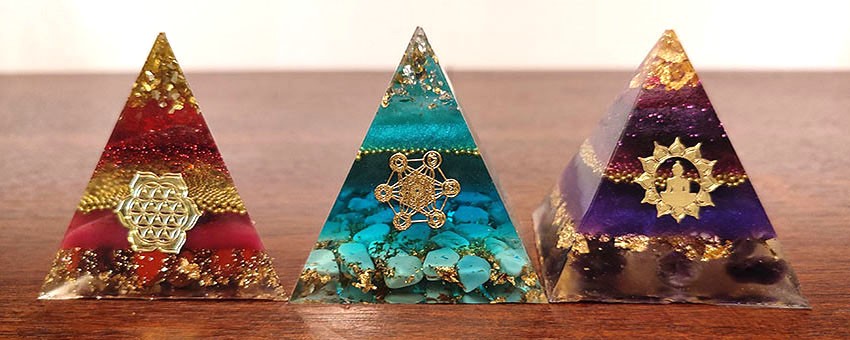 Orgonite pyramids: between craftsmanship, energy and symbolismRead more
Jewelry, decorative objects, energy generators... Orgonite pyramids fascinate as much as they raise questions. An...
-
 The Timeless Beauty of the Color PinkRead more
Pink. This unique color instantly evokes tenderness, femininity, and delicacy. In the world of handcrafted creations,...
-
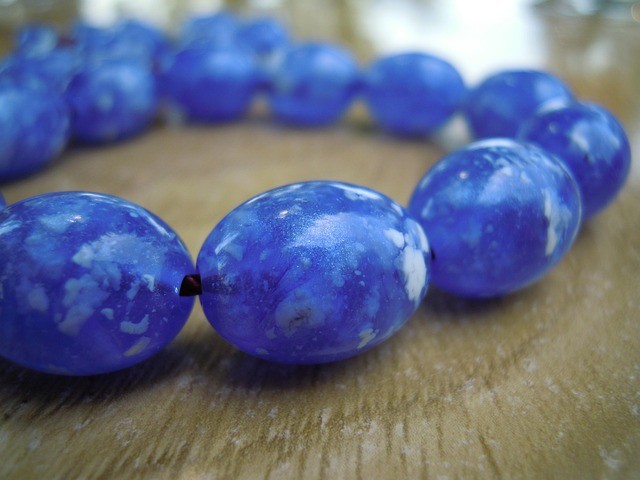 The Kombolois: The Ancestral Art of Mediterranean Bead StringsRead more
In the fascinating world of traditional handcrafted objects, komboloi hold a special place. These strings of beads,...
-
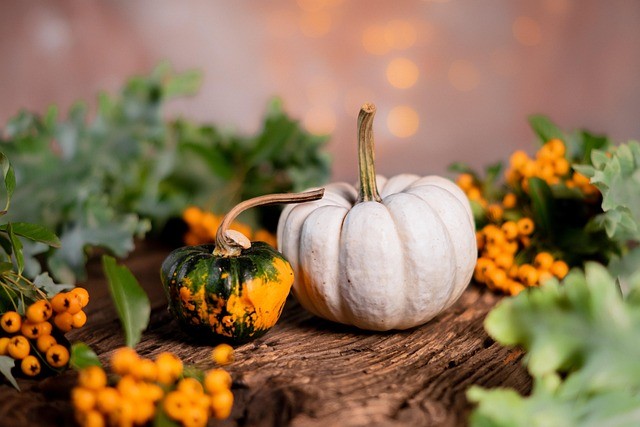 Decorative Pumpkins: An Ancient Art That Brightens Our InteriorsRead more
The decorative pumpkin is much more than just a symbol of autumn. This humble gourd has traveled through centuries...
-
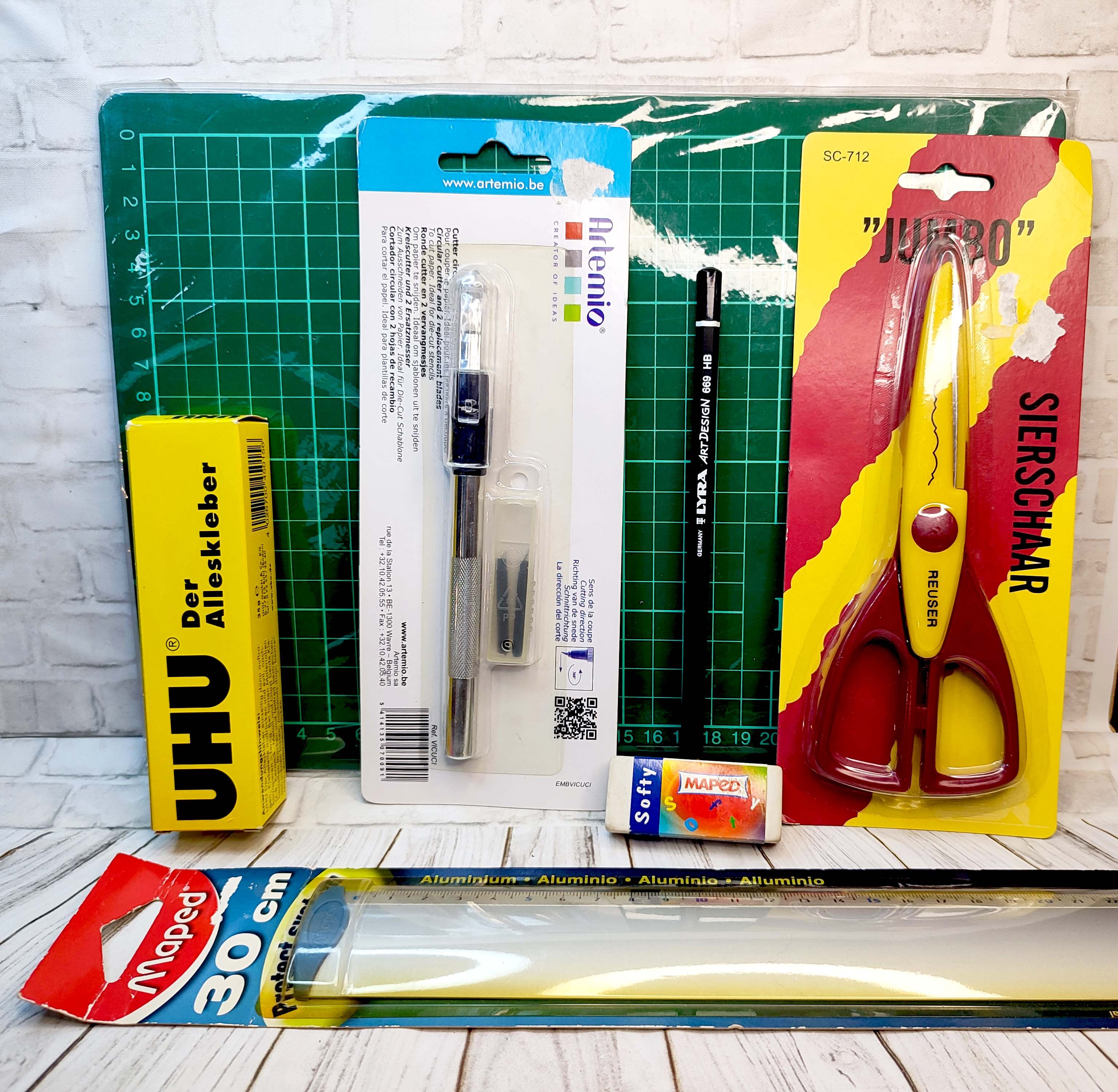 The essential materials for getting started in scrapbooking: your creative starter kitRead more
Scrapbooking, the art of creative layout that showcases photos and memories in personalized albums, is attracting a...
-
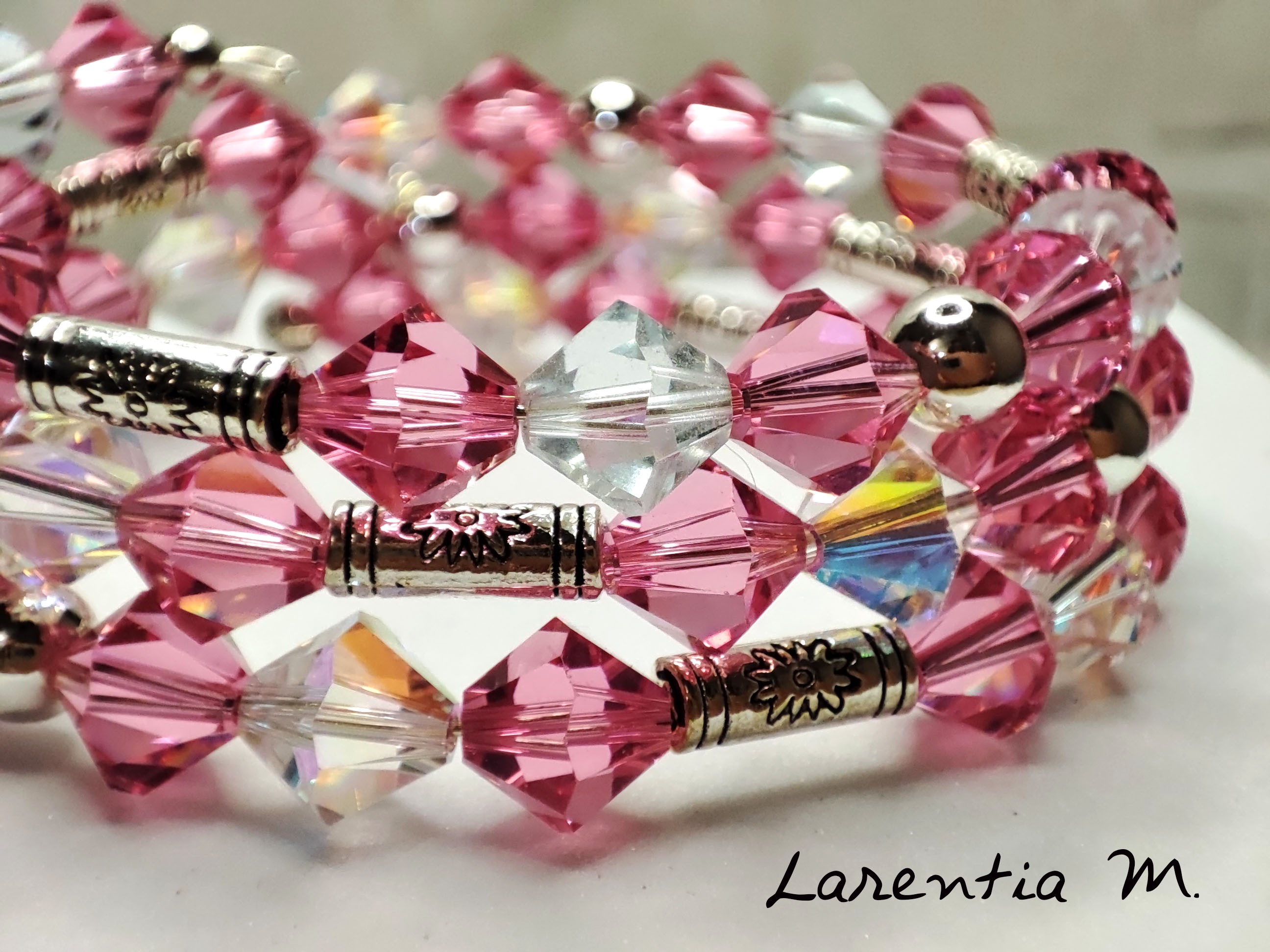 Crystal Beads: Millennial Treasures of Contemporary CraftsmanshipRead more
Crystal beads hold a special place in the world of handcrafted jewelry and home decor. These little marvels, the...
-
 Dreamcatchers: History, Traditions and Handcrafted CreationRead more
The dreamcatcher is much more than just a decorative object. This handcrafted creation, originating in Native...
-
 Angel Figurines: Between Celestial Tradition and Decorative ArtRead more
Angels, those beings of light who have populated our imaginations for millennia, are finding new expression in...
Blog categories
Search in blog
Angel Figurines: Between Celestial Tradition and Decorative Art
Angel Figurines: Between Celestial Tradition and Decorative Art
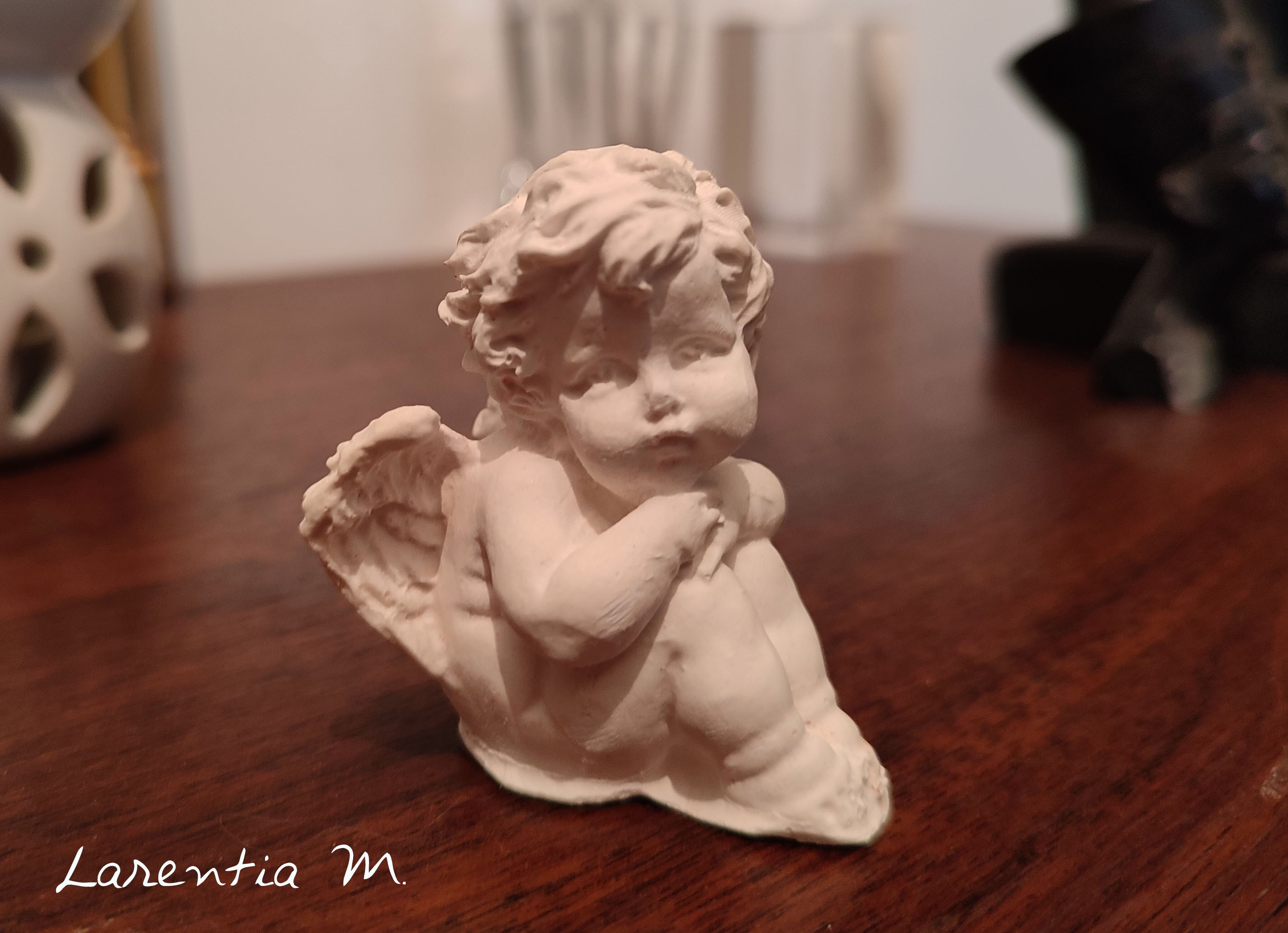
Angels, those beings of light who have populated our imaginations for millennia, are finding new expression in contemporary decorative art. Creating handcrafted angel figurines allows us to perpetuate an ancestral tradition while bringing a touch of serenity and spirituality to our interiors. Let's explore together the fascinating world of these celestial messengers and the techniques for reproducing them in ceramic powder.
The History and Origins of Angels
Angels have their origins in humanity's oldest religious traditions. The word "angel" derives from the Greek "angelos," meaning "messenger," thus revealing their primary function as links between the divine and the human. In the Jewish tradition, angels appear as early as Genesis, evolving from nature spirits into beings organized into complex hierarchies.
Christianity enriched this tradition, developing a sophisticated angelology that distinguishes different angelic orders. Medieval Christian art largely contributed to establishing the angelic iconography we know today: winged, haloed beings, dressed in white, embodying purity and divine peace.
Islam also recognizes angels (mala'ika), as do many other spiritual traditions around the world. This universality explains why angelic representations transcend cultural boundaries and continue to fascinate artists and craftspeople.
The Celestial Hierarchy
Christian tradition, particularly developed by the theologian Dionysius the Areopagite in the 6th century, organizes angels into three hierarchies, each containing three choirs:
First Hierarchy - The Counselors:
The Seraphim: the "burning ones," closest to God, often depicted with six wings
The Cherubim: guardians of divine wisdom, traditionally shown with four wings
The Thrones: symbols of divine justice, sometimes depicted as flaming wheels
Second Hierarchy - The Governors:
The Dominions: govern the universe and the lower angels
The Virtues: responsible for miracles and natural phenomena
The Powers: fight the forces of evil
Third Hierarchy - The Messengers:
The Principalities: protect nations and communities
The Archangels: the great messengers, leaders of the angels
The Angels: closest to humans, our guardians and guides Great Names of Angelology
Among the angels named in sacred texts, some hold a special place in decorative art:
Michael (Who is like God): the warrior archangel, often depicted slaying the dragon, a symbol of the victory of good over evil. His statuettes are particularly prized for their symbolic power.
Gabriel (Strength of God): the archangel of the Annunciation, the messenger par excellence, frequently depicted with a lily, a symbol of purity.
Raphael (God heals): the healing archangel, patron of travelers and physicians, often depicted with a pilgrim's staff.
Uriel (Fire of God): the archangel of divine justice, bearer of the flaming sword.
These figures offer a rich source of inspiration for statuette creators, each possessing its own specific iconographic attributes.
Making Angels from Ceramic Powder
Ceramic powder offers an ideal material for creating delicate and durable angel figurines. This technique, accessible to both beginners and experienced crafters, allows for highly refined results.
Materials Needed
To begin, you will need white or colored ceramic powder, a binder (usually diluted vinyl glue), water, silicone or plaster molds, and modeling tools. Modern ceramic powders offer excellent plasticity and a final finish similar to traditional porcelain.
Preparing the Paste
Gradually mix the ceramic powder with the diluted binder until you obtain a smooth paste that is neither too runny nor too thick. The ideal consistency is similar to that of soft modeling clay. Let it rest for a few minutes to allow for complete hydration.
Modeling Techniques
Molding: For precise shapes, use silicone molds representing angels. Gently press the clay into the mold, avoiding air bubbles. Unmold after it has begun to set, usually after 30 minutes.
Freehand Modeling: For a more creative approach, model directly by hand. Start by forming the body, then add the wings, arms, and facial details. Modeling tools can be used to refine expressions and drapery.
Finishing and Details: Once the basic shape is complete, work on the details: folds in the clothing, wing feathers, and facial features. Ceramic powder allows for very fine details. Use appropriate tools.
Tools: modeling tools, small brushes, and damp brushes for smoothing surfaces.
Drying and Firing
Drying is a crucial step. Allow the piece to dry slowly at room temperature, turning it over regularly. Drying too quickly can cause cracking. Depending on the size of the statuette, allow 24 to 48 hours.
Some ceramic powders do not require firing and simply harden as they dry. Others require firing in a home oven at a low temperature (generally 100-150°C) for optimal durability.
Decoration and Patina
Once the piece is dry, you can decorate it. Acrylic paints adhere perfectly to ceramic. For an aged effect, apply a patina based on burnt umber or sienna. Gilding adds a touch of elegance, particularly suited to angelic representations.
Art in the Service of Spirituality
Creating angel statuettes goes beyond a simple creative hobby. It is to perpetuate a thousand-year-old tradition that unites art and spirituality. Each piece carries within it the symbolic weight of these beings of light, messengers of hope and peace.
These handcrafted creations find their place in our contemporary interiors, bringing a spiritual and aesthetic dimension. Whether they adorn a shelf, stand on a mantelpiece, or grace a garden, the angel statuettes create spaces of serenity and contemplation.
The artisan who shapes these celestial figures thus participates in an unbroken chain of transmission, linking traditional sacred art to contemporary expressions of human creativity. In each sculpted angel is reflected our eternal aspiration toward beauty and the transcendent.
Related posts
-
 What are Chakras?
Meaning of the 7 Chakras: What are the 7 Chakras, what do they symbolize? Why do the chakras close or vibrate?...Read more
What are Chakras?
Meaning of the 7 Chakras: What are the 7 Chakras, what do they symbolize? Why do the chakras close or vibrate?...Read more -
 Lithotherapy: how does it work?
Lithotherapy: journey to the heart of stones and their energies Lithotherapy, an ancestral practice which is...Read more
Lithotherapy: how does it work?
Lithotherapy: journey to the heart of stones and their energies Lithotherapy, an ancestral practice which is...Read more -
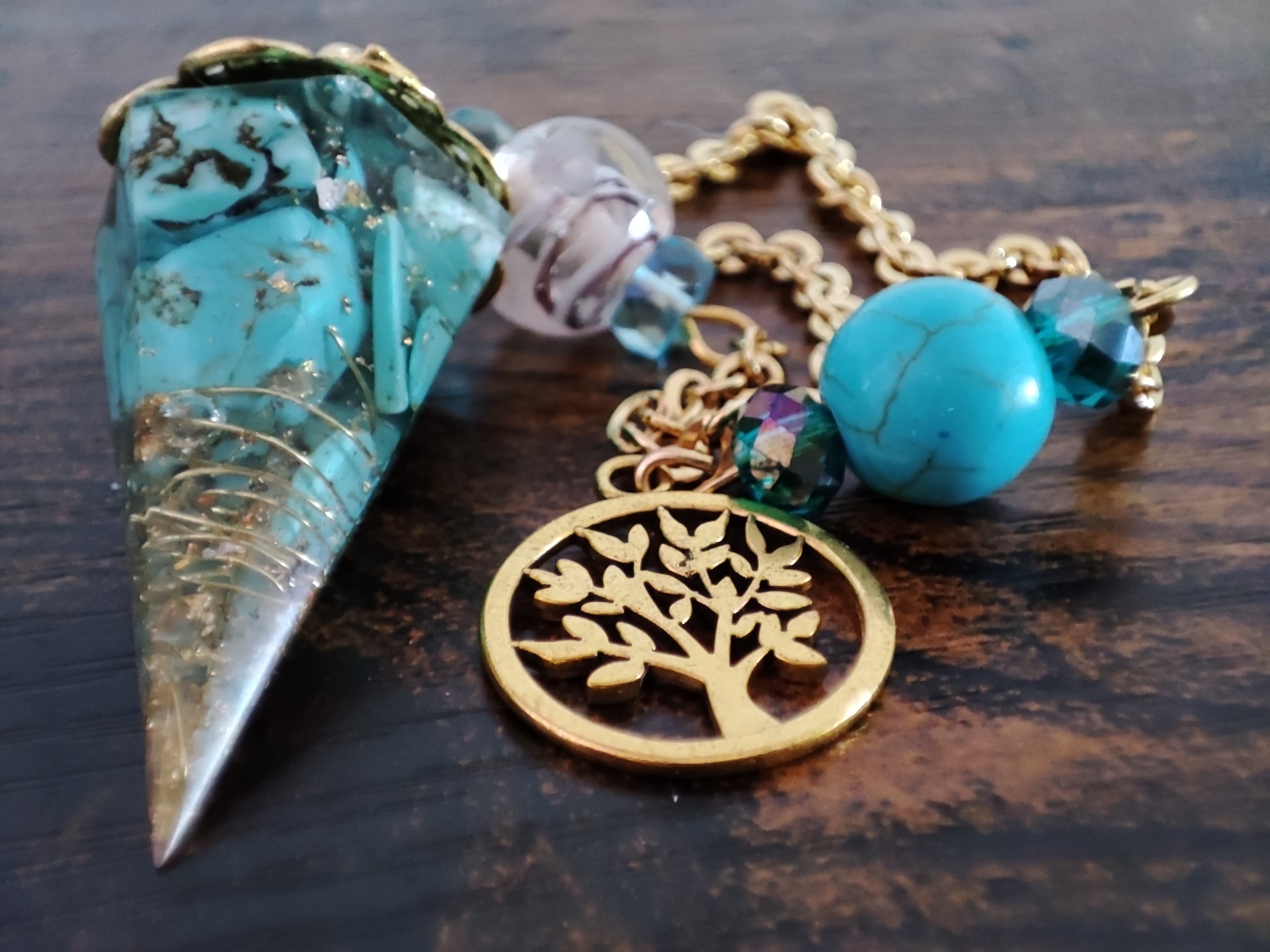 How to use a divining pendulum?
Pendulums are fascinating tools, which have been used for centuries for various divinatory and healing practices....Read more
How to use a divining pendulum?
Pendulums are fascinating tools, which have been used for centuries for various divinatory and healing practices....Read more -
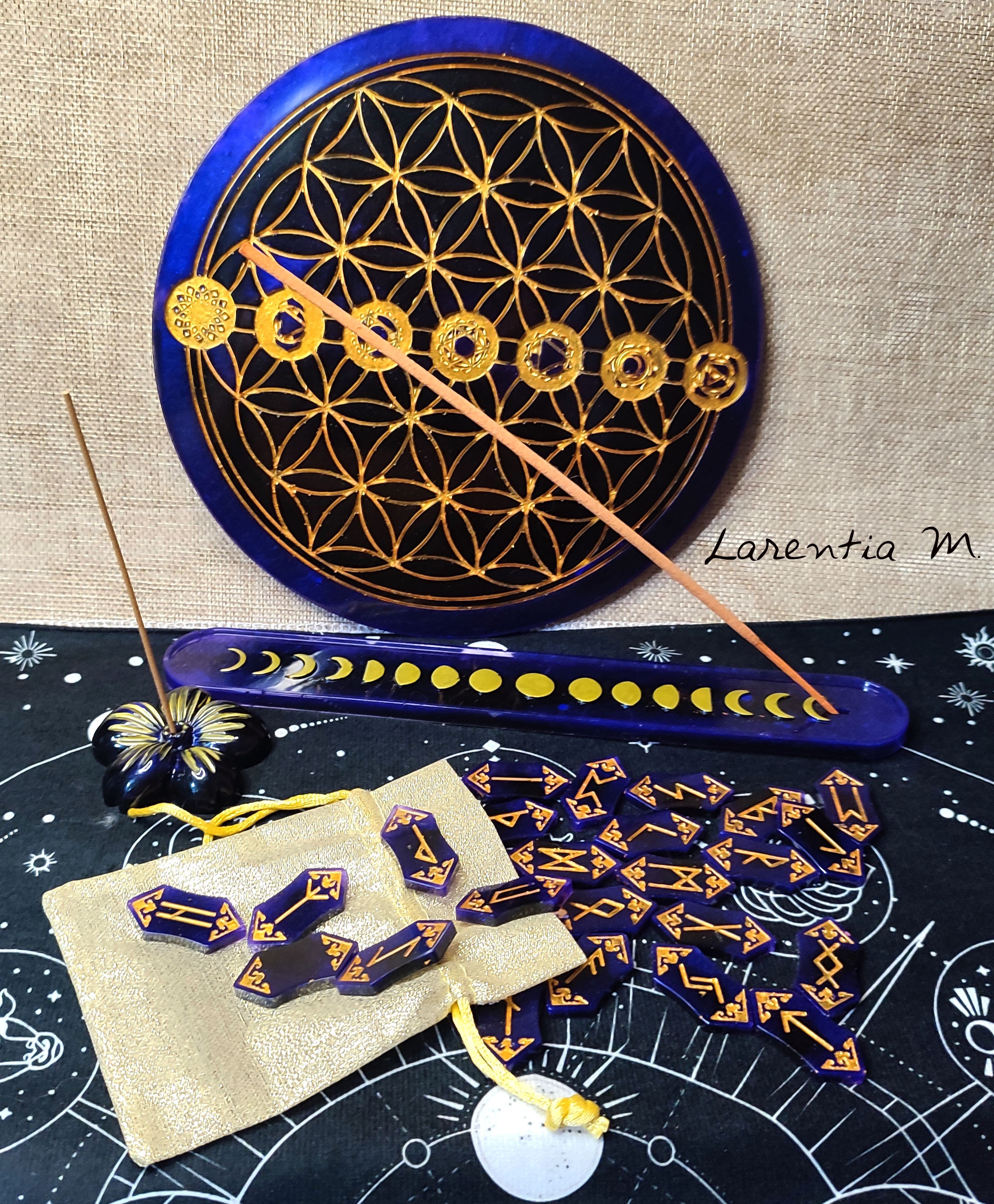 What is the flower of life? Spirituality objects and guidance on order!
The Flower of Life: A Universal and Eternal Symbol. My creations of objects linked to spirituality, to order:...Read more
What is the flower of life? Spirituality objects and guidance on order!
The Flower of Life: A Universal and Eternal Symbol. My creations of objects linked to spirituality, to order:...Read more -
 The symbolism of the color "Blue"
The color blue, omnipresent in our environment, possesses a rich symbolism that transcends ages and civilizations....Read more
The symbolism of the color "Blue"
The color blue, omnipresent in our environment, possesses a rich symbolism that transcends ages and civilizations....Read more
Leave a comment