
When we think of "survivalism," we often picture a hermit hidden deep in the woods, clad in camouflage and chopping...
Latest posts
-
 Why prepare for a crisis in the city: the complete beginner's guideRead more
 -
 Emergency Food Stockpile: The 10 Essential Foods in a CrisisRead more
In a world where economic, geopolitical, and climate uncertainties regularly make headlines, the issue of food...
-
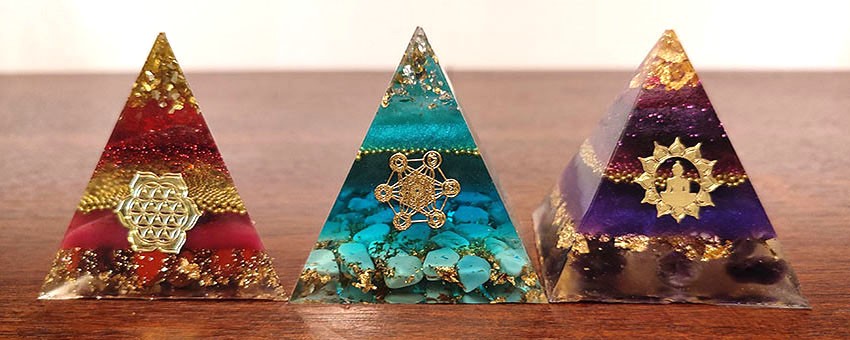 Orgonite pyramids: between craftsmanship, energy and symbolismRead more
Jewelry, decorative objects, energy generators... Orgonite pyramids fascinate as much as they raise questions. An...
-
 The Timeless Beauty of the Color PinkRead more
Pink. This unique color instantly evokes tenderness, femininity, and delicacy. In the world of handcrafted creations,...
-
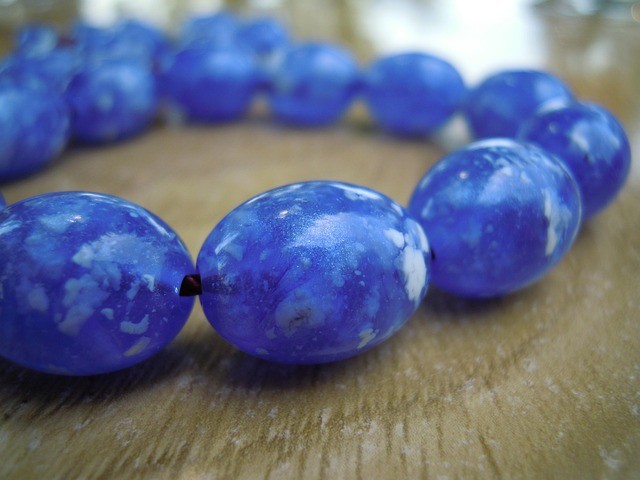 The Kombolois: The Ancestral Art of Mediterranean Bead StringsRead more
In the fascinating world of traditional handcrafted objects, komboloi hold a special place. These strings of beads,...
-
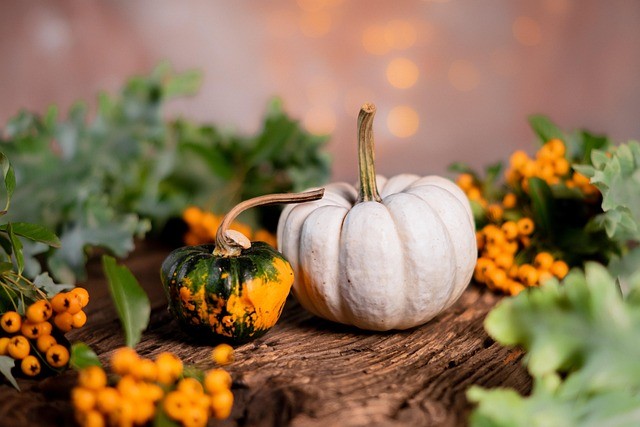 Decorative Pumpkins: An Ancient Art That Brightens Our InteriorsRead more
The decorative pumpkin is much more than just a symbol of autumn. This humble gourd has traveled through centuries...
-
 The essential materials for getting started in scrapbooking: your creative starter kitRead more
Scrapbooking, the art of creative layout that showcases photos and memories in personalized albums, is attracting a...
-
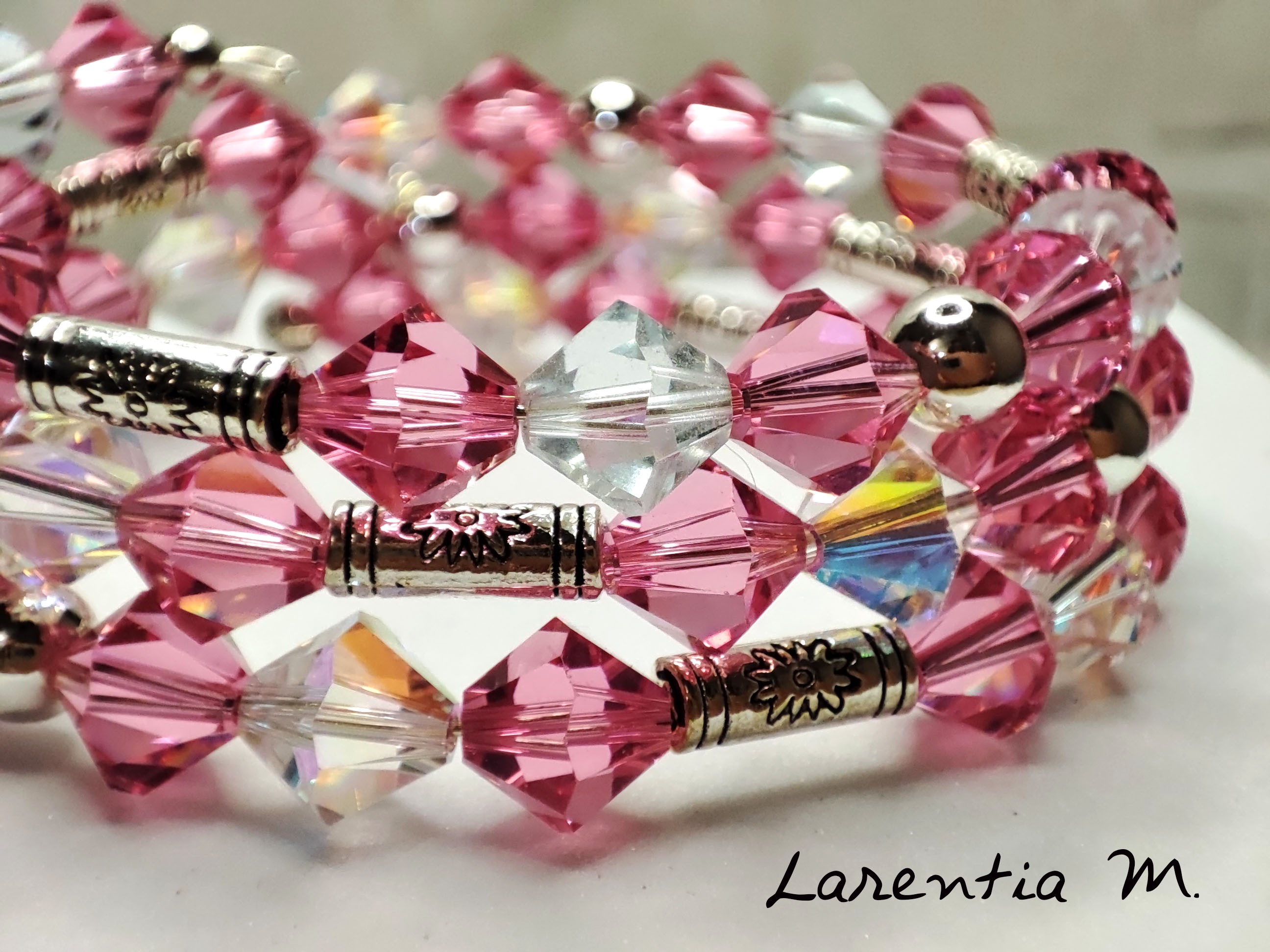 Crystal Beads: Millennial Treasures of Contemporary CraftsmanshipRead more
Crystal beads hold a special place in the world of handcrafted jewelry and home decor. These little marvels, the...
-
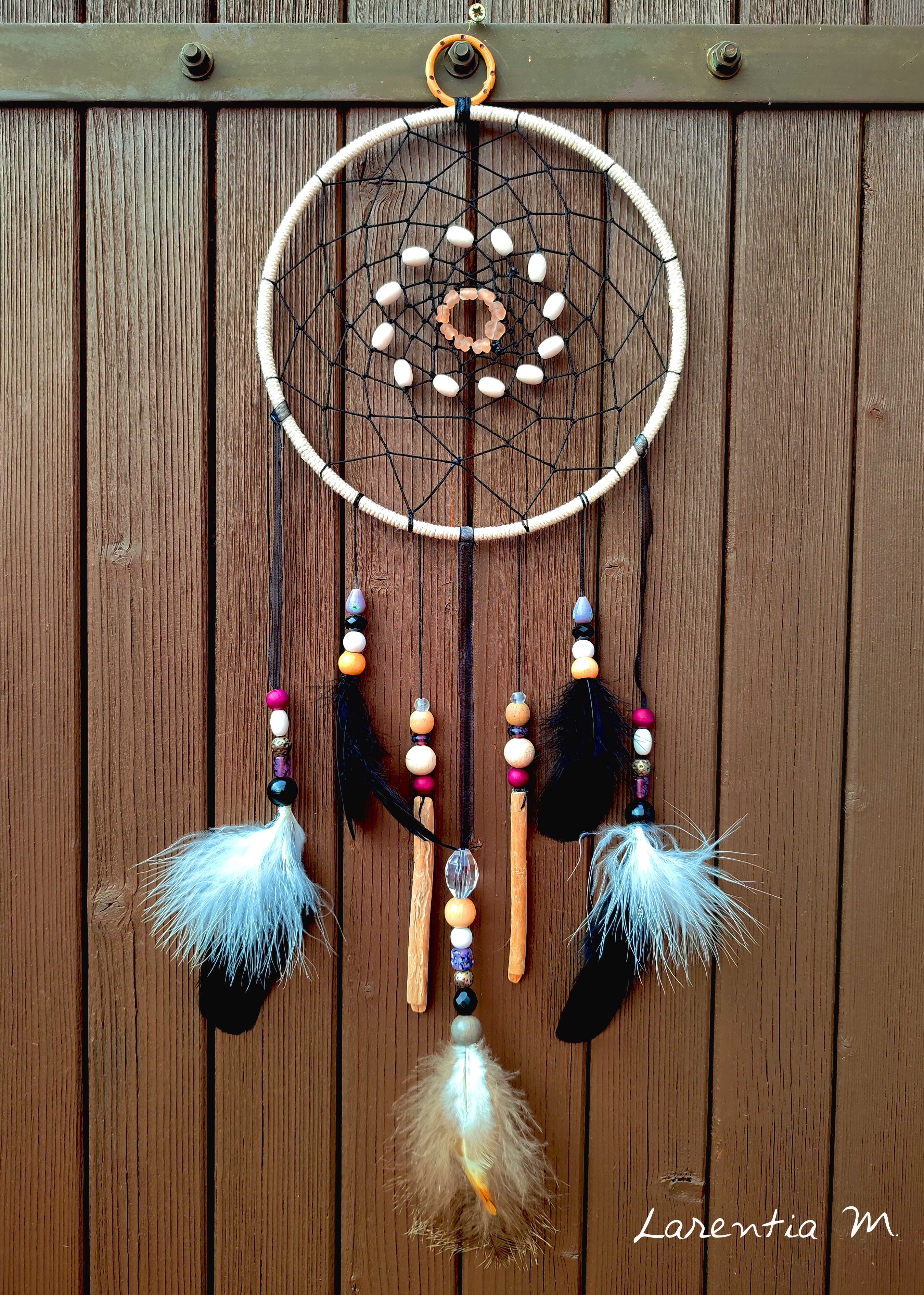 Dreamcatchers: History, Traditions and Handcrafted CreationRead more
The dreamcatcher is much more than just a decorative object. This handcrafted creation, originating in Native...
-
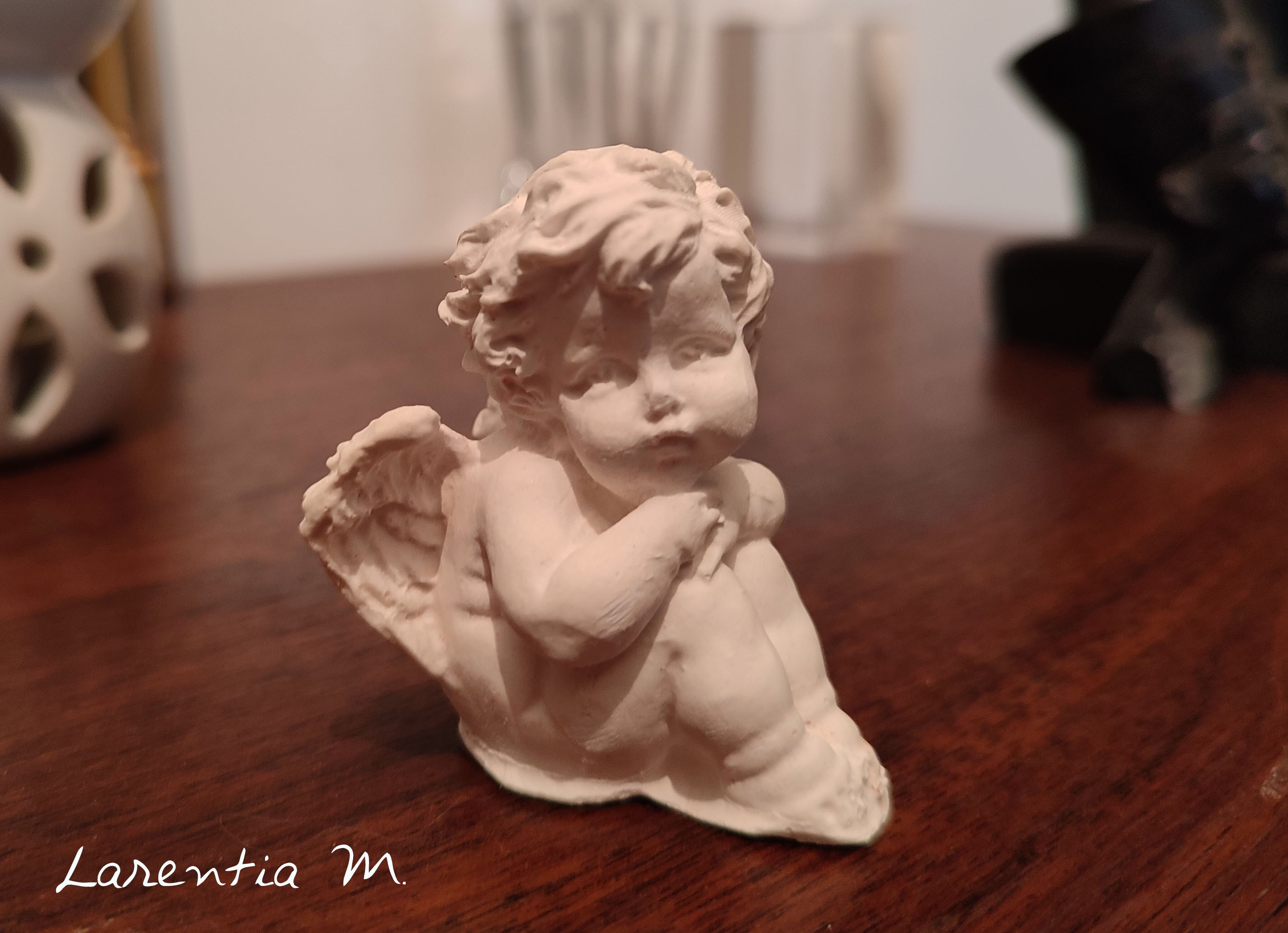 Angel Figurines: Between Celestial Tradition and Decorative ArtRead more
Angels, those beings of light who have populated our imaginations for millennia, are finding new expression in...
Blog categories
Search in blog
Easter: A Journey Through History and Traditions
Easter, a holiday steeped in mystery and joy, is celebrated around the world with diverse and colorful traditions. Beyond egg hunts and chocolate bunnies, Easter is a holiday rich in history and symbolism. Let's delve into the origins of this celebration, explore the traditions surrounding it, and discover creative ideas for decorating your home.
Origins and History of Easter
The origins of Easter are complex, blending religious and pagan influences. The term "Easter" comes from the Hebrew "Pesach," meaning "Passover." For Jews, Passover commemorates the liberation of the Hebrew people from slavery in Egypt, as recounted in the Old Testament.
For Christians, Easter celebrates the resurrection of Jesus Christ, which occurred three days after his crucifixion. This holiday is a cornerstone of the Christian faith, symbolizing hope and eternal life.
However, Easter traditions also incorporate pagan elements related to spring and fertility. Spring celebrations, marking nature's renewal after winter, were common in many ancient cultures.
The Origin of Easter Eggs: A Symbol of Life and Rebirth
The egg is a universal symbol of life and rebirth. In many ancient cultures, it was associated with spring and fertility. The Persians, Egyptians, and Romans decorated eggs to celebrate the return of spring.
In the ChRistian tradition, the egg became a symbol of the resurrection of Jesus Christ. Just as a chick hatches from an egg, Jesus rose from the tomb. In the Middle Ages, eggs were decorated and given as gifts.
The tradition of chocolate eggs is more recent. In the 19th century, chocolatiers had the idea of emptying eggs and filling them with chocolate, giving rise to a delicious tradition that continues today.
The Easter Bunny: A Symbol of Fertility and Prosperity
The rabbit is another symbol associated with Easter, particularly in Germanic and Anglo-Saxon countries. A prolific animal, the rabbit symbolizes fertility and prosperity.
The legend of the Easter Bunny tells of it bringing eggs to good children. This tradition may have pagan origins, as the rabbit was associated with the Germanic goddess of spring, Ostara.
Over time, the Easter Bunny has become a popular figure, bringing chocolate eggs and treats to children.
Easter Decorations: Creativity and Spring Colors
Easter is the perfect time to decorate your home with bright colors and spring symbols. Here are some decorating ideas:
Decorated Eggs: Paint, color, or decorate eggs with spring designs. You can use hard-boiled eggs, plastic eggs, or chocolate eggs.
Easter Garlands: Create garlands with bunnies, chicks, flowers, and eggs. Hang them on walls, windows, or the mantelpiece.
Centerpieces: Create centerpieces with spring flowers, candles, decorated eggs, and bunny figurines.
Easter Nests: Create nests with straw, feathers, and eggs. You can use them as centerpieces or wall decorations.
Origami Bunnies: Fold origami bunnies from colored paper. You can use them as table decorations or place cards.
Egg Hunt: Organize an egg hunt in your garden or house. Hide chocolate eggs or decorated eggs and let the children search for them.
Easter Wreath: Create a wreath with branches, flowers, eggs, and ribbons. Hang it on your front door to welcome your guests.
Easter treats: Bake cakes, cookies, and chocolates shaped like bunnies, chicks, and eggs. Decorate them with colored icing and candies.
Flower bouquets: Create bouquets with tulips, daffodils, hyacinths, and other spring flowers. Place them in colorful vases to brighten up your home.
Easter is a holiday rich in traditions and symbolism, celebrating life, rebirth, and hope. Whether you're drawn to its history, traditions, or decorations, Easter is an opportunity to share joyful and convivial moments with loved ones.
Posted in:
Les fêtes - occasions spéciales
Related posts
-
 Valentine's Day: between tradition and modernity
Valentine's Day, the lovers' holiday celebrated every year on February 14th, inspires as much enthusiasm as...Read more
Valentine's Day: between tradition and modernity
Valentine's Day, the lovers' holiday celebrated every year on February 14th, inspires as much enthusiasm as...Read more -
 Carnival: Origins
Carnival is a vibrant and colorful festival, rich in traditions and symbols. Present in many cultures around the...Read more
Carnival: Origins
Carnival is a vibrant and colorful festival, rich in traditions and symbols. Present in many cultures around the...Read more -
Decorative Pumpkins: An Ancient Art That Brightens Our Interiors
The decorative pumpkin is much more than just a symbol of autumn. This humble gourd has traveled through centuries...Read more
Leave a comment