
When we think of "survivalism," we often picture a hermit hidden deep in the woods, clad in camouflage and chopping...
Latest posts
-
 Why prepare for a crisis in the city: the complete beginner's guideRead more
 -
 Emergency Food Stockpile: The 10 Essential Foods in a CrisisRead more
In a world where economic, geopolitical, and climate uncertainties regularly make headlines, the issue of food...
-
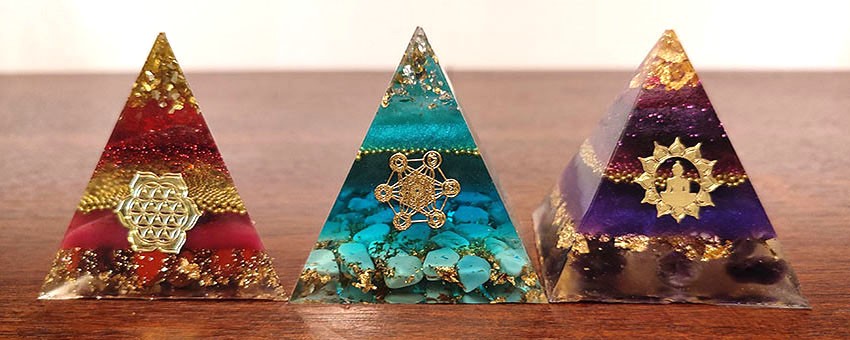 Orgonite pyramids: between craftsmanship, energy and symbolismRead more
Jewelry, decorative objects, energy generators... Orgonite pyramids fascinate as much as they raise questions. An...
-
 The Timeless Beauty of the Color PinkRead more
Pink. This unique color instantly evokes tenderness, femininity, and delicacy. In the world of handcrafted creations,...
-
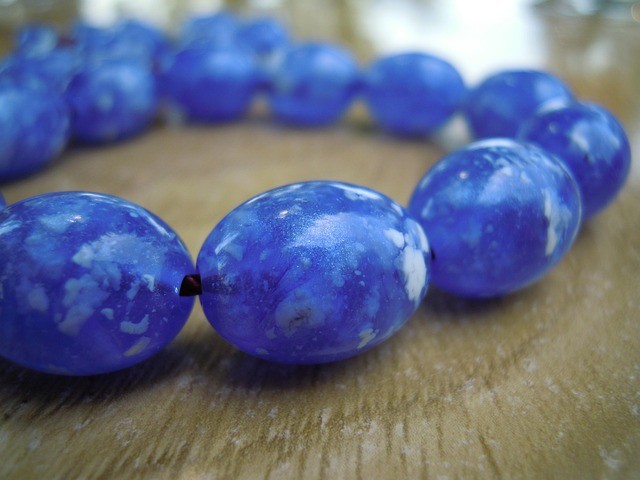 The Kombolois: The Ancestral Art of Mediterranean Bead StringsRead more
In the fascinating world of traditional handcrafted objects, komboloi hold a special place. These strings of beads,...
-
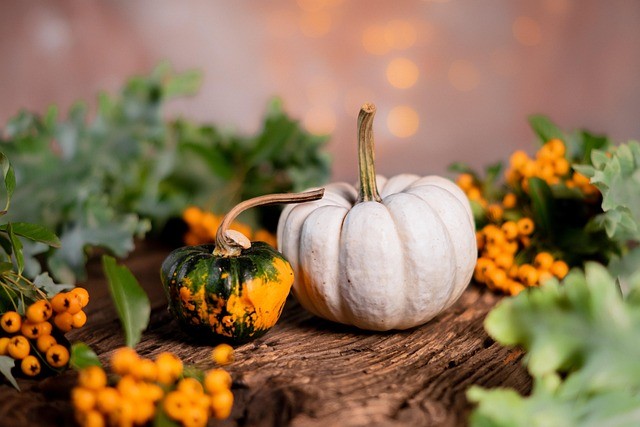 Decorative Pumpkins: An Ancient Art That Brightens Our InteriorsRead more
The decorative pumpkin is much more than just a symbol of autumn. This humble gourd has traveled through centuries...
-
 The essential materials for getting started in scrapbooking: your creative starter kitRead more
Scrapbooking, the art of creative layout that showcases photos and memories in personalized albums, is attracting a...
-
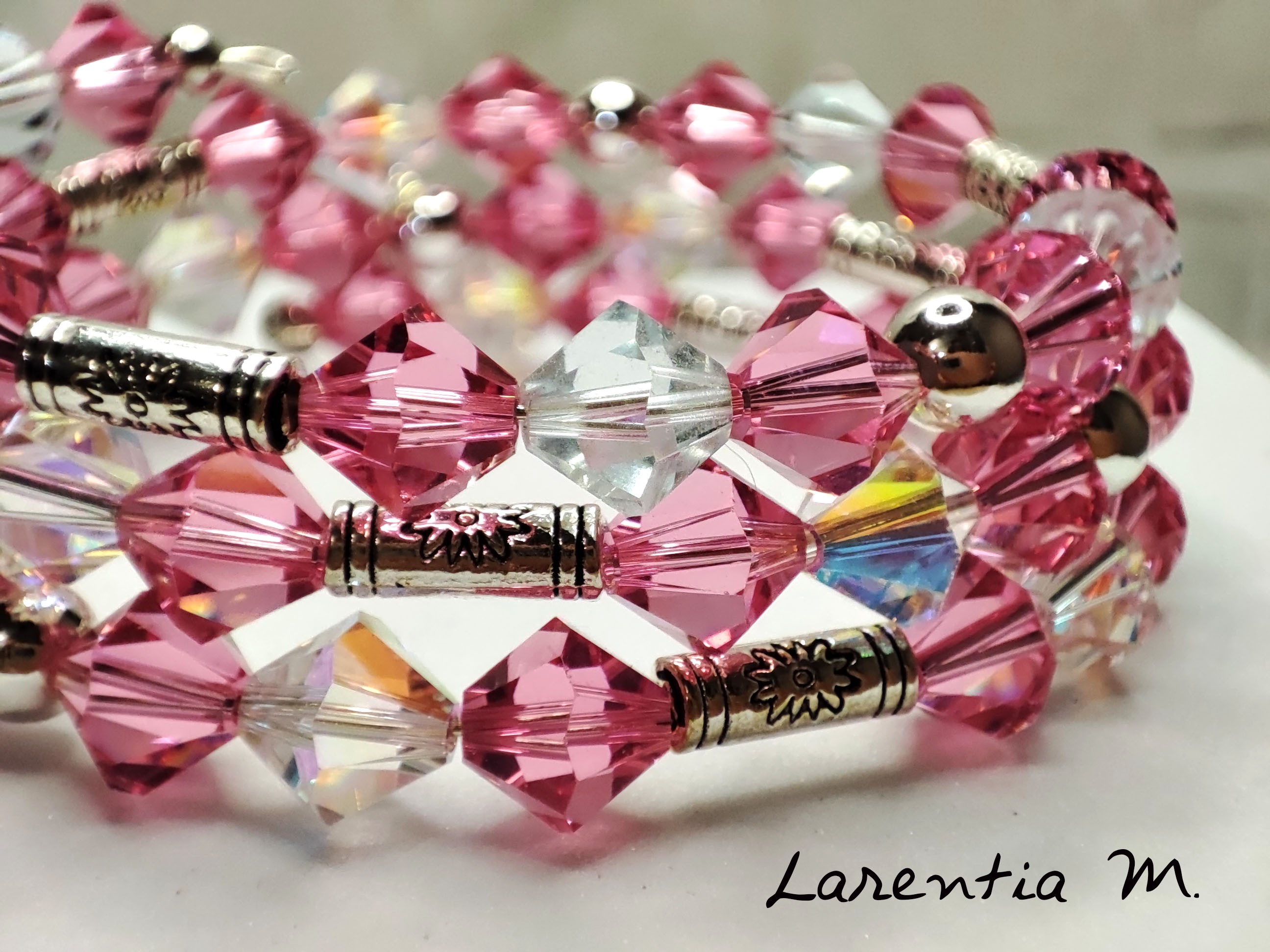 Crystal Beads: Millennial Treasures of Contemporary CraftsmanshipRead more
Crystal beads hold a special place in the world of handcrafted jewelry and home decor. These little marvels, the...
-
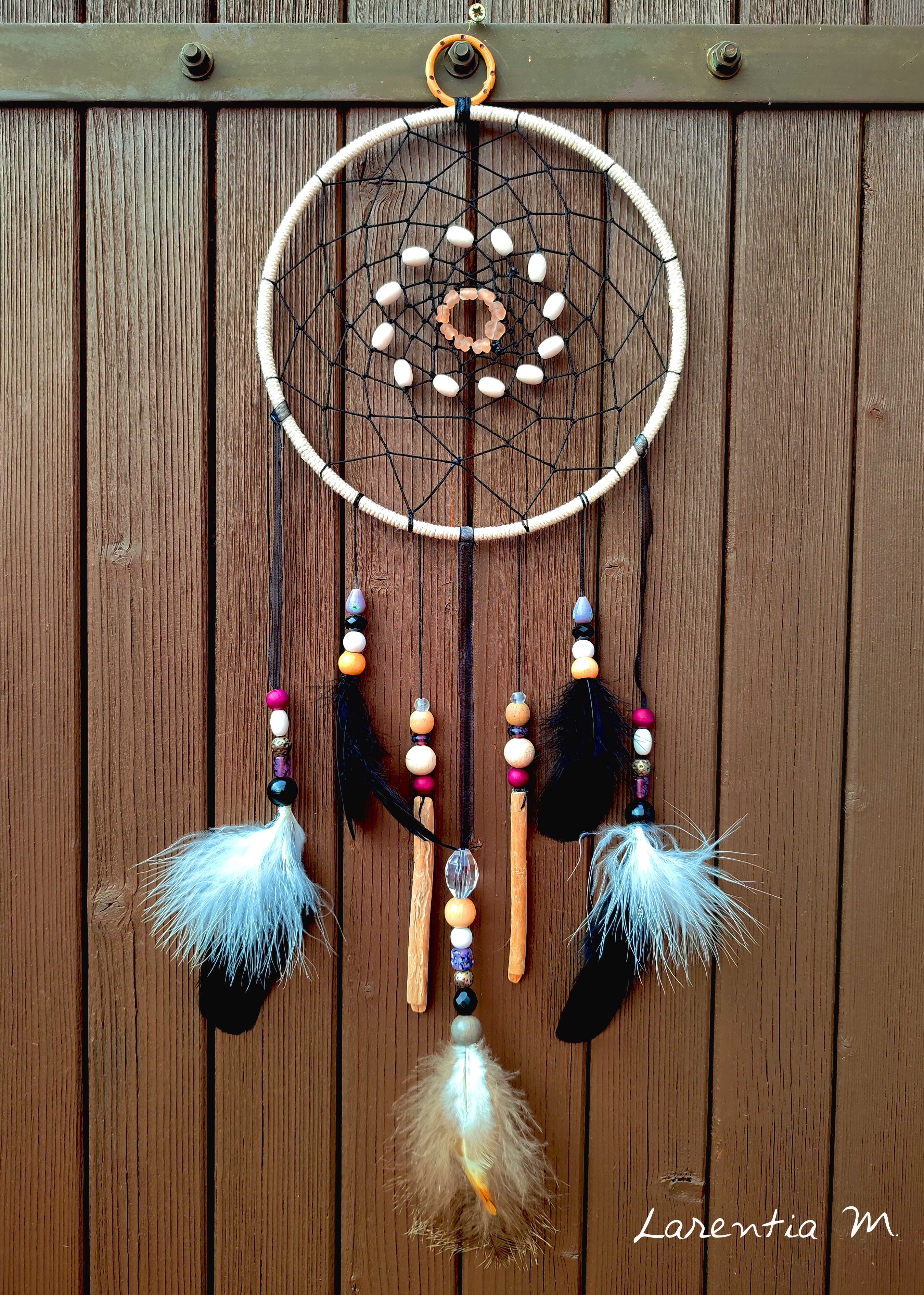 Dreamcatchers: History, Traditions and Handcrafted CreationRead more
The dreamcatcher is much more than just a decorative object. This handcrafted creation, originating in Native...
-
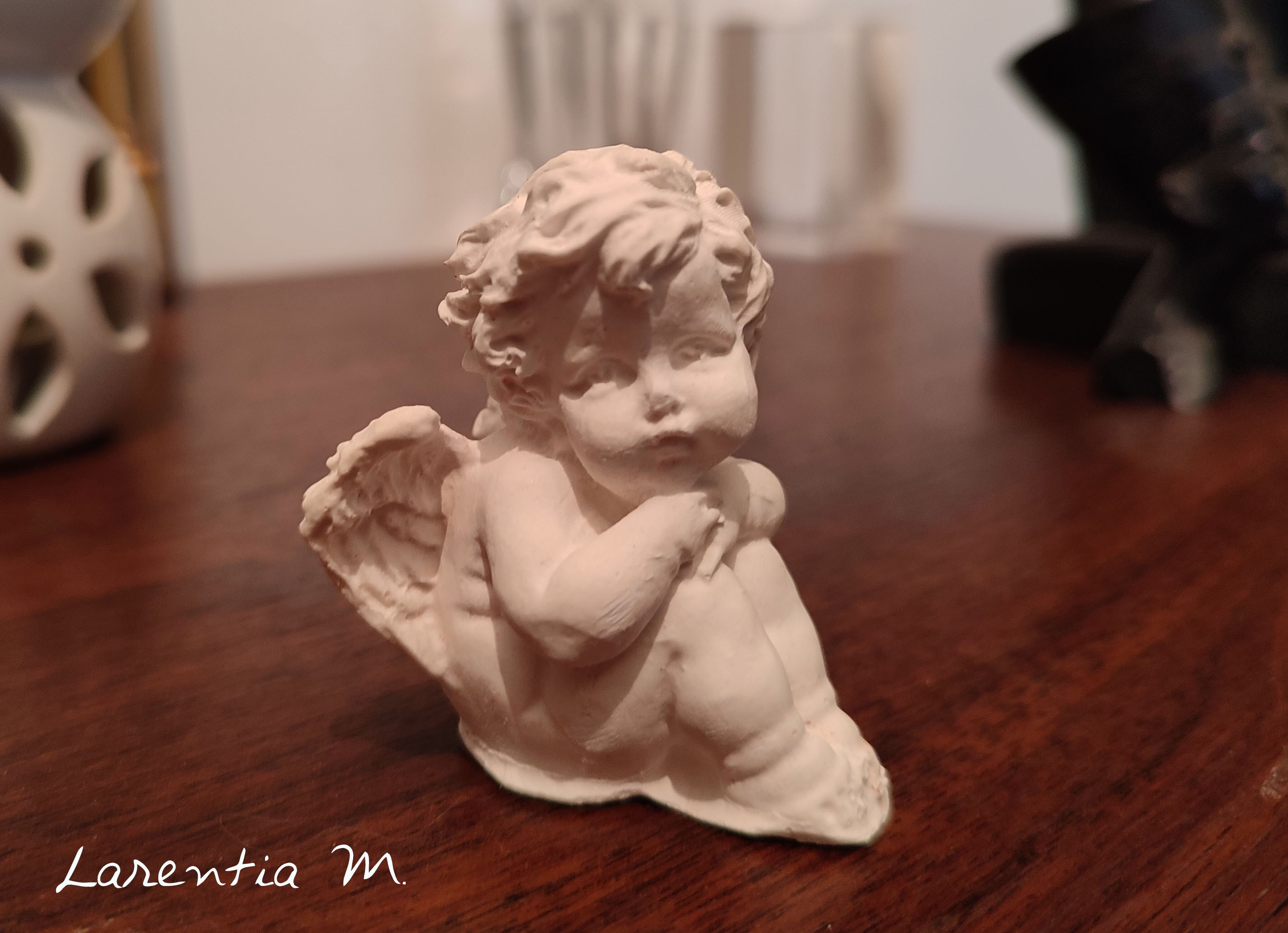 Angel Figurines: Between Celestial Tradition and Decorative ArtRead more
Angels, those beings of light who have populated our imaginations for millennia, are finding new expression in...
Blog categories
Search in blog
Carnival: Origins
Carnival is a vibrant and colorful festival, rich in traditions and symbols.
Present in many cultures around the world, it is celebrated in different ways depending on the country and the era. This article invites you to delve into the history of carnival, exploring its origins, its various manifestations worldwide, and the iconic costumes that accompany it.
Origins and History of Carnival
Carnival has its roots in pagan rites celebrating the changing seasons, particularly the end of winter and the arrival of spring. In ancient times, the Romans and Greeks organized festivities dedicated to agricultural deities such as Dionysus and Saturn, marked by banquets, parades, and a reversal of social roles. These celebrations allowed people to temporarily break free from social constraints.
With the advent of Christianity, these celebrations were integrated into religious traditions. Carnival thus became a time of revelry preceding Lent, a period of fasting and abstinence imposed by the Catholic Church. It was therefore an opportunity to feast, eat lavishly, and enjoy oneself before forty days of restrictions.
Carnivals Around the World
Carnival is celebrated in many countries today, each with its own unique characteristics and traditions.
Rio Carnival (Brazil)
The Rio Carnival is undoubtedly the most famous in the world. It attracts millions of visitors each year and showcases samba schools, which parade in the Sambadrome in spectacular costumes. This carnival is distinguished by its festive atmosphere, captivating rhythms, and impressive floats.
Rio Carnival
Venice Carnival (Italy)
The Venice Carnival is known for its elegance and refinement. Its origins date back to the Middle Ages, and it was once an opportunity for the inhabitants to wear masks in order to abolish social distinctions. Today, sumptuous Venetian costumes and intricately crafted masks are at the heart of the event, attracting visitors from all over the world.
Venice Carnival
Notting Hill Carnival (United Kingdom)
Born in the 1960s, Notting Hill Carnival celebrates Caribbean culture in London. Inspired by West Indian traditions, it is characterized by its colorful costume parades, Afro-Caribbean music, and festive atmosphere. It is now one of the largest street carnivals in Europe.
Notting Hill Carnival
Dunkirk Carnival (France)
Dunkirk Carnival is one of the most iconic in France. Its origins lie in the celebrations of fishermen who, before going to sea, organized grand festivities. It is distinguished by its parades (carnival-goers marching in tight formation), its traditional songs, and the famous herring toss by the mayor from the balcony of City Hall.
Mardi Gras in New Orleans (United States)
Inspired by European traditions, Mardi Gras in New Orleans is a must-see event in Louisiana. Krewes (organizing groups) parade with lavish floats, throwing beaded necklaces to spectators. This carnival is an explosion of music, color, and festivities marked by French Creole influence.
New Orleans Carnival
Classic Carnival Costumes
Costumes play a central role in Carnival. They allow everyone to embody a character, challenge social conventions, and give free rein to their creativity. Here are some of the most iconic costumes.
Venetian Masks
Venetian masks, often adorned with feathers, gold, and lace, are a must-have during the Venice Carnival. They help maintain a certain mystique and evoke a time when nobles and commoners mingled incognito.
Pierrot, Harlequin, and Columbine Costumes
These characters from the Commedia dell'arte are iconic figures of the carnival. Pierrot, with his white suit and melancholic air, embodies romanticism, while Harlequin, dressed in colorful diamonds, symbolizes mischief and cunning. Columbine, for her part, is often depicted as a playful and seductive servant.
Animal Costumes
Animal costumes are very popular during the carnival. They allow people to embody fantastic or real creatures and recall ancient traditions where people dressed as animals to invoke fertility and prosperity.
Historical and Fantasy Characters
Carnival-goers love to dress up as kings, queens, knights, witches, or even superheroes. These costumes allow them to travel through time or into the realm of imagination and add a touch of magic to the festivities.
Humorous Costumes
Carnival is also a time for mockery and satire. Many participants choose exaggerated, caricatured, or topical costumes to make people laugh.
Posted in:
Les fêtes - occasions spéciales
Related posts
-
 Valentine's Day: between tradition and modernity
Valentine's Day, the lovers' holiday celebrated every year on February 14th, inspires as much enthusiasm as...Read more
Valentine's Day: between tradition and modernity
Valentine's Day, the lovers' holiday celebrated every year on February 14th, inspires as much enthusiasm as...Read more -
 Easter: A Journey Through History and Traditions
Easter, a holiday steeped in mystery and joy, is celebrated around the world with diverse and colorful traditions....Read more
Easter: A Journey Through History and Traditions
Easter, a holiday steeped in mystery and joy, is celebrated around the world with diverse and colorful traditions....Read more -
Decorative Pumpkins: An Ancient Art That Brightens Our Interiors
The decorative pumpkin is much more than just a symbol of autumn. This humble gourd has traveled through centuries...Read more
Leave a comment