
When we think of "survivalism," we often picture a hermit hidden deep in the woods, clad in camouflage and chopping...
Latest posts
-
 Why prepare for a crisis in the city: the complete beginner's guideRead more
 -
 Emergency Food Stockpile: The 10 Essential Foods in a CrisisRead more
In a world where economic, geopolitical, and climate uncertainties regularly make headlines, the issue of food...
-
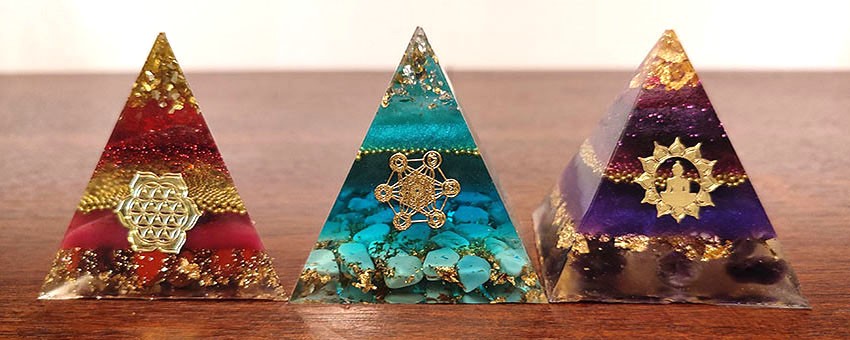 Orgonite pyramids: between craftsmanship, energy and symbolismRead more
Jewelry, decorative objects, energy generators... Orgonite pyramids fascinate as much as they raise questions. An...
-
 The Timeless Beauty of the Color PinkRead more
Pink. This unique color instantly evokes tenderness, femininity, and delicacy. In the world of handcrafted creations,...
-
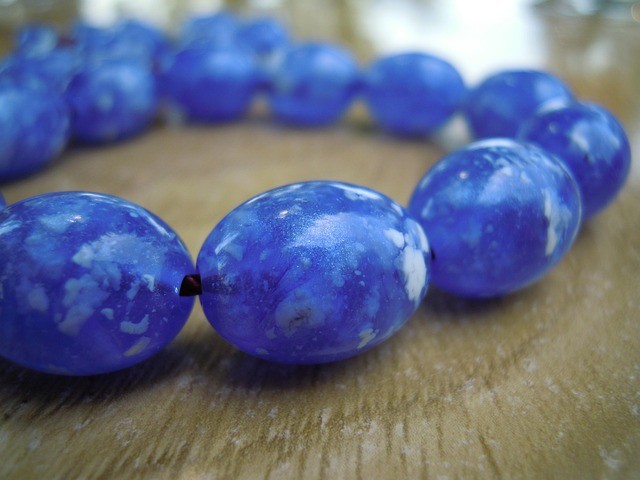 The Kombolois: The Ancestral Art of Mediterranean Bead StringsRead more
In the fascinating world of traditional handcrafted objects, komboloi hold a special place. These strings of beads,...
-
 Decorative Pumpkins: An Ancient Art That Brightens Our InteriorsRead more
The decorative pumpkin is much more than just a symbol of autumn. This humble gourd has traveled through centuries...
-
 The essential materials for getting started in scrapbooking: your creative starter kitRead more
Scrapbooking, the art of creative layout that showcases photos and memories in personalized albums, is attracting a...
-
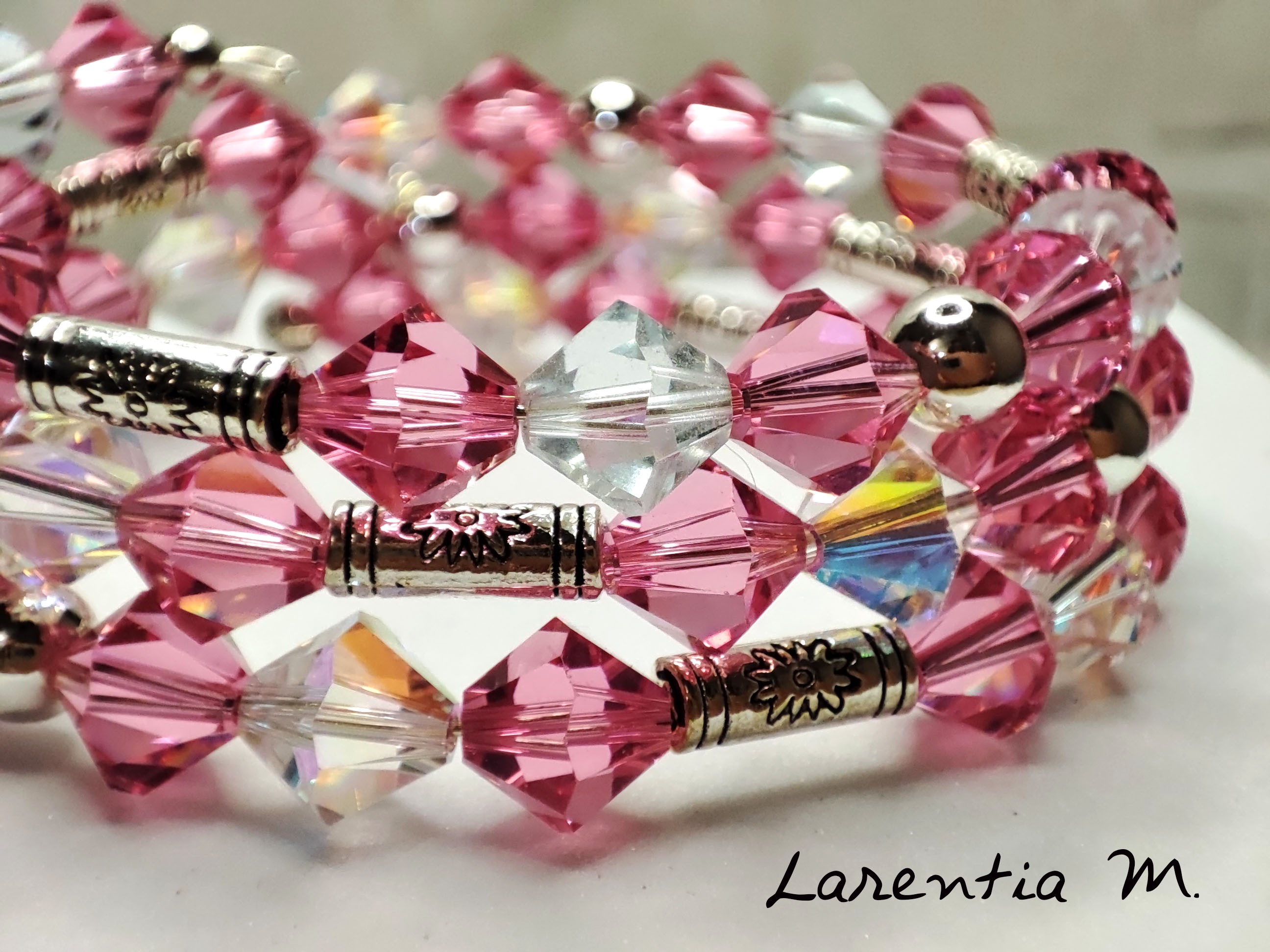 Crystal Beads: Millennial Treasures of Contemporary CraftsmanshipRead more
Crystal beads hold a special place in the world of handcrafted jewelry and home decor. These little marvels, the...
-
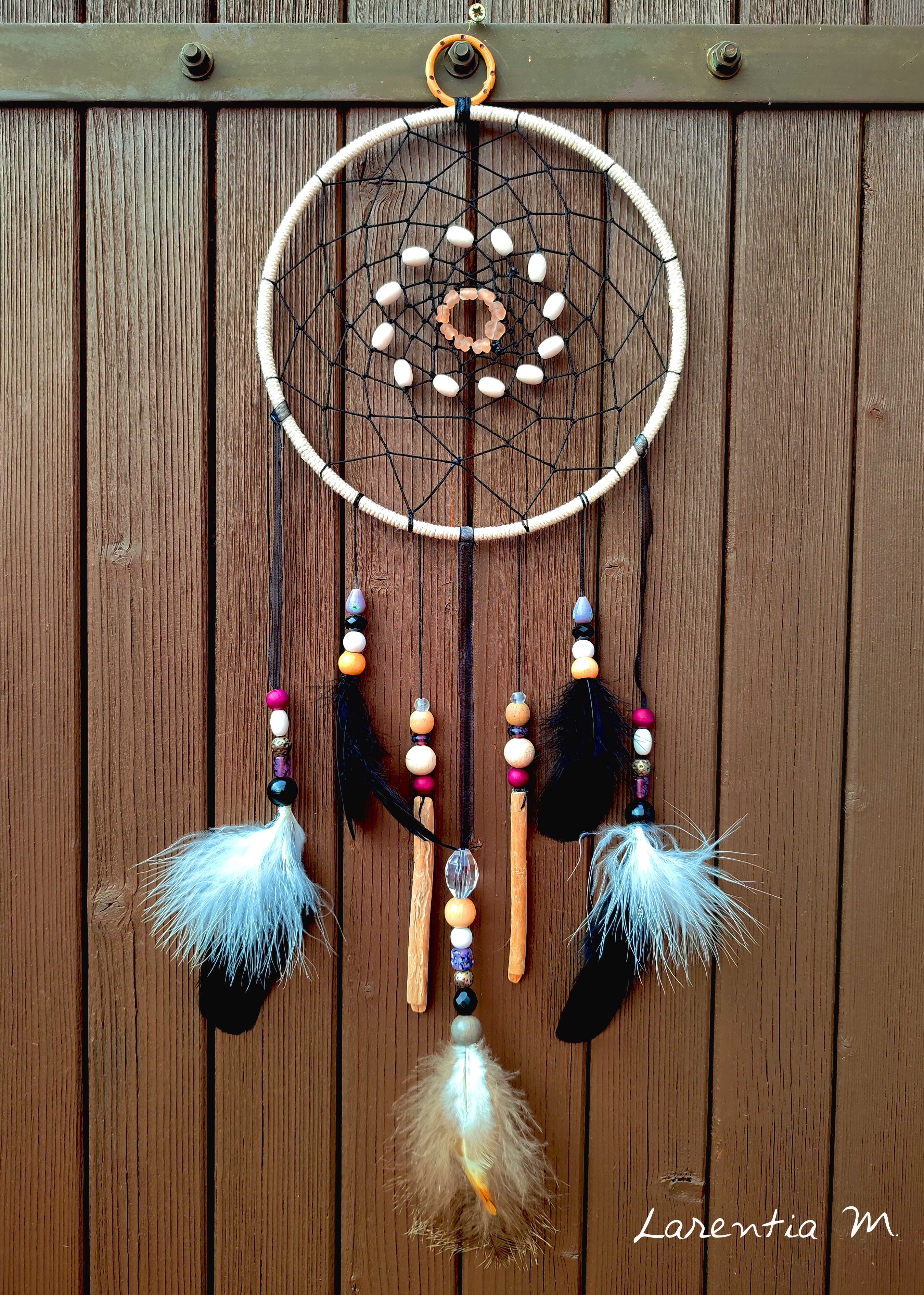 Dreamcatchers: History, Traditions and Handcrafted CreationRead more
The dreamcatcher is much more than just a decorative object. This handcrafted creation, originating in Native...
-
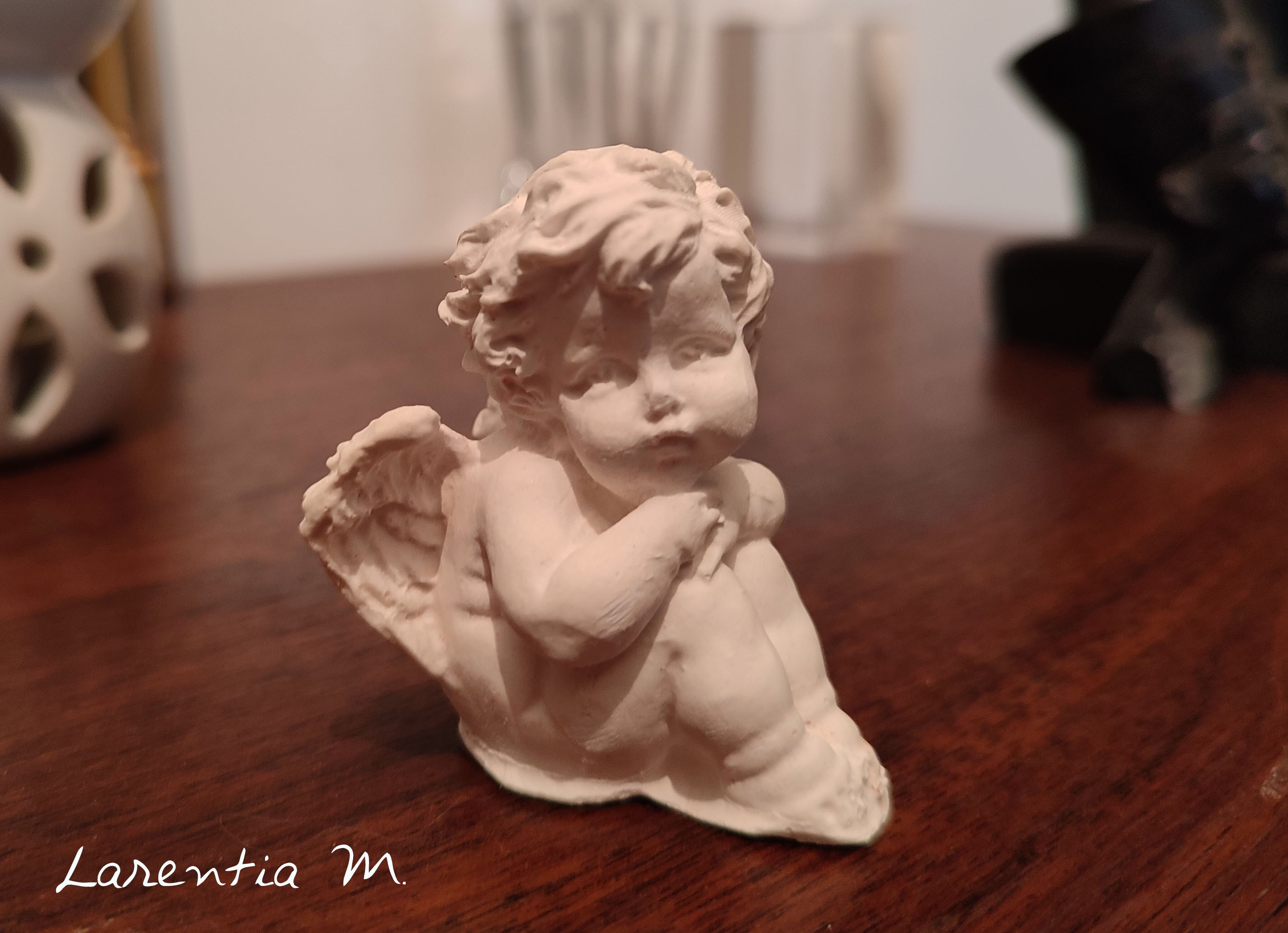 Angel Figurines: Between Celestial Tradition and Decorative ArtRead more
Angels, those beings of light who have populated our imaginations for millennia, are finding new expression in...
Blog categories
Search in blog
Decorative Pumpkins: An Ancient Art That Brightens Our Interiors
The decorative pumpkin is much more than just a symbol of autumn. This humble gourd has traversed centuries and continents to become an essential element of contemporary handcrafted decor. From early ritual carvings to today's refined handcrafted creations, let's explore the fascinating history of this decorative art that enchants our homes.
Origins: The Pumpkin in Ancient Traditions
The history of the decorative pumpkin stretches back millennia. Native to the Americas, the pumpkin was already being cultivated by Indigenous peoples more than 7,000 years ago. The Aztecs and Mayans used these gourds not only as food, but also as containers and ritual objects. They carved symbolic designs into their hardened rinds, creating the earliest known examples of decorative pumpkins.
In Europe, the tradition of the carved vegetable originated in Ireland with the legend of Jack O'Lantern. Originally, the Irish carved turnips and beets to create lanterns believed to ward off evil spirits. When Irish immigrants arrived in North America in the 19th century, they discovered that pumpkins, larger and easier to carve, were perfect for continuing this tradition. Thus was born the iconic Halloween pumpkin we know today.
Different Traditions Around the World
In North America, the carved pumpkin has become synonymous with Halloween. Every fall, millions of households transform these gourds into ephemeral works of art, from simple smiley faces to intricate carvings depicting elaborate scenes. Pumpkin carving competitions attract artists from all over the world, pushing the boundaries of this ancient art.
In Mexico, during Día de los Muertos (Day of the Dead), pumpkins and other gourds are painted in vibrant colors and decorated with traditional floral designs. They stand alongside family altars, symbolizing the abundance of the harvest and honoring the deceased. This tradition harmoniously blends pre-Columbian heritage with Spanish influences.
In Asia, particularly in Japan, the art of pumpkin carving has been adopted and transformed according to local aesthetics. Japanese artisans create delicate lanterns inspired by traditional wood and fruit carving techniques. The designs may include kanji characters, nature scenes, or clean geometric patterns, reflecting Japanese artistic sensibilities.
In Europe, each region has developed its own traditions. In France, especially in Provence, painted and decorated pumpkins adorn autumn markets. In Switzerland and Germany, harvest festivals feature impressive displays of gourds and pumpkins, creating spectacular community art installations.
The Different Types of Decorative Pumpkins
The world of decorative pumpkins is surprisingly diverse. Ornamental varieties come in a multitude of shapes, sizes, and colors, offering endless possibilities for crafters.
Classic bright orange pumpkins, such as 'Connecticut Field' or 'Howden', remain favorites for traditional carving. Their round shape and firm rind make them ideal for all kinds of projects.
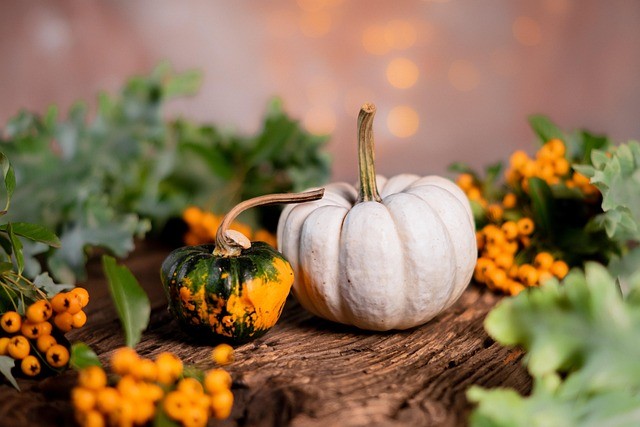
White pumpkins, such as 'Lumina' or 'Baby Boo', have gained popularity for creating elegant and contemporary decorations. Their ivory hue lends itself beautifully to refined interiors and autumn weddings.
Warty varieties, such as 'Knucklehead' or 'Warty Goblin', offer fascinating textures that add character and dimension to decorative arrangements.
Mini pumpkins and ornamental gourds, in their shades of green, orange, white, and multicolored stripes, allow for the creation of sophisticated arrangements and original centerpieces.
Contemporary Craftsmanship: Techniques and Creations
Today's artisans have elevated pumpkin decorating to a true art form, developing innovative techniques that transcend simple carving.
Pumpkin painting allows for the creation of durable and sophisticated works of art. Artists use acrylic paints, markers, or stencil techniques to transform these gourds into veritable three-dimensional paintings. From delicate floral patterns to intricate mandalas, each creation becomes a unique piece.
Cutting and assembling involves combining different varieties of gourds with other natural materials such as driftwood, branches, dried leaves, or preserved flowers, creating mixed-media compositions full of character.
Fine carving uses precision tools to create intricate designs.
The pumpkin is carved into the bark, playing with light and shadow. This technique, inspired by ivory carving, creates striking visual effects.
Preservation and transformation techniques allow certain varieties of pumpkins to be dried and used to create permanent decorative objects: vases, lamps, musical instruments, or indoor sculptures.
Incorporating Pumpkins into Handmade Decor
For jewelry and decorative object makers, the pumpkin offers an endless source of inspiration. Autumnal hues inspire warm color palettes for creations in beads, resin, or metal. The organic shapes of pumpkins are found in sculpted pendants, ceramic earrings, or enameled brooches.
Pumpkin seeds themselves can be transformed into decorative elements: dried, painted, and varnished, they become natural beads for bohemian jewelry or elements for mobiles and dreamcatchers.
Woodworkers can draw inspiration from pumpkin shapes to create jewelry boxes, candle holders, or decorative sculptures. Textiles are no exception: cushions, wall hangings, and quilts feature autumnal patterns and colors.
A Living Heritage
The decorative pumpkin perfectly embodies the meeting of tradition and contemporary creativity. This ancestral art continues to evolve, driven by passionate artisans who constantly reinvent techniques while respecting cultural heritage.
Whether you are a jewelry maker, sculptor, painter, or simply a lover of handcrafted decor, the pumpkin invites you to explore your creativity. It reminds us of the importance of celebrating nature's cycles, perpetuating traditions while adapting them to our times, and finding beauty in the simple, natural materials that surround us.
This autumn, let yourself be inspired by these wonderful gourds and create your own decorative works, thus participating in a millennia-old tradition that continues to enchant homes around the world.
Related posts
-
 Valentine's Day: between tradition and modernity
Valentine's Day, the lovers' holiday celebrated every year on February 14th, inspires as much enthusiasm as...Read more
Valentine's Day: between tradition and modernity
Valentine's Day, the lovers' holiday celebrated every year on February 14th, inspires as much enthusiasm as...Read more -
 Carnival: Origins
Carnival is a vibrant and colorful festival, rich in traditions and symbols. Present in many cultures around the...Read more
Carnival: Origins
Carnival is a vibrant and colorful festival, rich in traditions and symbols. Present in many cultures around the...Read more -
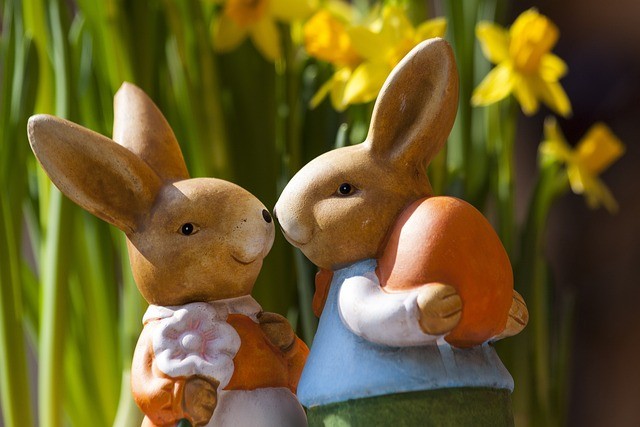 Easter: A Journey Through History and Traditions
Easter, a holiday steeped in mystery and joy, is celebrated around the world with diverse and colorful traditions....Read more
Easter: A Journey Through History and Traditions
Easter, a holiday steeped in mystery and joy, is celebrated around the world with diverse and colorful traditions....Read more -
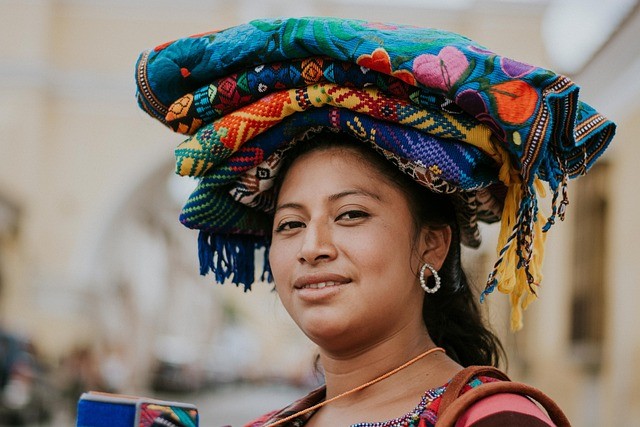 Handcrafted Earrings: A Journey Through Time and Cultures
Earrings, far more than a simple accessory, are timeless adornments that tell a story. From ancient civilizations to...Read more
Handcrafted Earrings: A Journey Through Time and Cultures
Earrings, far more than a simple accessory, are timeless adornments that tell a story. From ancient civilizations to...Read more -
Angel Figurines: Between Celestial Tradition and Decorative Art
Angels, those beings of light who have populated our imaginations for millennia, are finding new expression in...Read more
Leave a comment