
When we think of "survivalism," we often picture a hermit hidden deep in the woods, clad in camouflage and chopping...
Latest posts
-
 Why prepare for a crisis in the city: the complete beginner's guideRead more
 -
 Emergency Food Stockpile: The 10 Essential Foods in a CrisisRead more
In a world where economic, geopolitical, and climate uncertainties regularly make headlines, the issue of food...
-
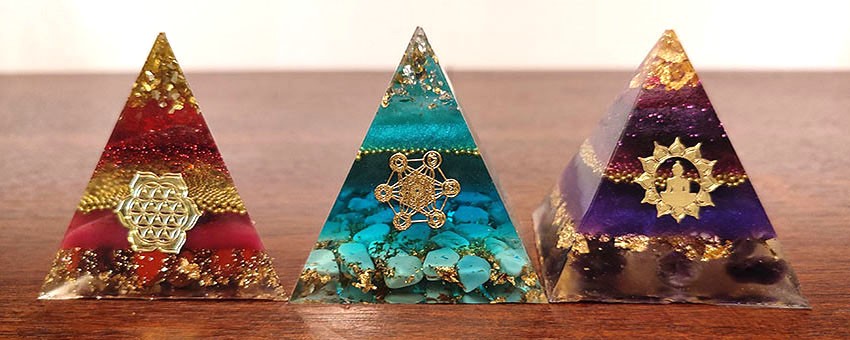 Orgonite pyramids: between craftsmanship, energy and symbolismRead more
Jewelry, decorative objects, energy generators... Orgonite pyramids fascinate as much as they raise questions. An...
-
 The Timeless Beauty of the Color PinkRead more
Pink. This unique color instantly evokes tenderness, femininity, and delicacy. In the world of handcrafted creations,...
-
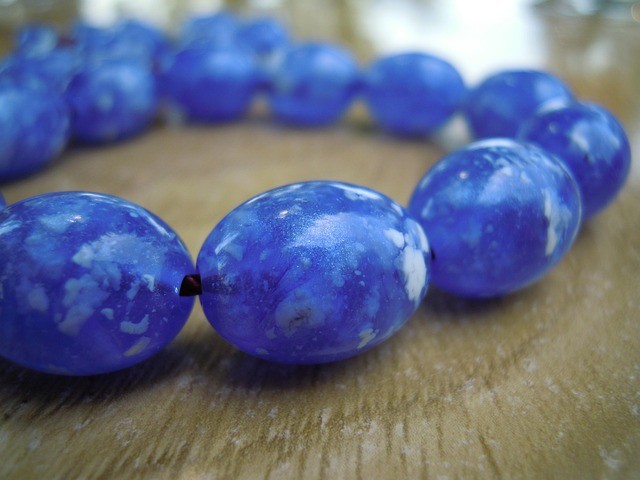 The Kombolois: The Ancestral Art of Mediterranean Bead StringsRead more
In the fascinating world of traditional handcrafted objects, komboloi hold a special place. These strings of beads,...
-
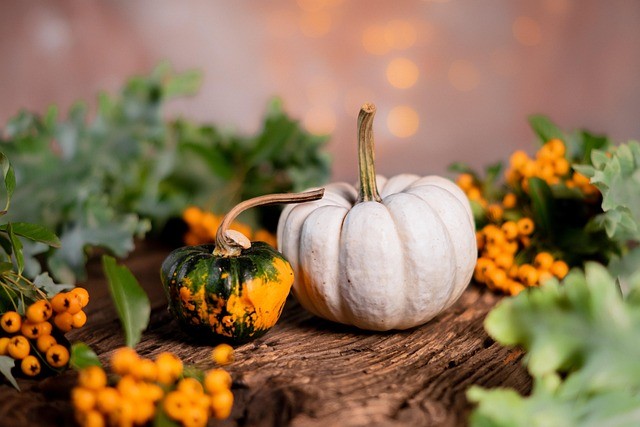 Decorative Pumpkins: An Ancient Art That Brightens Our InteriorsRead more
The decorative pumpkin is much more than just a symbol of autumn. This humble gourd has traveled through centuries...
-
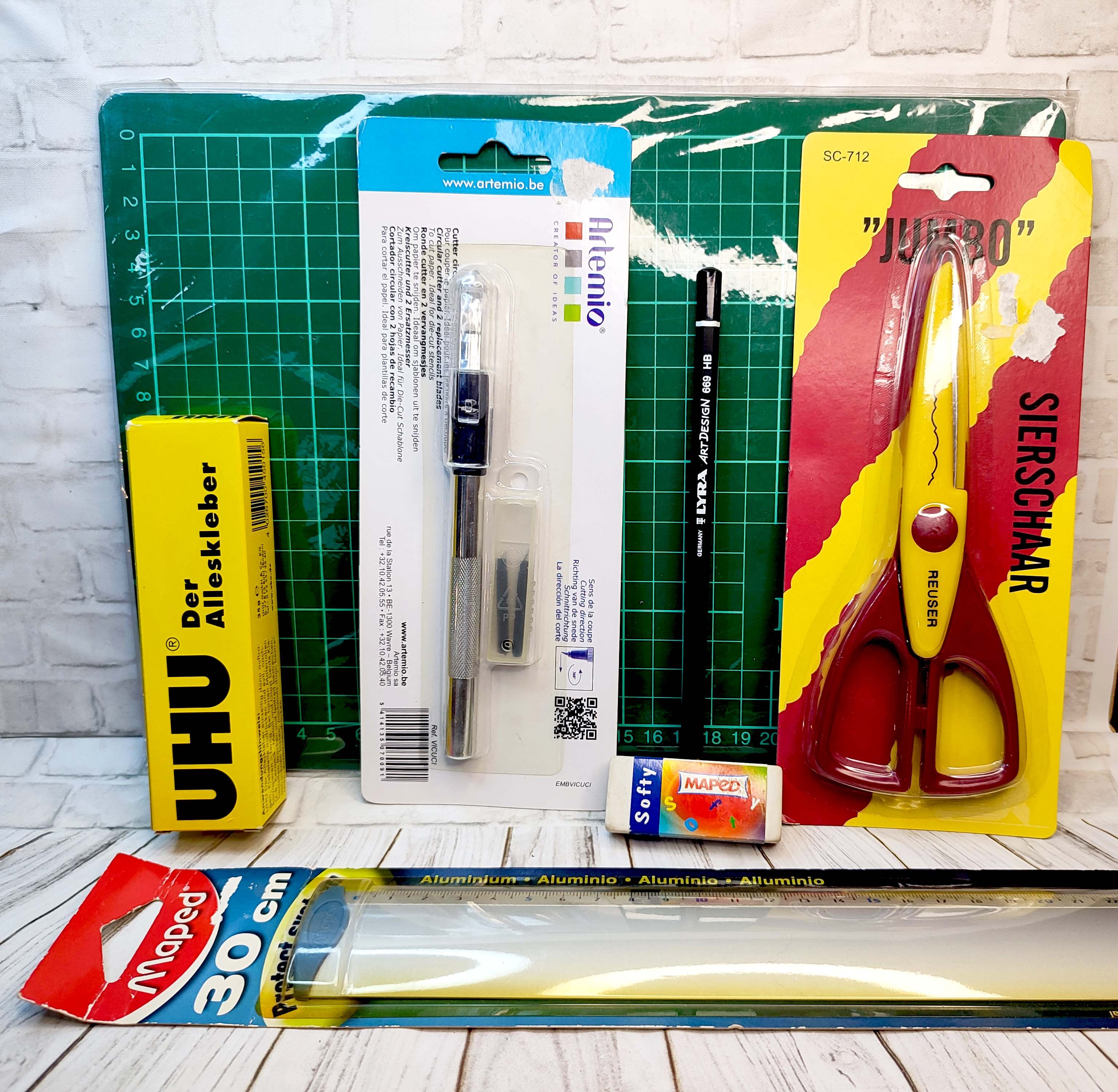 The essential materials for getting started in scrapbooking: your creative starter kitRead more
Scrapbooking, the art of creative layout that showcases photos and memories in personalized albums, is attracting a...
-
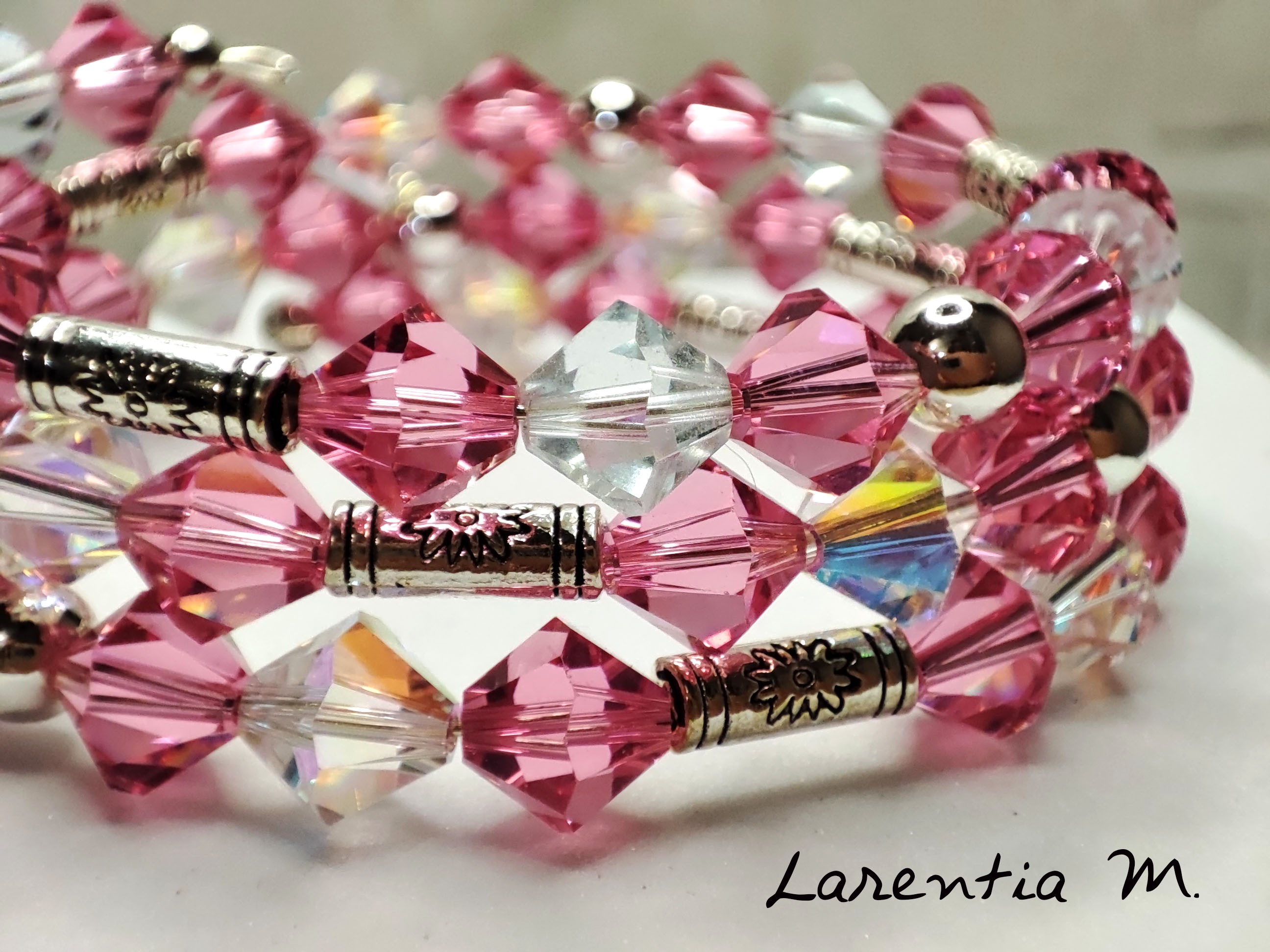 Crystal Beads: Millennial Treasures of Contemporary CraftsmanshipRead more
Crystal beads hold a special place in the world of handcrafted jewelry and home decor. These little marvels, the...
-
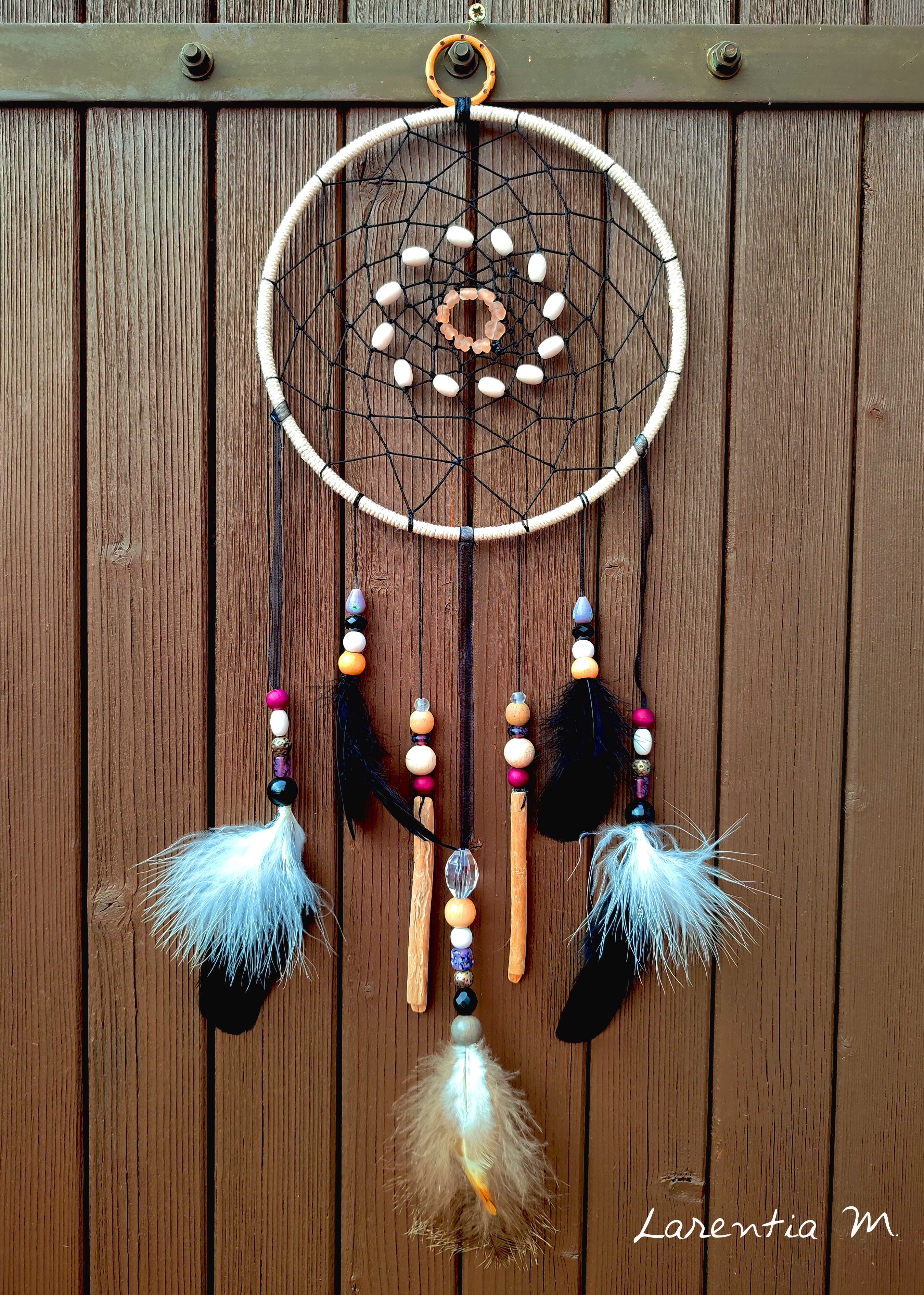 Dreamcatchers: History, Traditions and Handcrafted CreationRead more
The dreamcatcher is much more than just a decorative object. This handcrafted creation, originating in Native...
-
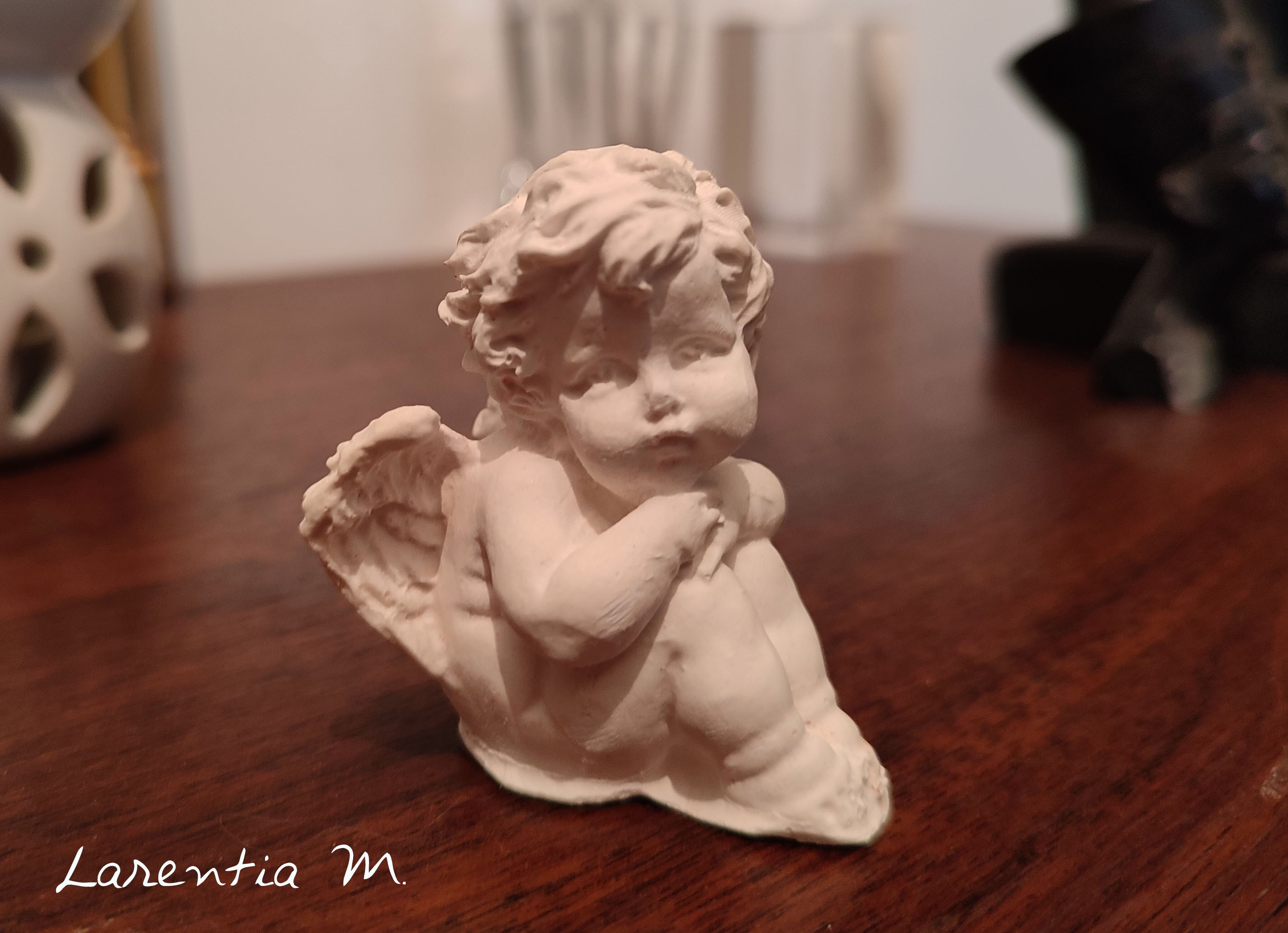 Angel Figurines: Between Celestial Tradition and Decorative ArtRead more
Angels, those beings of light who have populated our imaginations for millennia, are finding new expression in...
Blog categories
Search in blog
The Kombolois: The Ancestral Art of Mediterranean Bead Strings
In the fascinating world of traditional handcrafted objects, komboloi hold a special place. These strings of beads, far more than mere jewelry, embody a centuries-old tradition that spans Mediterranean and Middle Eastern cultures. For artisans and enthusiasts of handcrafted creation, understanding the history and intricacies of komboloi opens the door to a world rich in techniques, materials, and cultural significance.
Origins and History
The term "komboloi" comes from Modern Greek, derived from "kombos" (knot) and "logio" (collection). While particularly associated with contemporary Greece, this object has its roots in much older traditions. Historians trace the origins of non-religious beaded strings to the Middle East and Asia, where they have been used for millennia for meditation and concentration.
The history of komboloi is intertwined with that of the Byzantine and Ottoman trade routes. Over the centuries, these objects traveled along caravan routes, absorbing the cultural influences of each region they passed through. In ancient Greece, long before the komboloi as we know them today, philosophers already used small objects to aid their reflection.
It was truly during the Ottoman period that komboloi took their current form in the Mediterranean basin. Ottoman artisans perfected the art of their manufacture, creating highly sophisticated pieces that reflected the social status of their owners. This tradition then became deeply rooted in Greek culture, where the komboloi became an essential cultural symbol.
Cultural and Regional Variations
In Greece
In modern Greek culture, the komboloi transcends its utilitarian function to become a true cultural emblem. Greeks handle it with remarkable dexterity, twirling it around their fingers in a gesture that is both soothing and elegant. Unlike religious rosaries, the Greek komboloi is strictly secular and primarily serves to reduce stress and keep the hands occupied.
The traditional Greek komboloi typically consists of an odd number of beads, most often 17, 19, or 23, although this number can vary. This characteristic distinguishes it from other types of rosaries around the world.
In the Middle East
In Middle Eastern countries, one finds the "masbaha" (or "subha"), a similar rosary but often associated with spiritual practices. While sharing structural similarities with the komboloi, the masbaha usually has 33 or 99 beads, corresponding to the divine names in Islamic tradition. However, there are also secular versions used for relaxation.
In Turkey
Turks use the "tesbih," which can be both religious and secular. Turkish artisans are renowned for their exceptional skill in working with amber and precious woods. Turkish tesbih is often distinguished by larger beads and particularly elaborate decoration.
Precious Materials
Amber
Amber remains the most prized material for crafting luxury komboloi. This fossilized resin, light and warm to the touch, is especially valued for its tactile qualities. Baltic amber, with its shades ranging from honey yellow to deep cognac, is considered the most precious. Connoisseurs seek out pieces containing natural inclusions, true testaments to millions of years of history.
Precious and Semi-Precious Stones
Craftsmen use a wide variety of stones: carnelian, onyx, jasper, lapis lazuli, turquoise, and agate. Each stone brings not only a unique aesthetic but also, according to traditional beliefs, specific energetic properties. Carnelian, for example, is reputed to bring courage and vitality.
Wood
Noble woods such as ebony, rosewood, sandalwood, and olive are widely used. Wood offers natural warmth and develops a beautiful patina over time. Olive wood komboloi are particularly prized for their unique grain and lightness.
Bone and Horn
Traditionally, camel bone, buffalo horn, and vegetable ivory (tagua) are considered noble alternatives. These organic materials allow for meticulous work and develop an exceptional patina with daily use.
Modern Materials
Today, contemporary artisans are also exploring innovative materials: colored resins, polymers, precious metals, Murano glass, and creative combinations blending tradition and modernity.
Handcrafted Production
Creating an authentic komboloi requires patience and expertise. The artisan must first carefully select their materials, ensuring the uniformity of the beads. Each bead is individually drilled, shaped, and polished. The weight and balance of the entire piece are crucial: a well-made komboloi rotates harmoniously around the fingers.
The final assembly includes the beads, two "fixers" that mark the ends, and often a larger or more distinctive "imam," or main bead. All of this is connected by a braided silk cord, traditionally finished with a decorative tassel.
A Contemporary Object
Today, komboloi are experiencing a resurgence of interest far beyond their regions of origin. In our hyper-connected digital age, this ancestral object fulfills a growing need for disconnection and tactile meditation. Designers of handcrafted jewelry draw inspiration from this tradition to create unique pieces that blend cultural heritage with contemporary aesthetics.
Kombolois thus represent a fascinating bridge between past and present, craftsmanship and art, function and contemplation, inviting each craftsman to explore a universe rich in creative possibilities.
Posted in:
Histoire et Origines de objets ou bijoux
Related posts
-
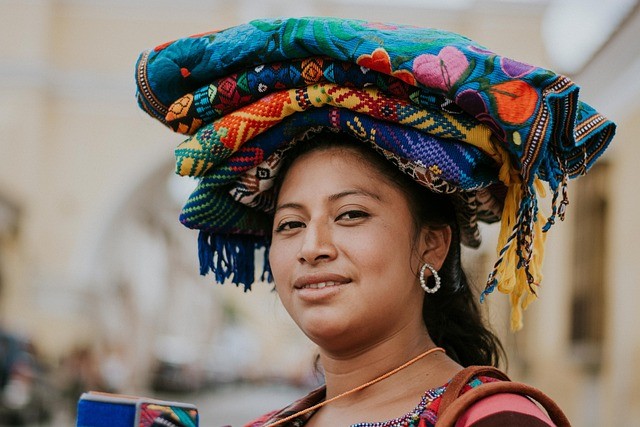 Handcrafted Earrings: A Journey Through Time and Cultures
Earrings, far more than a simple accessory, are timeless adornments that tell a story. From ancient civilizations to...Read more
Handcrafted Earrings: A Journey Through Time and Cultures
Earrings, far more than a simple accessory, are timeless adornments that tell a story. From ancient civilizations to...Read more -
Angel Figurines: Between Celestial Tradition and Decorative Art
Angels, those beings of light who have populated our imaginations for millennia, are finding new expression in...Read more
-
Dreamcatchers: History, Traditions and Handcrafted Creation
The dreamcatcher is much more than just a decorative object. This handcrafted creation, originating in Native...Read more
-
Crystal Beads: Millennial Treasures of Contemporary Craftsmanship
Crystal beads hold a special place in the world of handcrafted jewelry and home decor. These little marvels, the...Read more
-
Decorative Pumpkins: An Ancient Art That Brightens Our Interiors
The decorative pumpkin is much more than just a symbol of autumn. This humble gourd has traveled through centuries...Read more
Leave a comment