
When we think of "survivalism," we often picture a hermit hidden deep in the woods, clad in camouflage and chopping...
Latest posts
-
 Why prepare for a crisis in the city: the complete beginner's guideRead more
 -
 Emergency Food Stockpile: The 10 Essential Foods in a CrisisRead more
In a world where economic, geopolitical, and climate uncertainties regularly make headlines, the issue of food...
-
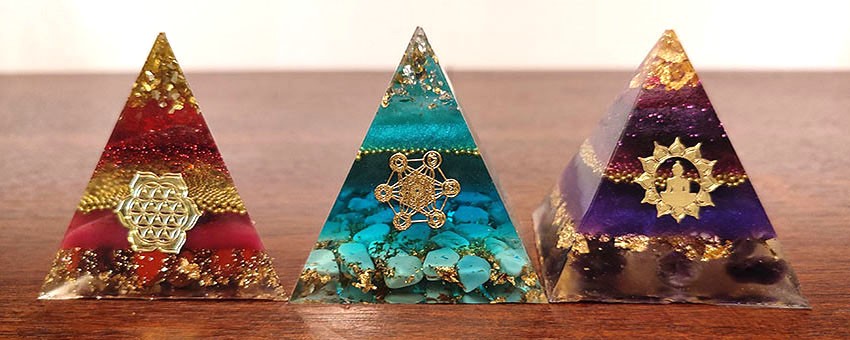 Orgonite pyramids: between craftsmanship, energy and symbolismRead more
Jewelry, decorative objects, energy generators... Orgonite pyramids fascinate as much as they raise questions. An...
-
 The Timeless Beauty of the Color PinkRead more
Pink. This unique color instantly evokes tenderness, femininity, and delicacy. In the world of handcrafted creations,...
-
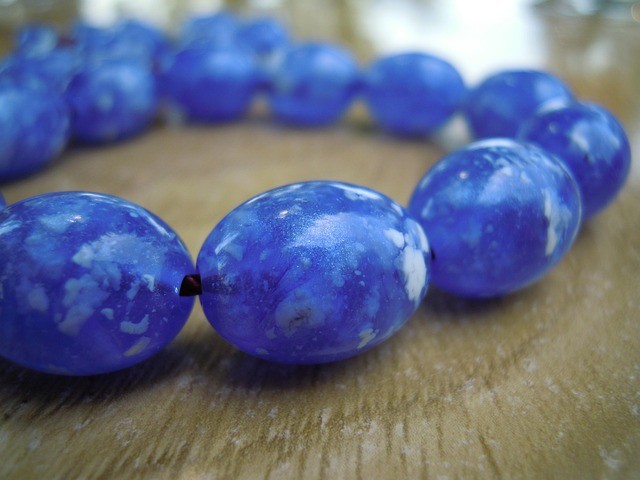 The Kombolois: The Ancestral Art of Mediterranean Bead StringsRead more
In the fascinating world of traditional handcrafted objects, komboloi hold a special place. These strings of beads,...
-
 Decorative Pumpkins: An Ancient Art That Brightens Our InteriorsRead more
The decorative pumpkin is much more than just a symbol of autumn. This humble gourd has traveled through centuries...
-
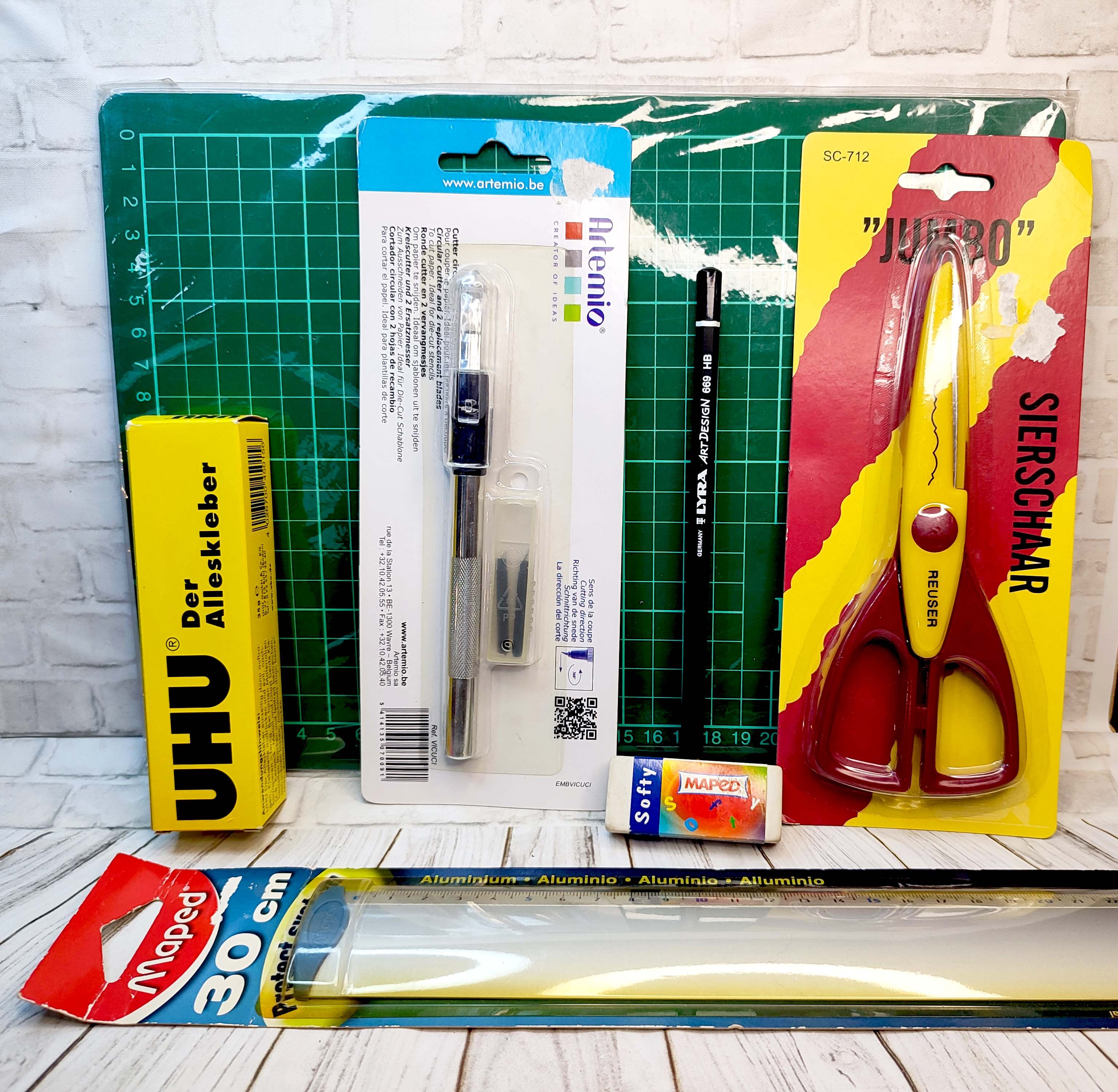 The essential materials for getting started in scrapbooking: your creative starter kitRead more
Scrapbooking, the art of creative layout that showcases photos and memories in personalized albums, is attracting a...
-
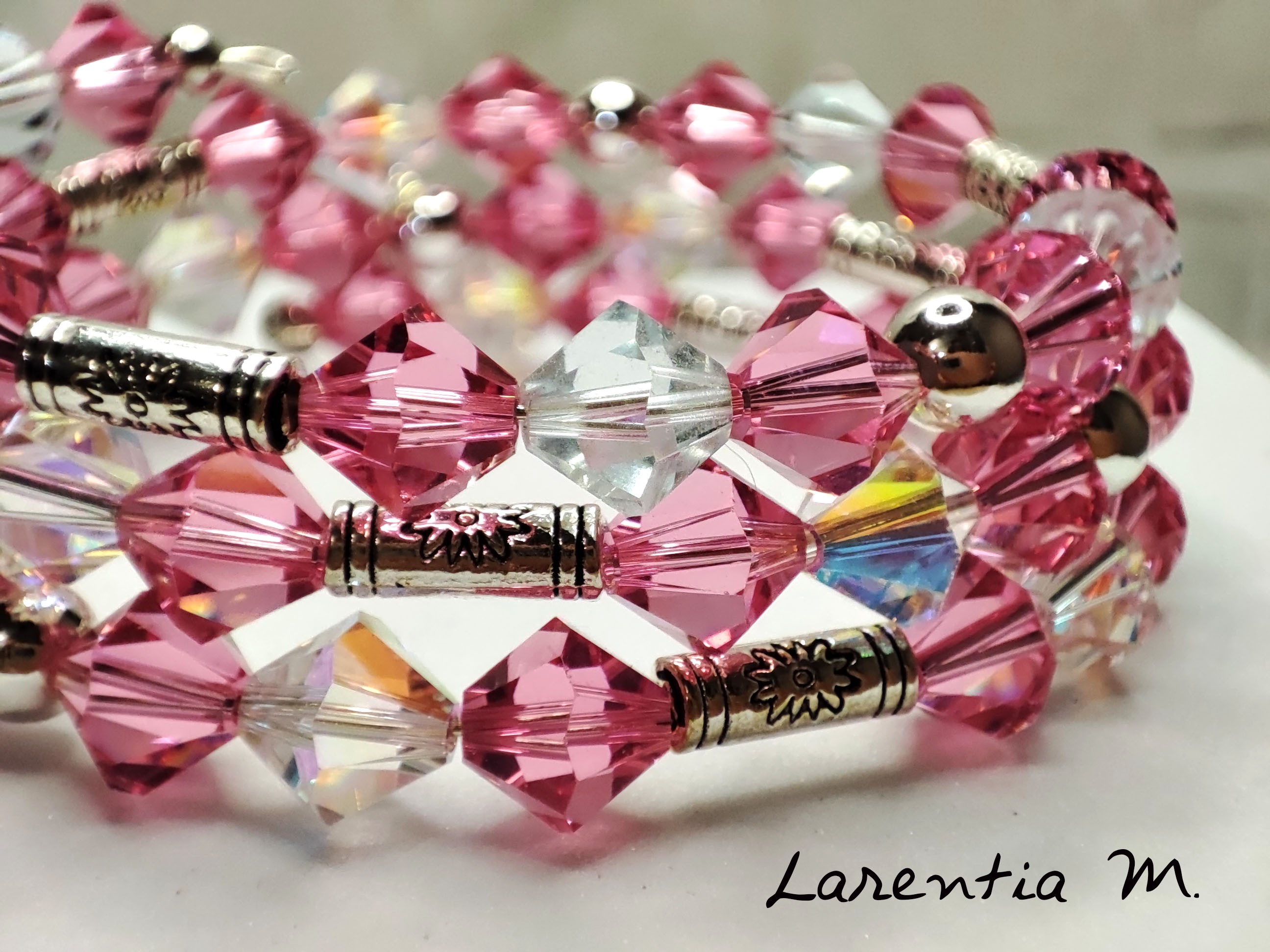 Crystal Beads: Millennial Treasures of Contemporary CraftsmanshipRead more
Crystal beads hold a special place in the world of handcrafted jewelry and home decor. These little marvels, the...
-
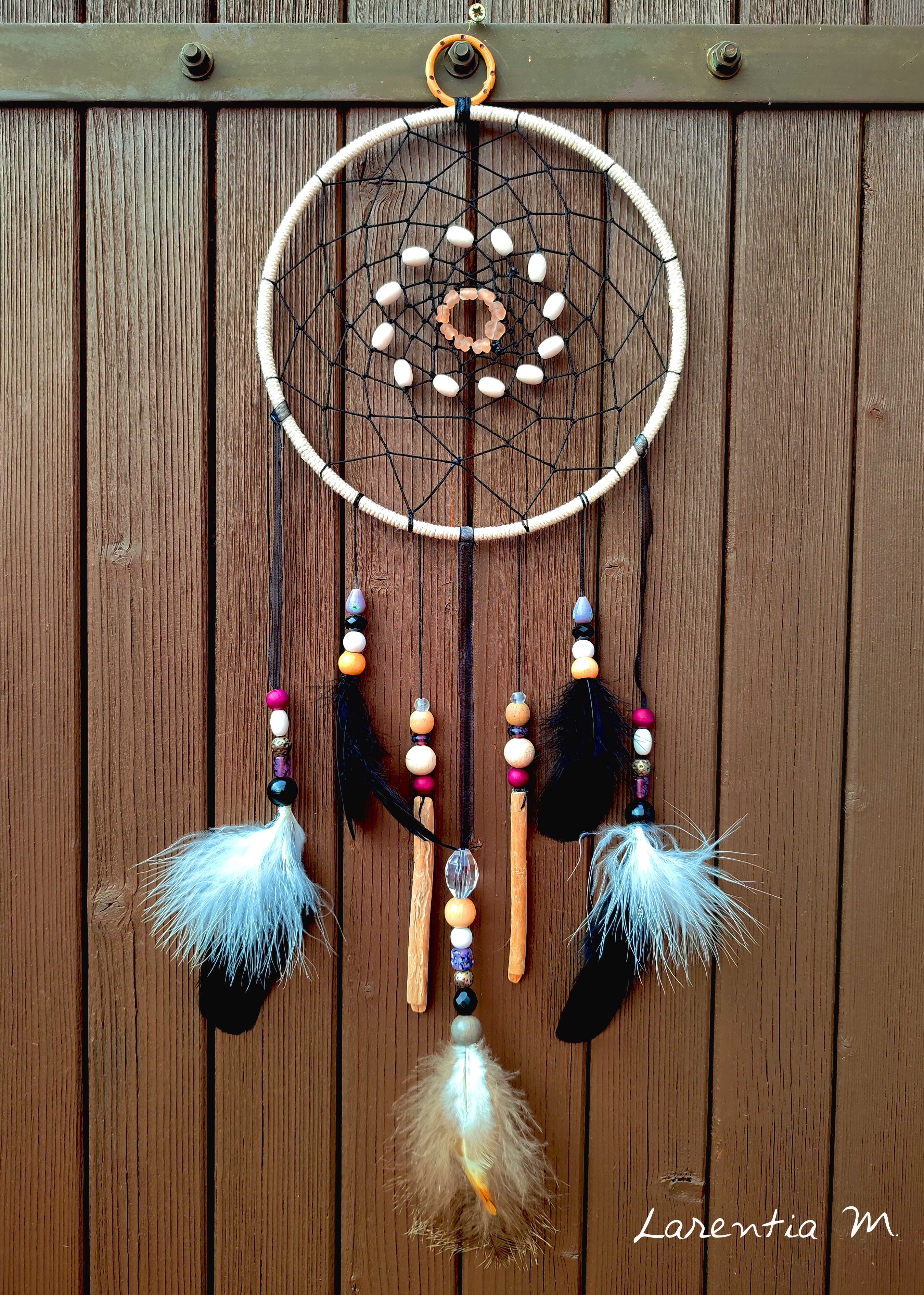 Dreamcatchers: History, Traditions and Handcrafted CreationRead more
The dreamcatcher is much more than just a decorative object. This handcrafted creation, originating in Native...
-
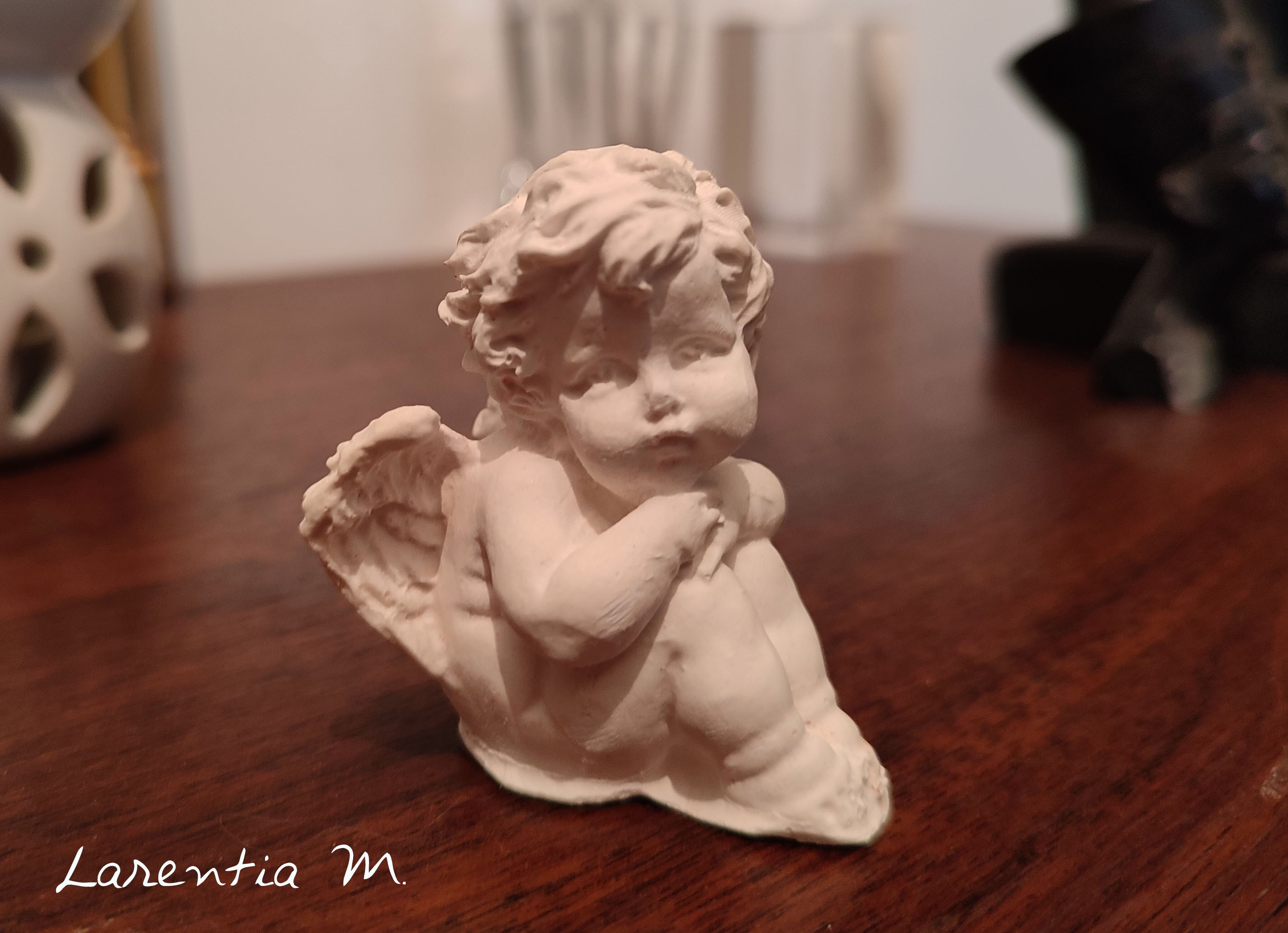 Angel Figurines: Between Celestial Tradition and Decorative ArtRead more
Angels, those beings of light who have populated our imaginations for millennia, are finding new expression in...
Blog categories
Search in blog
Orgonite pyramids: between craftsmanship, energy and symbolism
Jewelry, decorative objects, energy generators... Orgonite pyramids fascinate as much as they raise questions. A look at a handcrafted creation at the crossroads of mineralogy, resin work, and spiritual traditions.
Scientific origins... and a contemporary renaissance
The story of orgonite begins in the early 20th century, far from artists' workshops and wellness markets. Orgonite finds its origins in the work of Dr. Wilhelm Reich, a scientist and psychoanalyst who, in the 1930s, discovered a form of energy he called "orgone." According to Reich, orgone is a universal energy present everywhere and influencing health and well-being. His research led to the creation of devices capable of capturing and transforming orgone energy.
However, the concept remained largely unknown for a long time. Orgonite, as we know it today, is not an original creation of Reich, but rather that of Karl Hans Welz in 1992. Welz drew heavily on Reich's preliminary work on orgone energy to develop this composite material. In the 2000s, orgonite gained popularity and quickly spread among wellness practitioners and spiritual enthusiasts.
The word itself is revealing. The term "orgonite" comes from "orgone," the name Wilhelm Reich gave to the vital energy present everywhere in nature, also called Ch'i, Prana, or Aether, depending on the tradition. This vital energy can be neutral, positive, or negative. The pyramidal shape, however, draws on a much older imagery: these sacred geometric structures, symbols of eternity in many ancient civilizations, are considered to concentrate a certain power. For the alchemists of medieval Europe, as for the Egyptian builders, the pyramid already represented transformation and elevation. Contemporary artisans inherit all this imagery.
Making an orgonite pyramid: a precise craft
The charm of handcrafted orgonites lies first and foremost in their material. Orgonite is simply a mixture—approximately 50/50—of metal and resin (polyester, urethane, or epoxy) into which organic and mineral elements are poured. The manufacturing process, while accessible to any motivated creator, requires rigor and intention.
One begins by choosing a pyramidal mold. The most sought-after molds adhere to the proportions of the Great Pyramid of Giza, whose ratio echoes the golden ratio. A first layer of liquid resin mixed with metal shavings or filings—copper, aluminum, brass, or steel are the most common—is placed in this mold. Next come the semi-precious stones: amethyst, rose quartz, tiger's eye, black tourmaline, shungite... each chosen for its supposed energetic properties. An orgonite pyramid can be finely decorated on the inside with sacred geometries—the Flower of Life, the Fibonacci spiral—giving the piece an additional symbolic dimension.
The quartz crystal plays a central role in the handcrafted design. The resin in the orgonite shrinks during the hardening process, constantly compressing the quartz crystal inside, which creates a well-known piezoelectric effect within the crystal: its ends become electrically polarized. It is this real physical phenomenon—the piezoelectricity of quartz—that partly underpins the device's technical credibility in the eyes of its followers.
Once the resin has cured and the piece has been removed from the mold, it can be sanded, polished, and sometimes a gold or silver leaf can be added to the base for a more luxurious finish. Each pyramid is unique: the inclusions of stones, their arrangement, and the subtle variations in color of the tinted resin make each piece a true collector's item. Some workshops in France handcraft this delicate blend of natural stones, resin, and metals to create colorful orgonites that are both sources of well-being and style.
How to use them daily
The orgonite pyramid is designed for a variety of uses, from the most personal to the most decorative.
Placed in a living space, it helps harmonize the environment. The organic materials of the pyramidal orgonite attract and absorb vital energy, while the inorganic components disperse it in all directions. Ideally, it should be placed in the center of a room, next to an internet router or computer, where electromagnetic waves are densest.
For meditation and energy work, the pyramid offers a powerful focal point. Some Reiki or naturopathic practitioners incorporate it into their sessions to amplify intentions. Each pyramid can be programmed and reprogrammed for a specific intention or manifestation. Simply hold the piece with your hands, focus on a specific intention and "entrust" this energy to it.
Worn as jewelry, in the form of a miniature pendant, it accompanies its wearer throughout the day. Handcrafted orgonite can be shaped into other forms such as flat discs, cones, or pendants.
Maintenance is simple but recommended. Negative energy absorbed can easily be cleansed by placing the pyramid in sunlight for an hour each month. The full moon, sea salt, or certain smudging techniques (sage, incense) are other methods favored by users.
An object between art, well-being, and questioning
It's important to be honest: to date, no validated scientific study has demonstrated the existence of orgone or the energetic effects attributed to orgonites. The effects felt by their users are most likely due to the placebo effect, positive suggestion, or simply the pleasure derived from a beautiful, meticulously crafted object.
What is undeniable, however, is the creative and aesthetic dimension of these pieces. A craftsperson who masters resin, knows stones, and works with care produces objects of true beauty—luminous, unique, and rich in symbolism. As such, orgonite pyramids fit perfectly within the tradition of decorative arts, straddling the line between utilitarian object and contemplative piece. Whether one believes in them or not, making and giving them as gifts remains a generous act, rooted in craftsmanship and the care given to the materials of the world.
Want to try your hand at making orgonite pyramids? Epoxy resin, silicone molds, copper shavings, and a few beautiful semi-precious stones are all you need to create your first pieces. The community of creators in France is active, generous, and eager to share their techniques.
Posted in:
Spirituality and Well-being
Related posts
-
 What are Chakras?
Meaning of the 7 Chakras: What are the 7 Chakras, what do they symbolize? Why do the chakras close or vibrate?...Read more
What are Chakras?
Meaning of the 7 Chakras: What are the 7 Chakras, what do they symbolize? Why do the chakras close or vibrate?...Read more -
 Lithotherapy: how does it work?
Lithotherapy: journey to the heart of stones and their energies Lithotherapy, an ancestral practice which is...Read more
Lithotherapy: how does it work?
Lithotherapy: journey to the heart of stones and their energies Lithotherapy, an ancestral practice which is...Read more -
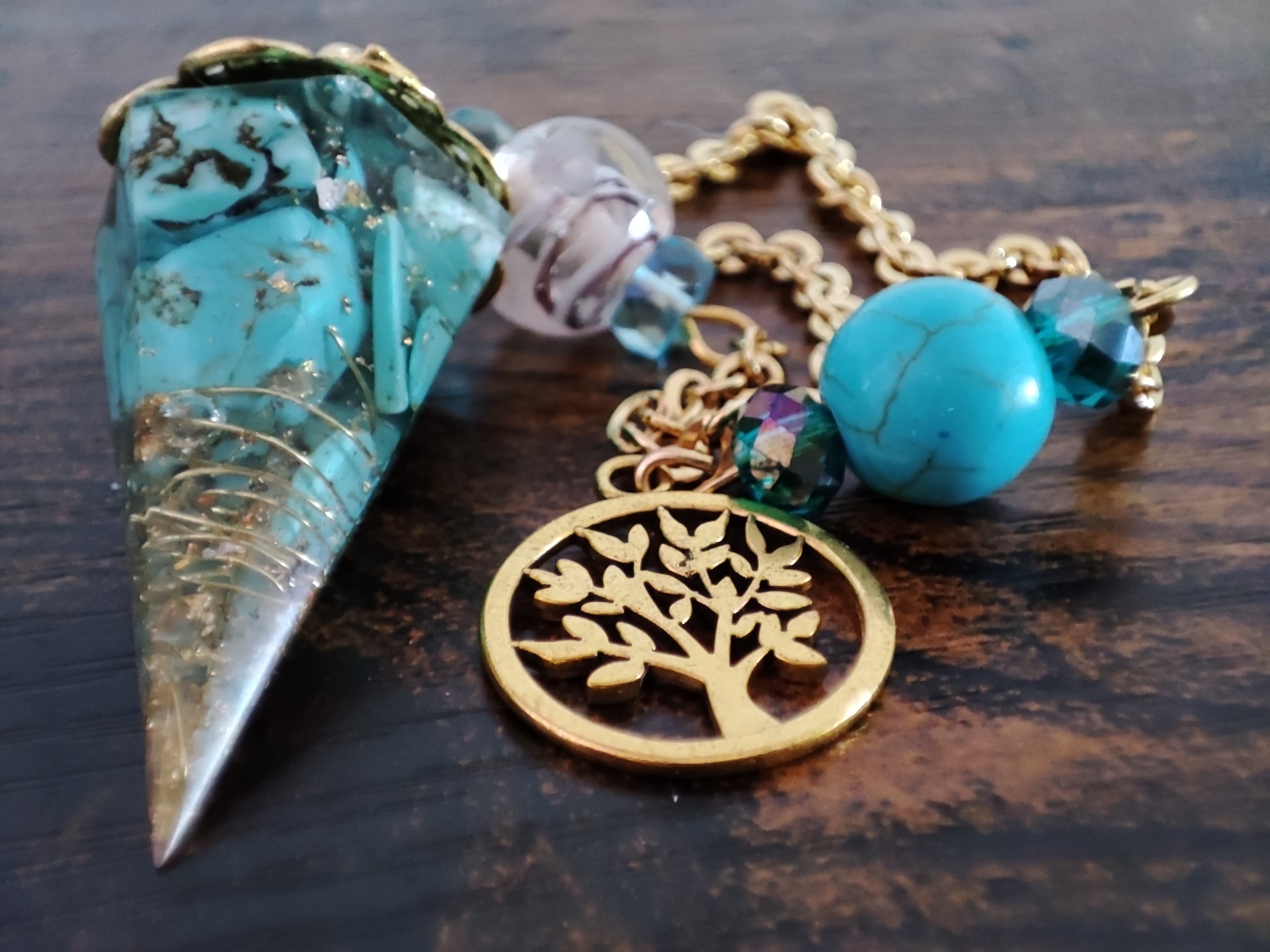 How to use a divining pendulum?
Pendulums are fascinating tools, which have been used for centuries for various divinatory and healing practices....Read more
How to use a divining pendulum?
Pendulums are fascinating tools, which have been used for centuries for various divinatory and healing practices....Read more -
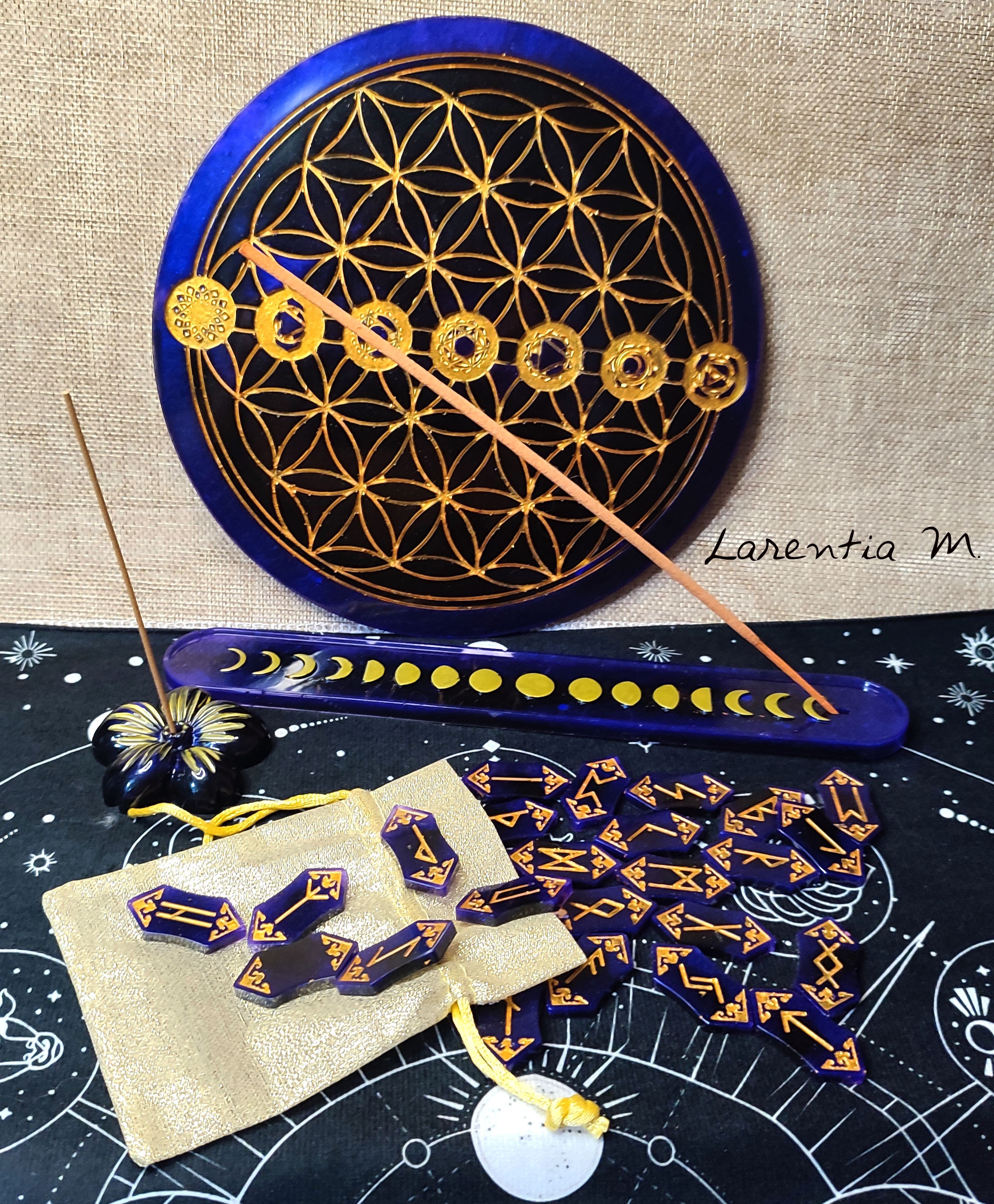 What is the flower of life? Spirituality objects and guidance on order!
The Flower of Life: A Universal and Eternal Symbol. My creations of objects linked to spirituality, to order:...Read more
What is the flower of life? Spirituality objects and guidance on order!
The Flower of Life: A Universal and Eternal Symbol. My creations of objects linked to spirituality, to order:...Read more -
 The symbolism of the color "Blue"
The color blue, omnipresent in our environment, possesses a rich symbolism that transcends ages and civilizations....Read more
The symbolism of the color "Blue"
The color blue, omnipresent in our environment, possesses a rich symbolism that transcends ages and civilizations....Read more
Leave a comment