
When we think of "survivalism," we often picture a hermit hidden deep in the woods, clad in camouflage and chopping...
Latest posts
-
 Why prepare for a crisis in the city: the complete beginner's guideRead more
 -
 Emergency Food Stockpile: The 10 Essential Foods in a CrisisRead more
In a world where economic, geopolitical, and climate uncertainties regularly make headlines, the issue of food...
-
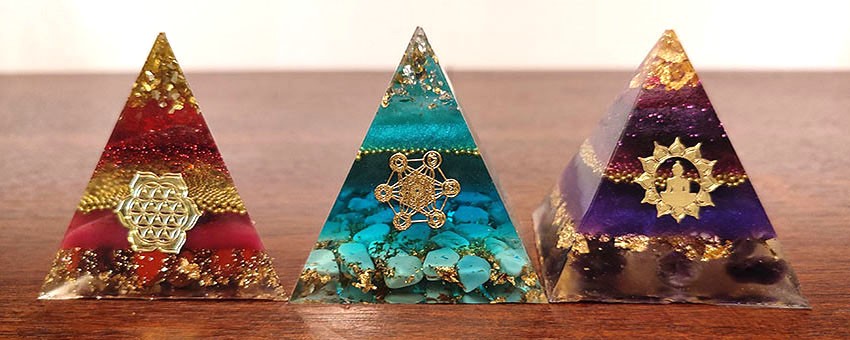 Orgonite pyramids: between craftsmanship, energy and symbolismRead more
Jewelry, decorative objects, energy generators... Orgonite pyramids fascinate as much as they raise questions. An...
-
 The Timeless Beauty of the Color PinkRead more
Pink. This unique color instantly evokes tenderness, femininity, and delicacy. In the world of handcrafted creations,...
-
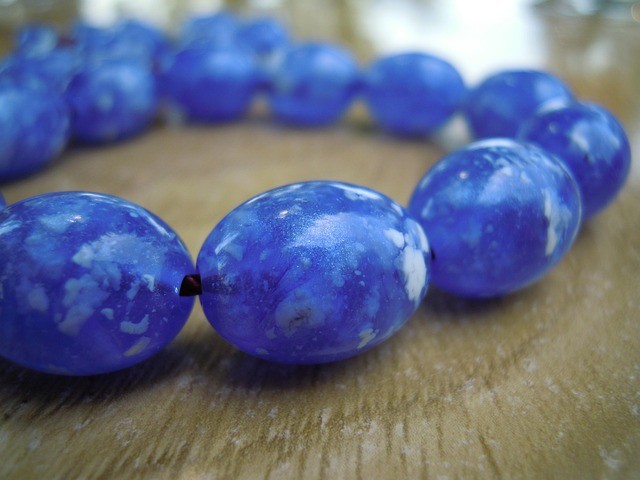 The Kombolois: The Ancestral Art of Mediterranean Bead StringsRead more
In the fascinating world of traditional handcrafted objects, komboloi hold a special place. These strings of beads,...
-
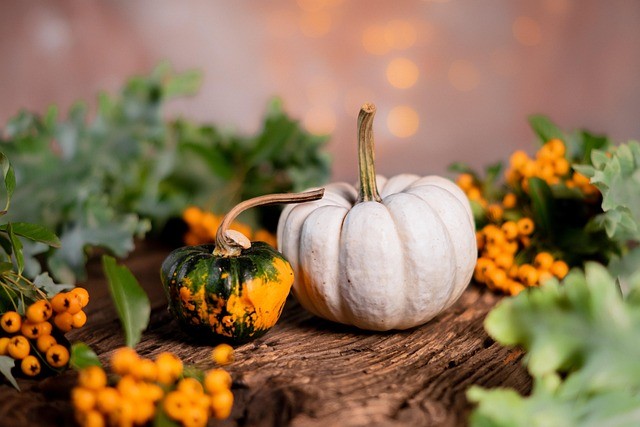 Decorative Pumpkins: An Ancient Art That Brightens Our InteriorsRead more
The decorative pumpkin is much more than just a symbol of autumn. This humble gourd has traveled through centuries...
-
 The essential materials for getting started in scrapbooking: your creative starter kitRead more
Scrapbooking, the art of creative layout that showcases photos and memories in personalized albums, is attracting a...
-
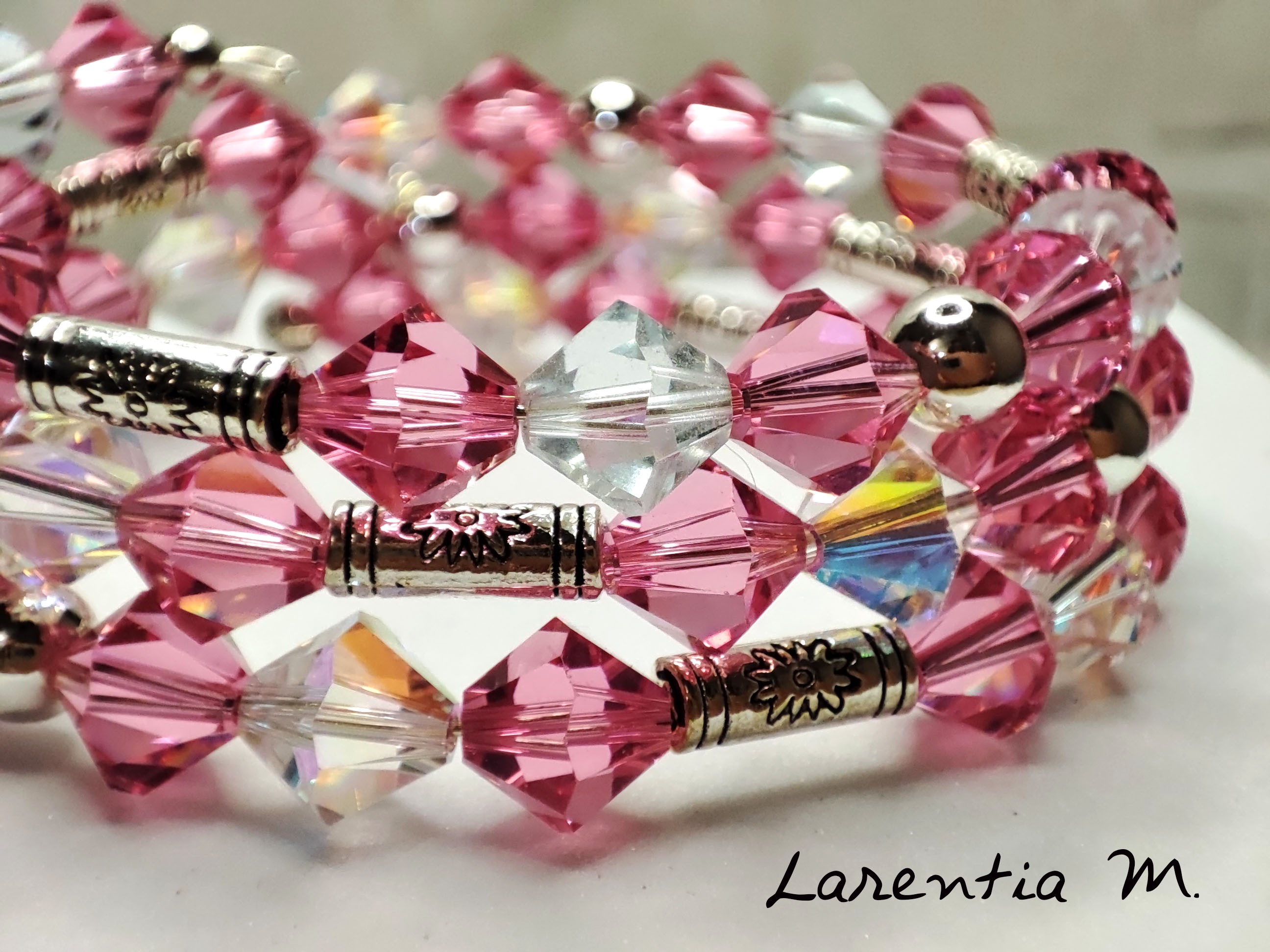 Crystal Beads: Millennial Treasures of Contemporary CraftsmanshipRead more
Crystal beads hold a special place in the world of handcrafted jewelry and home decor. These little marvels, the...
-
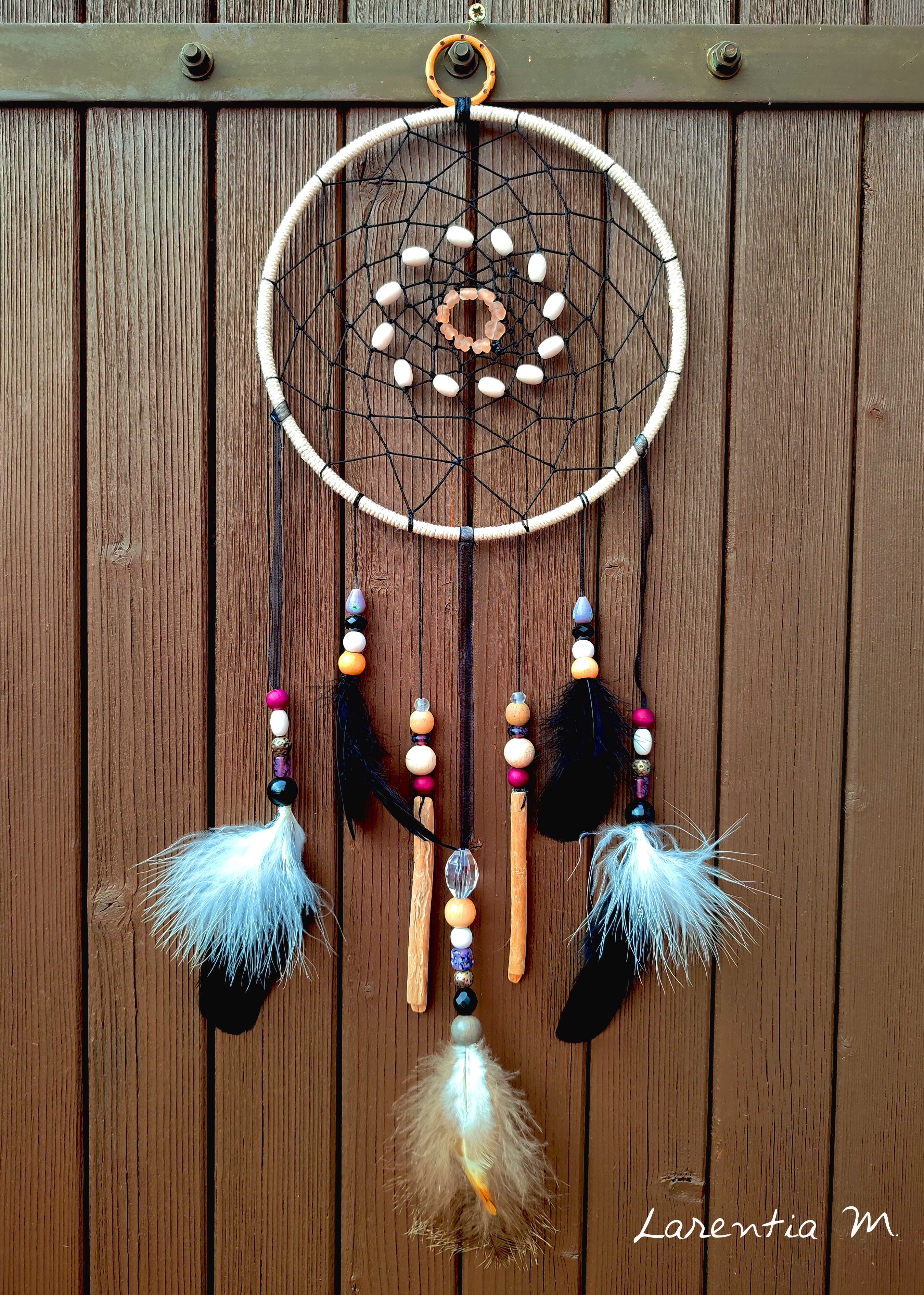 Dreamcatchers: History, Traditions and Handcrafted CreationRead more
The dreamcatcher is much more than just a decorative object. This handcrafted creation, originating in Native...
-
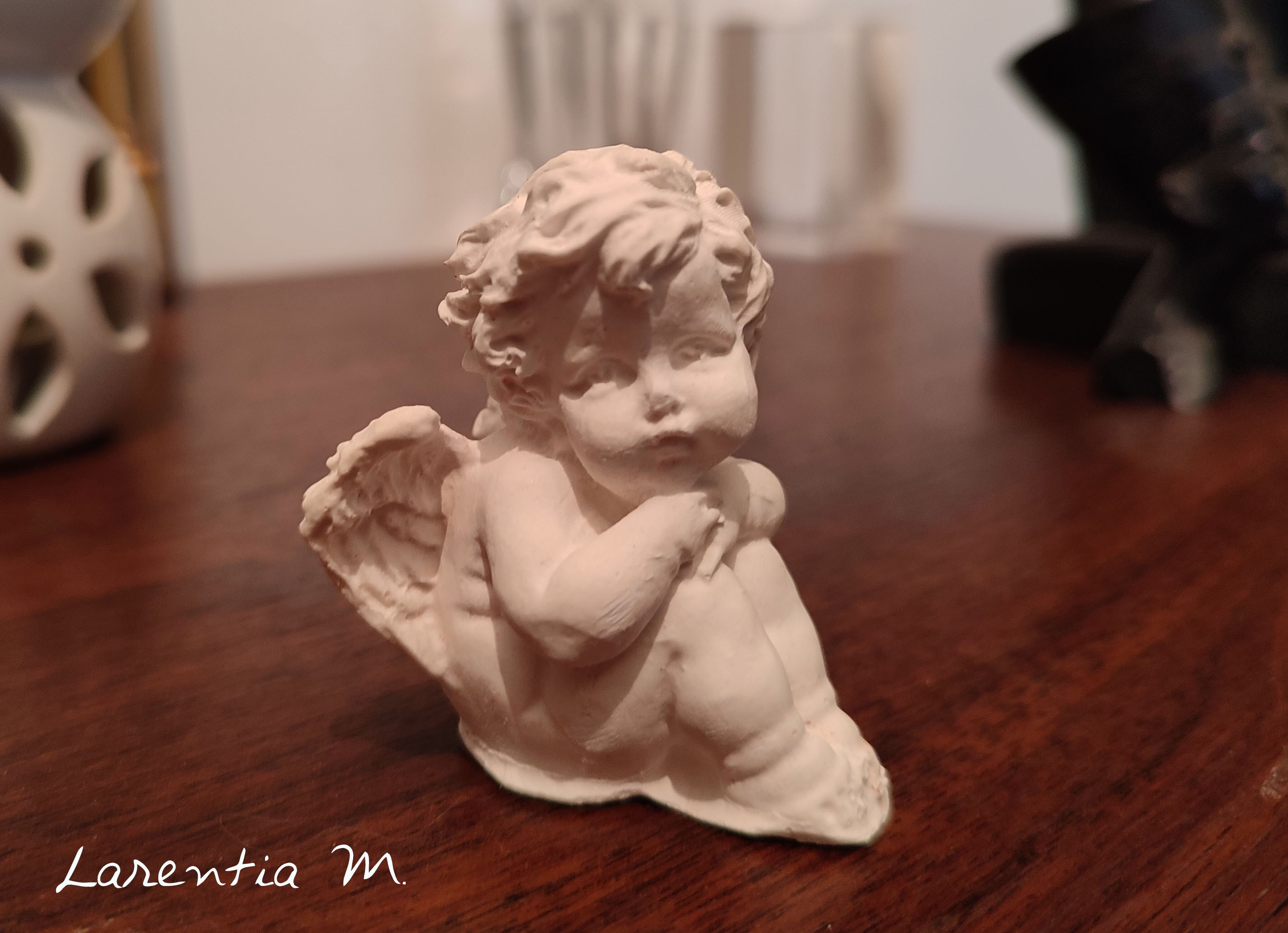 Angel Figurines: Between Celestial Tradition and Decorative ArtRead more
Angels, those beings of light who have populated our imaginations for millennia, are finding new expression in...
Blog categories
Search in blog
The Timeless Beauty of the Color Pink
The Timeless Beauty of Pink
Pink. This unique color instantly evokes tenderness, femininity, and delicacy. In the world of handcrafted creations, pink holds a special place, oscillating between timeless romanticism and confident modernity.
1) A Recent Color, Rare in Antiquity
Pink is very rare in nature. The rose (the flower) was never pink before the advancements in horticulture during the 17th and 18th centuries—it was white or red, then yellow. Pigs were never historically pink; they were reddish-brown. In Europe, before the 14th century, pink was rare in both material culture and artistic creation.
Initially considered a shade of red, the color pink originates from the Latin word "roseus," which refers to a light red. The word "rose" only appeared in the 17th and 18th centuries, just like the word "pink" in English. Between the 13th and 16th centuries, the term "incarnate" referred to the color of flesh.
A) Antiquity: A Masculine Color
Greece and Rome
The ancient Greeks already attributed this color to their sons, considering boys more productive than girls. During the Middle Ages and the Renaissance, this color was still very popular among men, as artistic representations show.
Pink was linked to red, the color of war, blood, and passion, which explains why it was worn by men. Jesus, Dante, and Henry IV all wore it with elegance. Henry IV was depicted dressed as Mars, the Roman god of war, in a painting from 1606, and even Christ wears pink in Bronzino's "Crucifixion" of 1545.
Ancient Symbolism
During the Hellenistic period, painters popularized bright pink, which can be seen notably on Boeotian figurines produced between 340 and 200 BC.
B) Eastern Civilizations
Japan
In Japan, pink serves as a nostalgic symbol of the slain samurai. In contemporary Japanese culture, pink is perceived as a masculine and somber color, representing young warriors who fall in battle while in full bloom.
Pink is associated with sakura (cherry blossoms) and has held a distinctly political significance since the end of World War II, as the Japanese government has included them among the essential criteria of Japaneseness.
Korea
In Korea, pink is interpreted as a sign of trust.
Pink cherry blossom
D) Middle Ages: Virility and Power
In the Middle Ages, pink was the symbol of virility in men. In the Roman Catholic Mass, the priest wears a rose-colored chasuble on the third Sunday of Advent and the fourth Sunday of Lent, as these are times of joy.
Until the 18th century, pink represented moderate power, spirituality, and beauty. Royal heirs were dressed in "little red" to prepare them for the royal color.
E) 18th Century: The Feminine Turn
The Influence of the Marquise de Pompadour
The Marquise de Pompadour found this pink "exquisitely delicate" and brought it to Versailles, inspiring the ladies of the court who began to imitate her by dressing their little girls in pink.
Pastel pink was favored by men and women of the European bourgeoisie, from Georgian dresses to the embroidered silk coats worn by the men of Louis XVI's court.
The Romantic Movement
In the 19th century, the Romantic movement changed the meaning of this color. Pink became the embodiment of tenderness, femininity, and gentleness. This is how the expression "a sentimental love story" was born.
rose petals
F) 20th Century: Commercial Feminization
In the 1980s, marketing strategies targeted children. "Girly" pink emerged. Marketers sought to amplify the differences between age and gender because they realized it sold better.
It was Mattel, with Barbie in the 1970s, that crystallized this dichotomy between blue for boys and pink for girls. Barbie will be colored pink, which wasn't the case when she was created in 1959.
2) The Magic of Pink: Creating Jewelry and Decorative Objects Imbued with Sweetness
The Timeless Beauty of the Color Pink
Pink. This unique color instantly evokes tenderness, femininity, and delicacy. In the world of handcrafted creations, pink occupies a special place, oscillating between timeless romanticism and confident modernity. Whether you're a jewelry designer, an interior decorator, or simply a lover of creative hobbies, pink offers an infinite palette of possibilities to express your artistic sensibility. Far from being a saccharine or outdated color, pink has reinvented itself over the years to establish itself as a bold and refined choice. From powder pink to vibrant fuchsia, and everything in between, there's a whole range of shades.
With its subtle blush, this chameleon shade adapts to all styles and creative desires.
Shades of Pink
Shades of Pink: A Rainbow of Possibilities
Before embarking on a creative project, it's essential to understand the richness of the shades offered by the pink family. Each shade tells a different story and evokes distinct emotions.
Powder Pink
Soft, soothing, and timeless, powder pink is a favorite for bohemian and romantic creations. This delicate shade adds a touch of subtle femininity without being over the top. In jewelry, it pairs beautifully with rose gold, antique brass, or silver. For home decor, powder pink creates cozy and serene atmospheres, perfect for bedrooms or relaxation spaces.
Rose Quartz
Inspired by the semi-precious stone, rose quartz possesses a unique translucent luminosity. This is the ideal shade for creations that combine spirituality and aesthetics. Whether in resin, glass, or with genuine rose quartz stones, this hue brings an energetic and soothing dimension to your creations.
Millennial Pink
This contemporary shade, popularized in the 2010s, lies between pink and beige. Sophisticated and modern, it is perfectly suited to minimalist and clean designs. Millennial pink allows you to create current pieces that appeal to a wide audience, beyond traditional pink enthusiasts.
Fuchsia and Magenta Pink
For bold designers who aren't afraid to express their personality, vibrant pinks like fuchsia or magenta bring punch and energy. These dazzling shades are perfect for statement jewelry, pop art decorations, or summer creations full of vitality.
Pastel Pink
Soft and childlike without being childish, pastel pink evokes the gentleness of spring and lightness. It lends itself particularly well to macrame creations, delicate jewelry, and shabby chic or Scandinavian decorative objects.
Creating Pink Jewelry: Materials and Techniques
Creating pink jewelry opens up a world of material possibilities. Here are a few approaches to incorporating this magical color into your creations.
Pink crystal bracelet
Pink Natural Stones
Rose quartz remains the undisputed star of pink stones. A stone of unconditional love according to crystal healing, it brings a spiritual dimension to your creations while offering incomparable natural beauty. Rhodonite, with its characteristic black veins, rhodochrosite with its white stripes, delicate morganite, or even transparent kunzite offer precious alternatives to diversify your creations.
Combine these stones with rose gold for a harmonious and luxurious look, or create interesting contrasts with oxidized silver for a more contemporary and edgy style.
Glass and Crystal Beads
Pink glass beads, whether opaque, translucent, or iridescent, allow you to play with light and create shimmering effects. Pink Swarovski crystals add a touch of glamour and incomparable sparkle. Feel free to mix different sizes and finishes to create depth and movement in your designs.
Resin and Polymer Clay
These malleable materials offer you complete creative freedom. Tint your resin with pink pigments to create translucent pendants that hold dried flowers or glitter. Pink polymer clay can be sculpted into unique beads, geometric pendants, or organic elements that mimic rose petals.
Polymer clay jewelry
Textile Materials
Pink velvet, satin, silk, or waxed cotton in shades of pink allow you to create contemporary textile jewelry. Fabric bracelets, lariat necklaces, or tassel earrings add a tactile and modern dimension to your creations.
Pink Heart Hanging Ornaments
Pink Decorative Objects: Enhance Your Interior
Pink in interior design was long confined to little girls' bedrooms. Fortunately, contemporary designers have freed this color from its constraints, transforming it into a sophisticated design element.
Macrame Wall Hangings
Powder pink or millennial pink macrame creates soft, bohemian wall hangings. Combine different shades of pink in a single piece to play with depth, or pair pink with off-white and beige for subtle harmony. Add pink-painted wooden beads or dyed feathers to personalize your creations.
Handmade Pink Candles
Pour candles in pink-tinted vegetable wax. Play with marbled patterns by mixing several shades, create ombré effects from white to dark pink, or sculpt candles into the shape of roses or female figures. Scent them with rose.
Posted in:
Histoire et Origines de objets ou bijoux
Related posts
-
 Handcrafted Earrings: A Journey Through Time and Cultures
Earrings, far more than a simple accessory, are timeless adornments that tell a story. From ancient civilizations to...Read more
Handcrafted Earrings: A Journey Through Time and Cultures
Earrings, far more than a simple accessory, are timeless adornments that tell a story. From ancient civilizations to...Read more -
Angel Figurines: Between Celestial Tradition and Decorative Art
Angels, those beings of light who have populated our imaginations for millennia, are finding new expression in...Read more
-
Dreamcatchers: History, Traditions and Handcrafted Creation
The dreamcatcher is much more than just a decorative object. This handcrafted creation, originating in Native...Read more
-
Crystal Beads: Millennial Treasures of Contemporary Craftsmanship
Crystal beads hold a special place in the world of handcrafted jewelry and home decor. These little marvels, the...Read more
-
Decorative Pumpkins: An Ancient Art That Brightens Our Interiors
The decorative pumpkin is much more than just a symbol of autumn. This humble gourd has traveled through centuries...Read more
Leave a comment