
When we think of "survivalism," we often picture a hermit hidden deep in the woods, clad in camouflage and chopping...
Latest posts
-
 Why prepare for a crisis in the city: the complete beginner's guideRead more
 -
 Emergency Food Stockpile: The 10 Essential Foods in a CrisisRead more
In a world where economic, geopolitical, and climate uncertainties regularly make headlines, the issue of food...
-
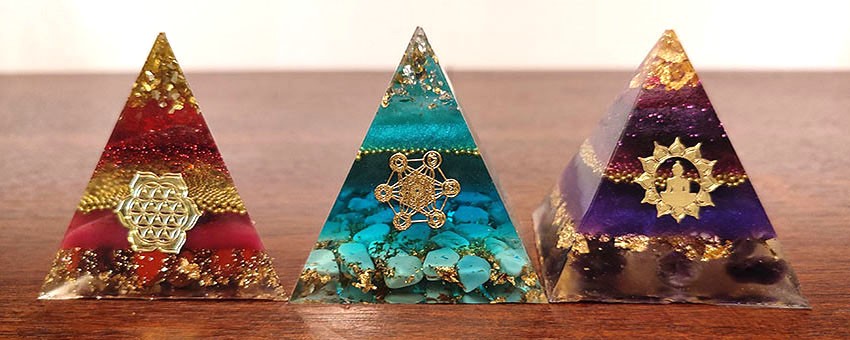 Orgonite pyramids: between craftsmanship, energy and symbolismRead more
Jewelry, decorative objects, energy generators... Orgonite pyramids fascinate as much as they raise questions. An...
-
 The Timeless Beauty of the Color PinkRead more
Pink. This unique color instantly evokes tenderness, femininity, and delicacy. In the world of handcrafted creations,...
-
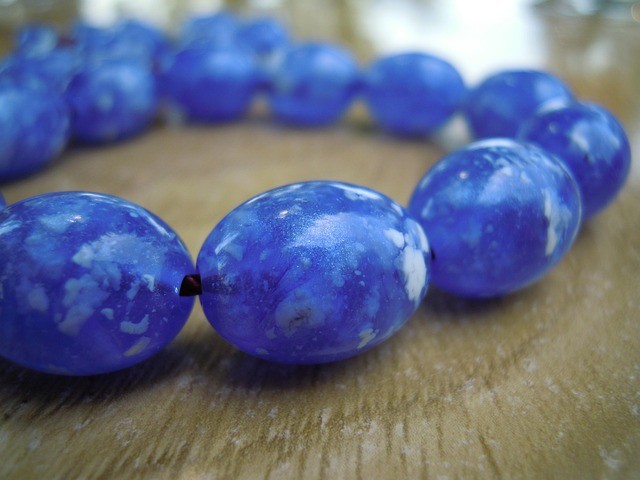 The Kombolois: The Ancestral Art of Mediterranean Bead StringsRead more
In the fascinating world of traditional handcrafted objects, komboloi hold a special place. These strings of beads,...
-
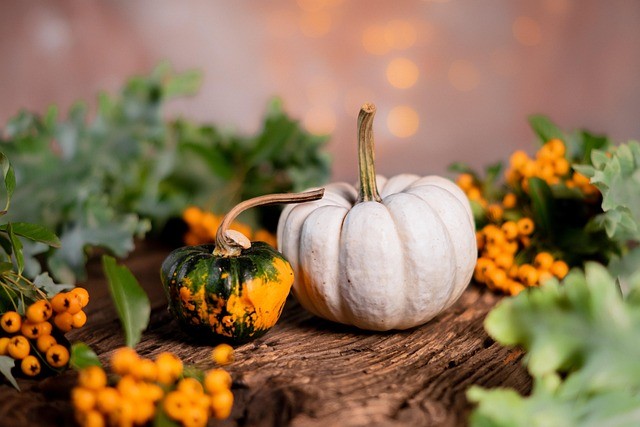 Decorative Pumpkins: An Ancient Art That Brightens Our InteriorsRead more
The decorative pumpkin is much more than just a symbol of autumn. This humble gourd has traveled through centuries...
-
 The essential materials for getting started in scrapbooking: your creative starter kitRead more
Scrapbooking, the art of creative layout that showcases photos and memories in personalized albums, is attracting a...
-
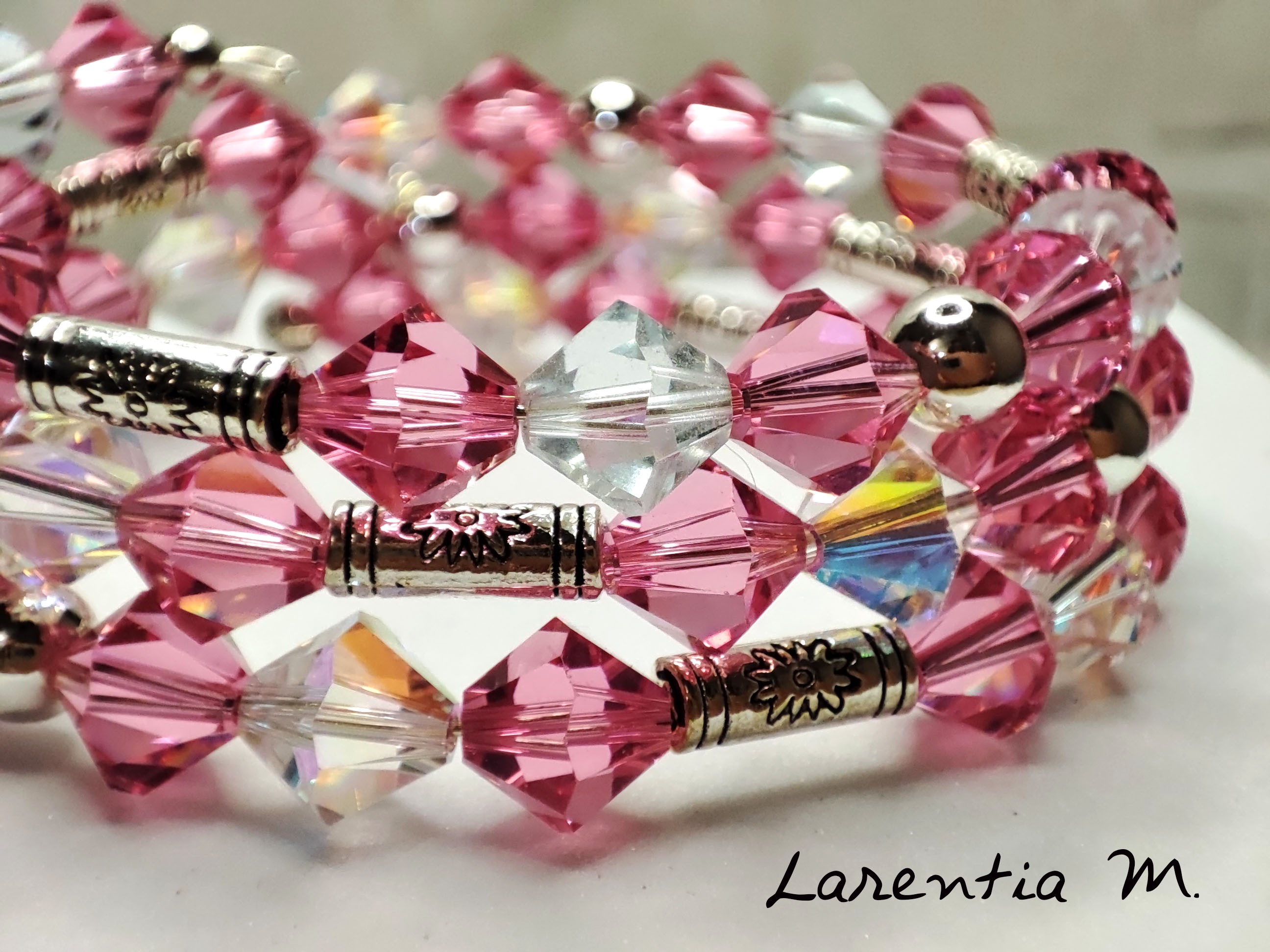 Crystal Beads: Millennial Treasures of Contemporary CraftsmanshipRead more
Crystal beads hold a special place in the world of handcrafted jewelry and home decor. These little marvels, the...
-
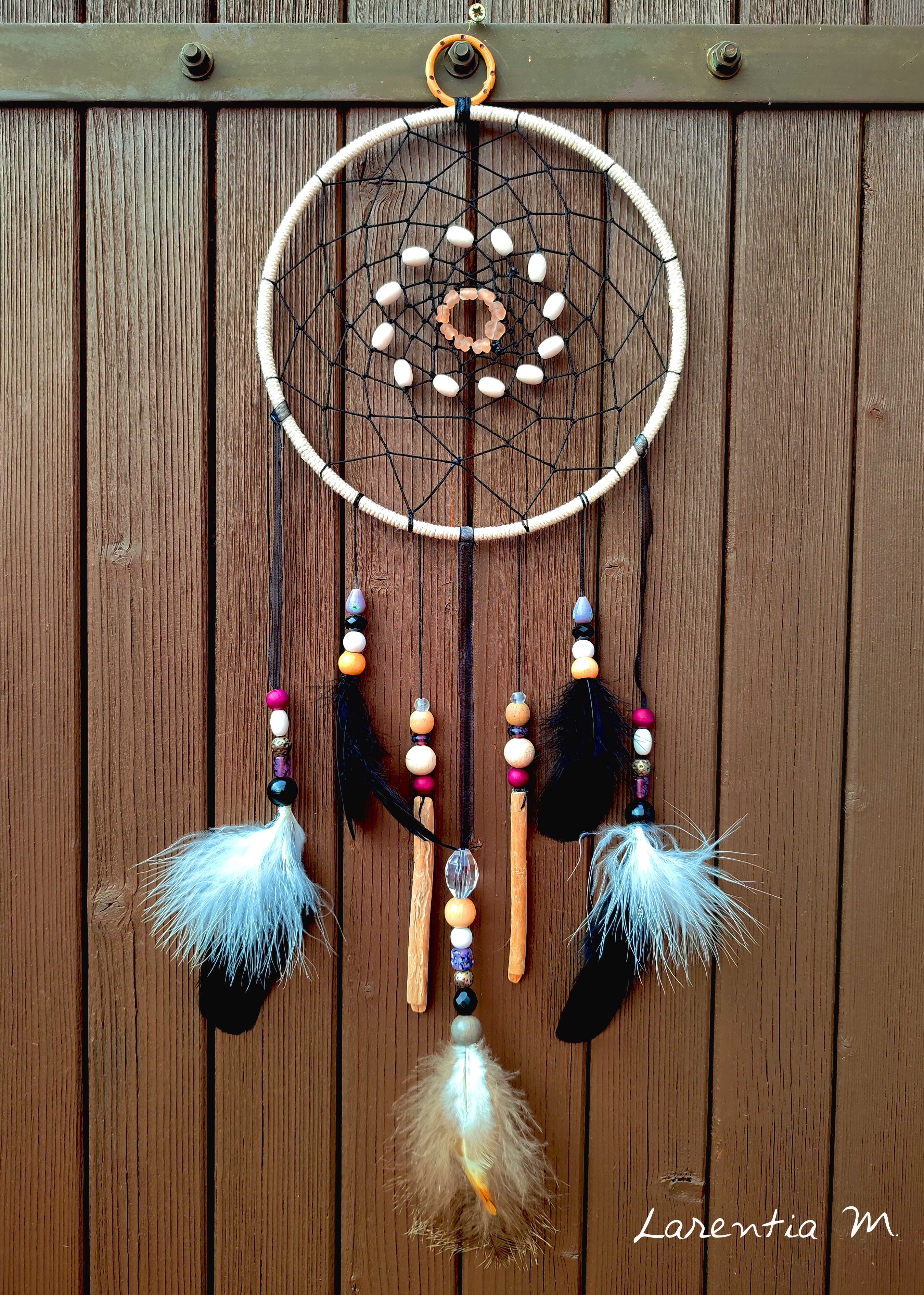 Dreamcatchers: History, Traditions and Handcrafted CreationRead more
The dreamcatcher is much more than just a decorative object. This handcrafted creation, originating in Native...
-
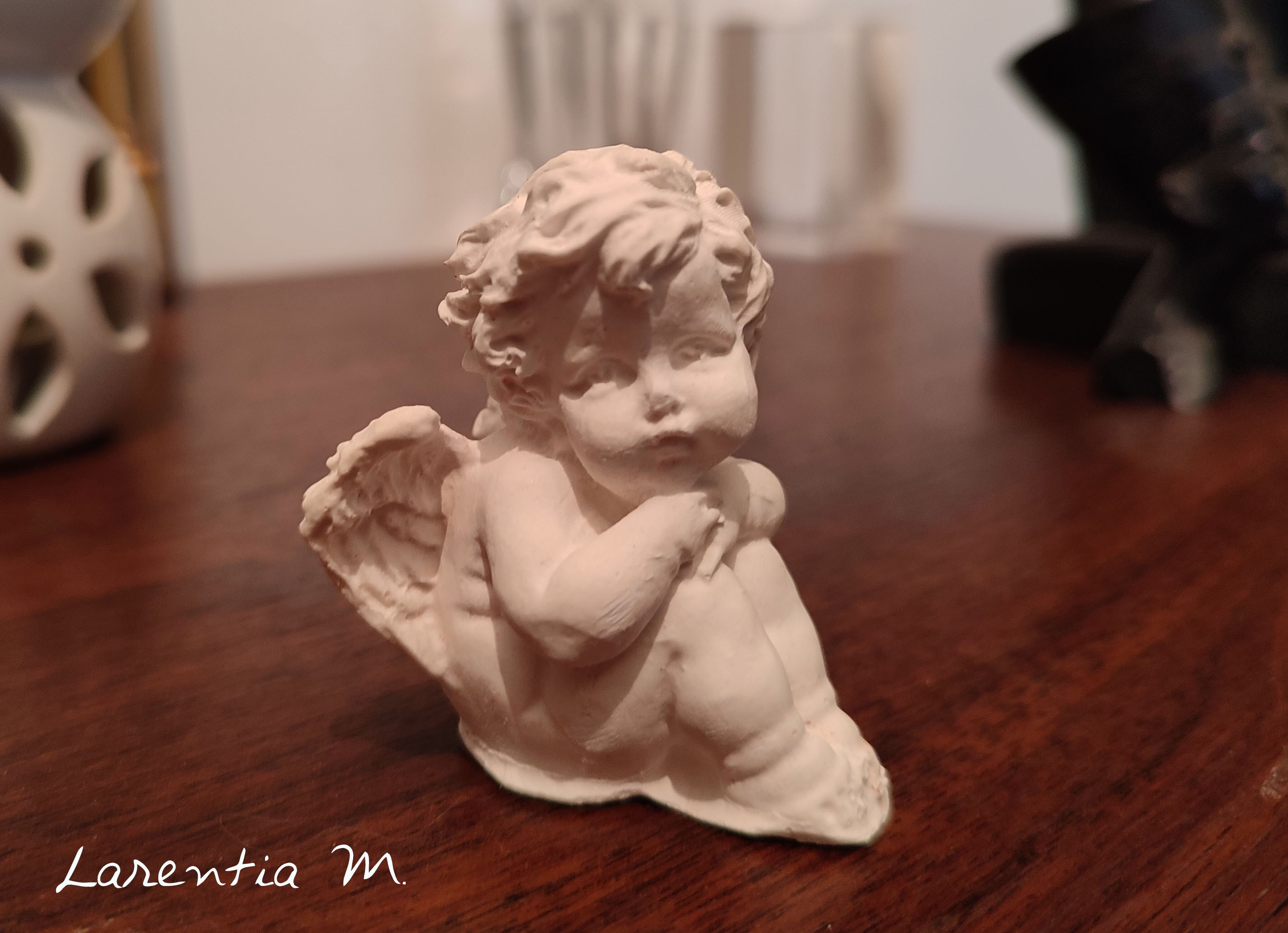 Angel Figurines: Between Celestial Tradition and Decorative ArtRead more
Angels, those beings of light who have populated our imaginations for millennia, are finding new expression in...
Blog categories
Search in blog
The symbolism of the color red
Red, a hue that captivates the eye and ignites the imagination. Far more than a simple color, red carries a powerful and universal symbolic charge, traversing history and cultures with rare intensity.
Historically, red was one of the first colors mastered by humankind.
Natural pigments, extracted from ochre, cinnabar, or kermes, were precious, and their use was often reserved for elites or important rituals. In ancient Egypt, red was associated with life, health, and victory, coloring protective amulets and the adornments of the pharaohs. The Romans, for their part, linked it to Mars, the god of war, and wore red togas as a sign of power and authority.
In medieval Europe, the symbolism of red became more complex. The color of the blood of Christ and the martyrs, it represented passion, sacrifice, and fervent faith in a religious context. However, it is also associated with royalty, nobility, and luxury, dyeing the sumptuous clothing and coats of arms of powerful families. Red thus becomes a strong social marker, distinguishing the privileged from the rest of the population.
Around the world, red carries equally varied and profound meanings. In China, it is the color of luck, prosperity, happiness, and celebration. It is ubiquitous at weddings, New Year's celebrations, and in temple decorations. In India, red is the color of the goddess Durga, a symbol of strength and protection, and it is worn by young brides as a sign of fertility and marital bliss. In some African cultures, red can symbolize life, death, or transition, depending on the specific context and traditions.
Today, the symbolism of red remains vibrant and multifaceted. It still evokes passion, love, desire, and energy. It is the color of the heart, of the blood that flows in our veins, of vitality and strength. But it can also represent danger, prohibition, and aggression. This duality makes it a particularly expressive color in the realm of handcrafted creations.
For a jewelry designer, the use of red stones such as ruby, garnet, or carnelian can imbue a piece with an aura of passion and vitality. A pendant adorned with a touch of red can become a symbol of love and affection. Red earrings can add a bold and assertive note to an outfit. The way in which red is incorporated, its shade, its texture, and the materials with which it is combined will modulate its symbolic impact.
In the creation of decorative objects, red can bring a touch of warmth, dynamism, and energy to an interior. A red vase can become a powerful focal point in a room. Cushions with red patterns can instill a passionate and welcoming atmosphere. Red decorative elements, whether in ceramic, painted wood, or fabric, can tell a story, evoke an emotion, or assert a style.
The creative artisan must be aware of this symbolic richness to use red intentionally and meaningfully. By understanding the various cultural and historical connotations of this color, they can create pieces that resonate with the emotions and aspirations of those who acquire them. Red is not just a color; it is a powerful visual language, capable of conveying subtle and profound messages.
By exploring the nuances of red, from vibrant vermilion to deep burgundy, and by playing with textures and material combinations, the artisan can bring to life unique and meaningful creations. A piece of jewelry adorned with a delicate touch of red can become a personal talisman, a bearer of love and strength. A decorative object with red accents can transform a space into a vibrant and inspiring place.
The symbolism of red is a fascinating thread that connects the past to the present, cultures to one another, and the artisan to their audience. By mastering this colorful language, jewelry and decorative object designers can transcend mere aesthetics and offer pieces that speak to the heart and soul. Red, in all its splendor and complexity, continues to inspire and enchant, providing fertile ground for artistic expression and the creation of meaning.
Posted in:
Spirituality and Well-being
Related posts
-
 What are Chakras?
Meaning of the 7 Chakras: What are the 7 Chakras, what do they symbolize? Why do the chakras close or vibrate?...Read more
What are Chakras?
Meaning of the 7 Chakras: What are the 7 Chakras, what do they symbolize? Why do the chakras close or vibrate?...Read more -
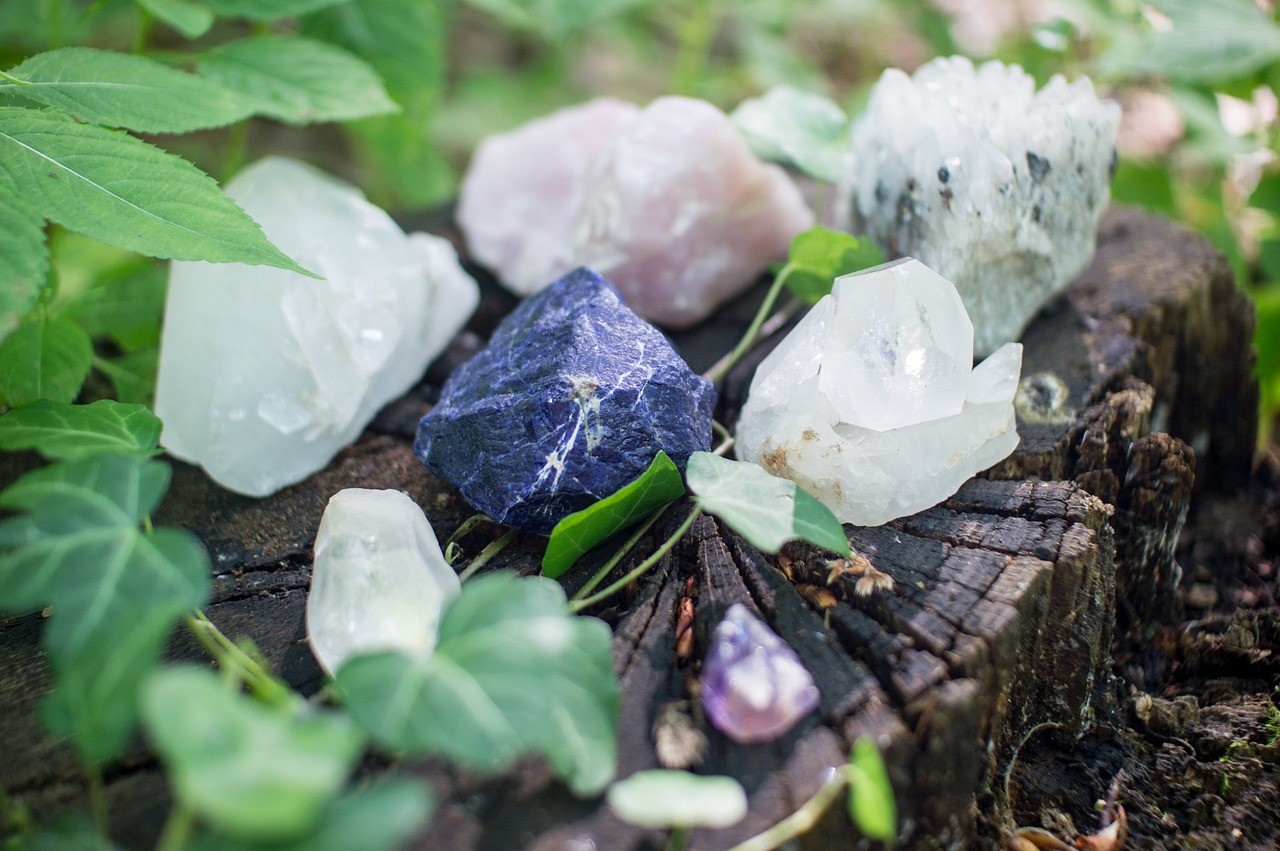 Lithotherapy: how does it work?
Lithotherapy: journey to the heart of stones and their energies Lithotherapy, an ancestral practice which is...Read more
Lithotherapy: how does it work?
Lithotherapy: journey to the heart of stones and their energies Lithotherapy, an ancestral practice which is...Read more -
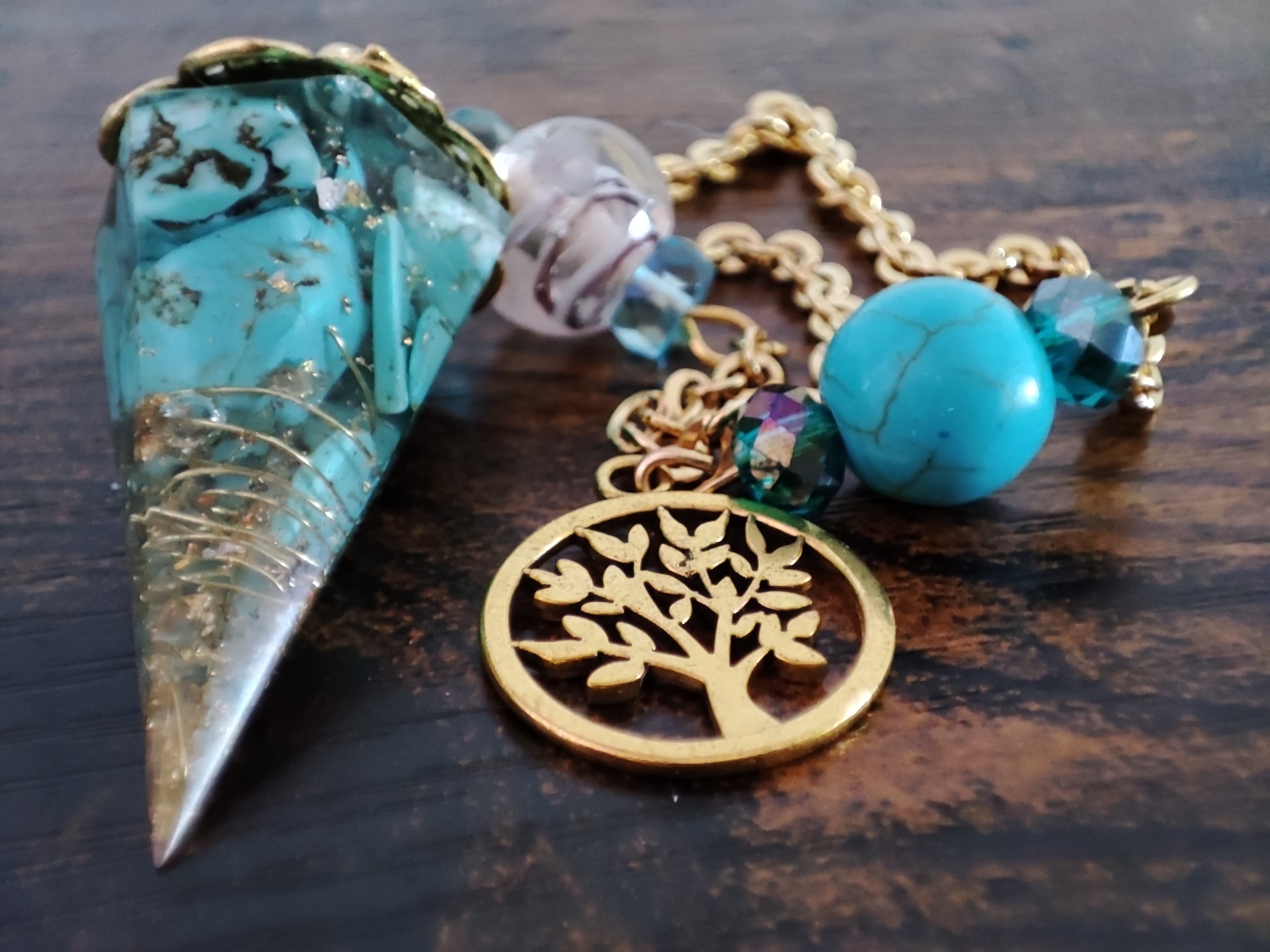 How to use a divining pendulum?
Pendulums are fascinating tools, which have been used for centuries for various divinatory and healing practices....Read more
How to use a divining pendulum?
Pendulums are fascinating tools, which have been used for centuries for various divinatory and healing practices....Read more -
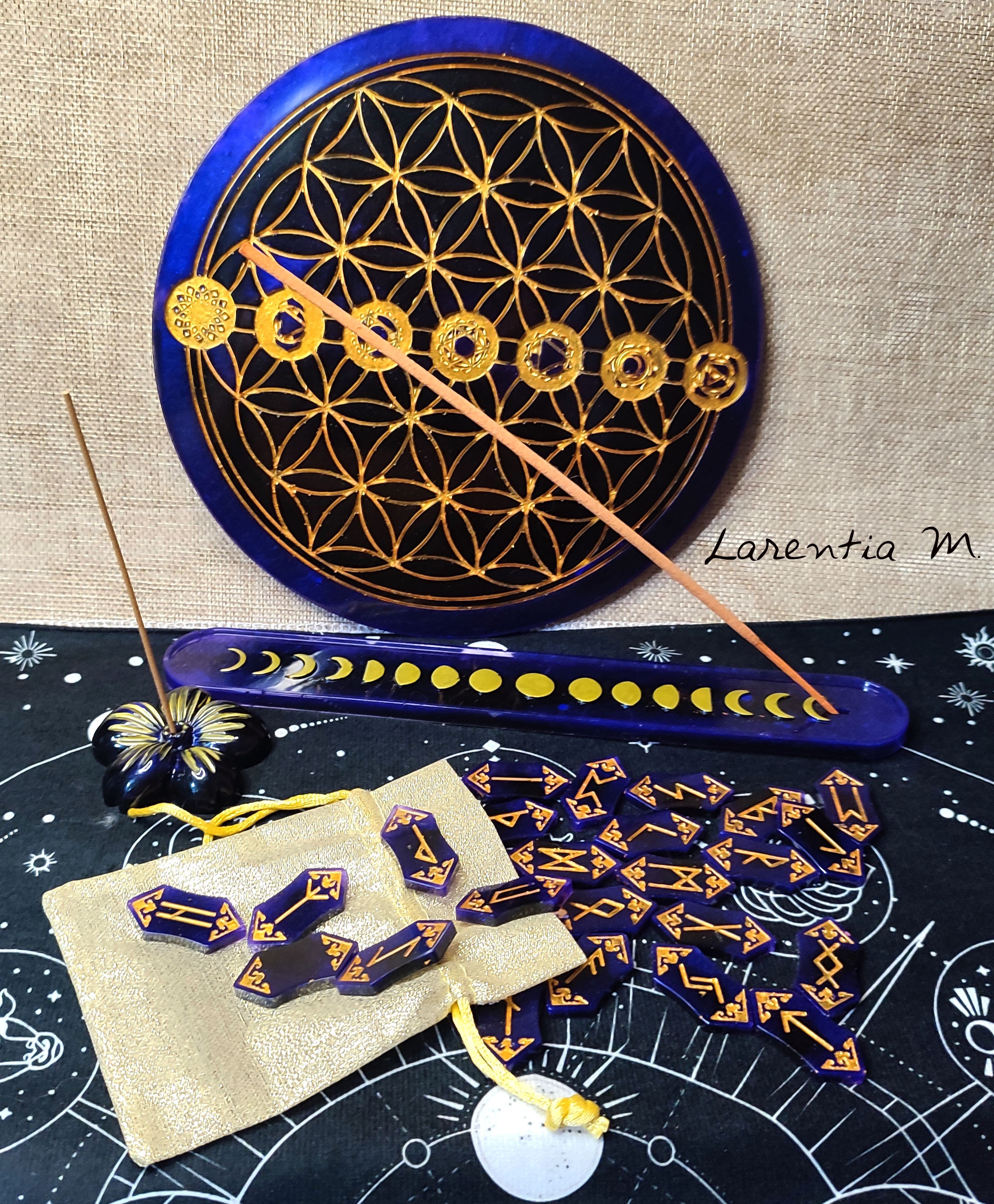 What is the flower of life? Spirituality objects and guidance on order!
The Flower of Life: A Universal and Eternal Symbol. My creations of objects linked to spirituality, to order:...Read more
What is the flower of life? Spirituality objects and guidance on order!
The Flower of Life: A Universal and Eternal Symbol. My creations of objects linked to spirituality, to order:...Read more -
 The symbolism of the color "Blue"
The color blue, omnipresent in our environment, possesses a rich symbolism that transcends ages and civilizations....Read more
The symbolism of the color "Blue"
The color blue, omnipresent in our environment, possesses a rich symbolism that transcends ages and civilizations....Read more
Leave a comment