
When we think of "survivalism," we often picture a hermit hidden deep in the woods, clad in camouflage and chopping...
Latest posts
-
 Why prepare for a crisis in the city: the complete beginner's guideRead more
 -
 Emergency Food Stockpile: The 10 Essential Foods in a CrisisRead more
In a world where economic, geopolitical, and climate uncertainties regularly make headlines, the issue of food...
-
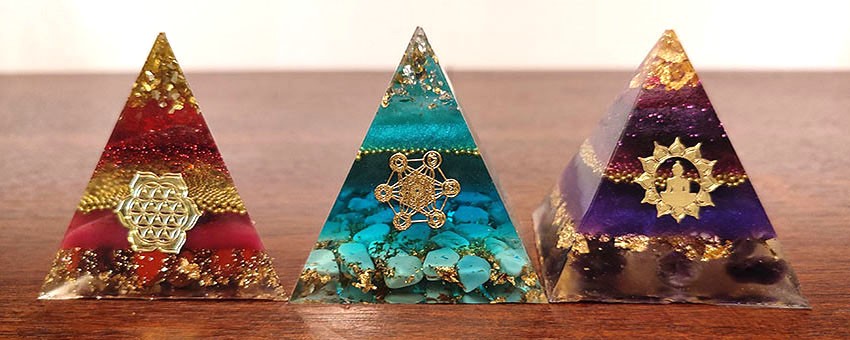 Orgonite pyramids: between craftsmanship, energy and symbolismRead more
Jewelry, decorative objects, energy generators... Orgonite pyramids fascinate as much as they raise questions. An...
-
 The Timeless Beauty of the Color PinkRead more
Pink. This unique color instantly evokes tenderness, femininity, and delicacy. In the world of handcrafted creations,...
-
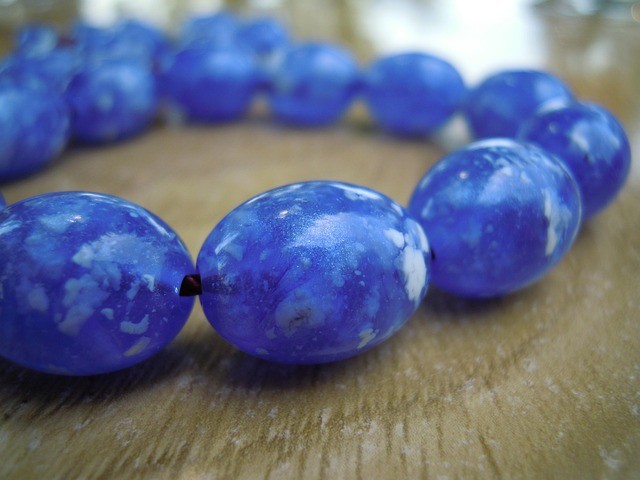 The Kombolois: The Ancestral Art of Mediterranean Bead StringsRead more
In the fascinating world of traditional handcrafted objects, komboloi hold a special place. These strings of beads,...
-
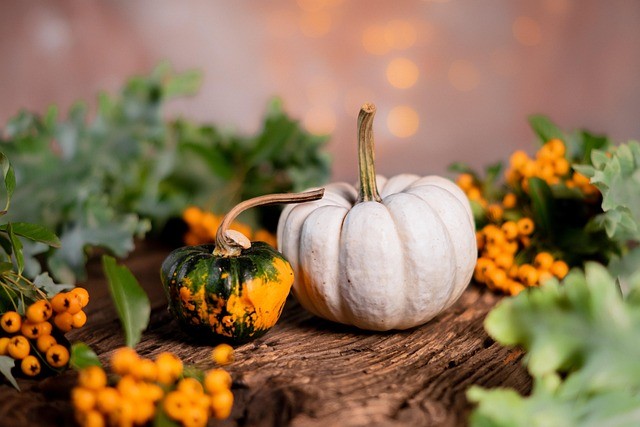 Decorative Pumpkins: An Ancient Art That Brightens Our InteriorsRead more
The decorative pumpkin is much more than just a symbol of autumn. This humble gourd has traveled through centuries...
-
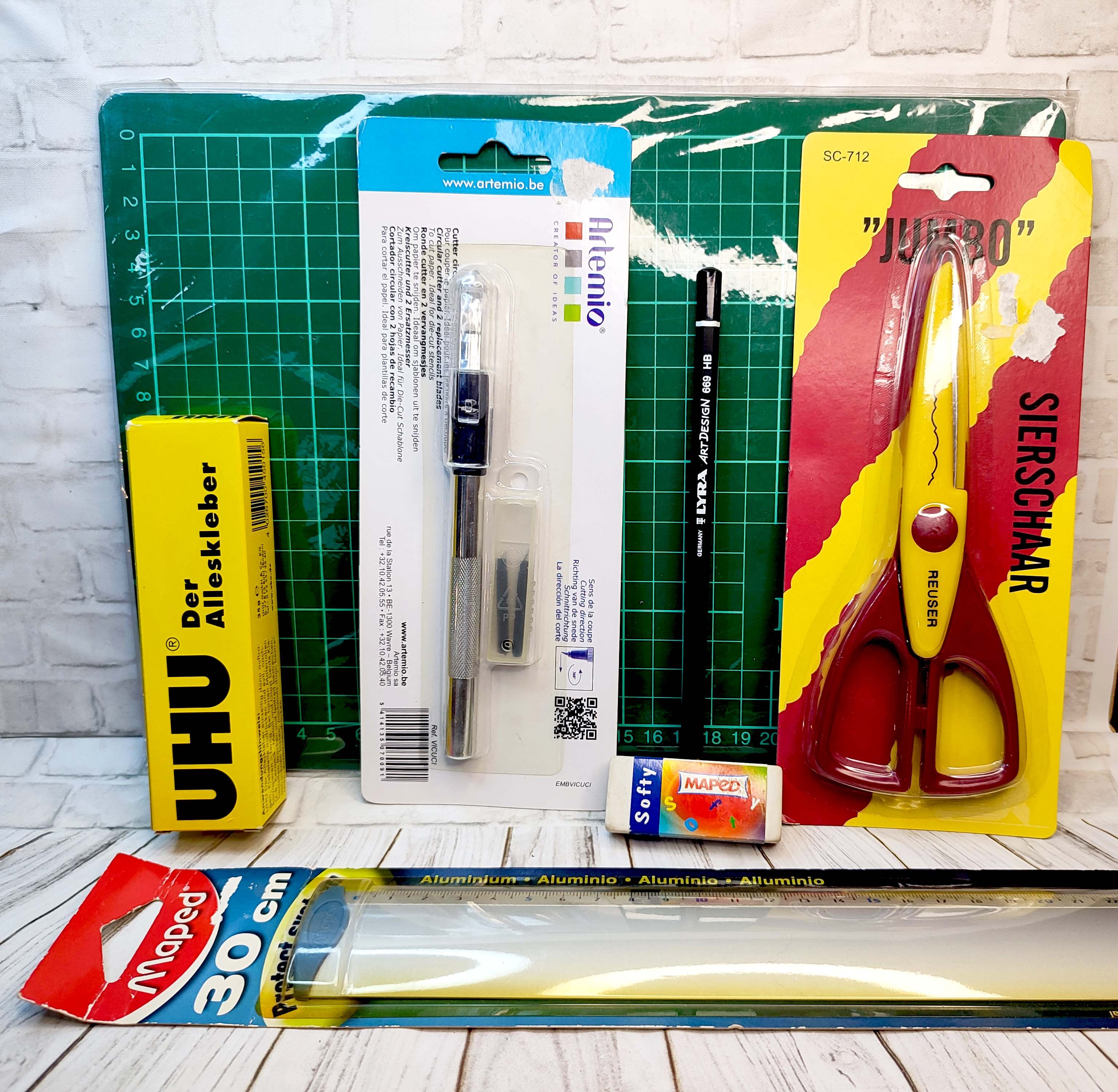 The essential materials for getting started in scrapbooking: your creative starter kitRead more
Scrapbooking, the art of creative layout that showcases photos and memories in personalized albums, is attracting a...
-
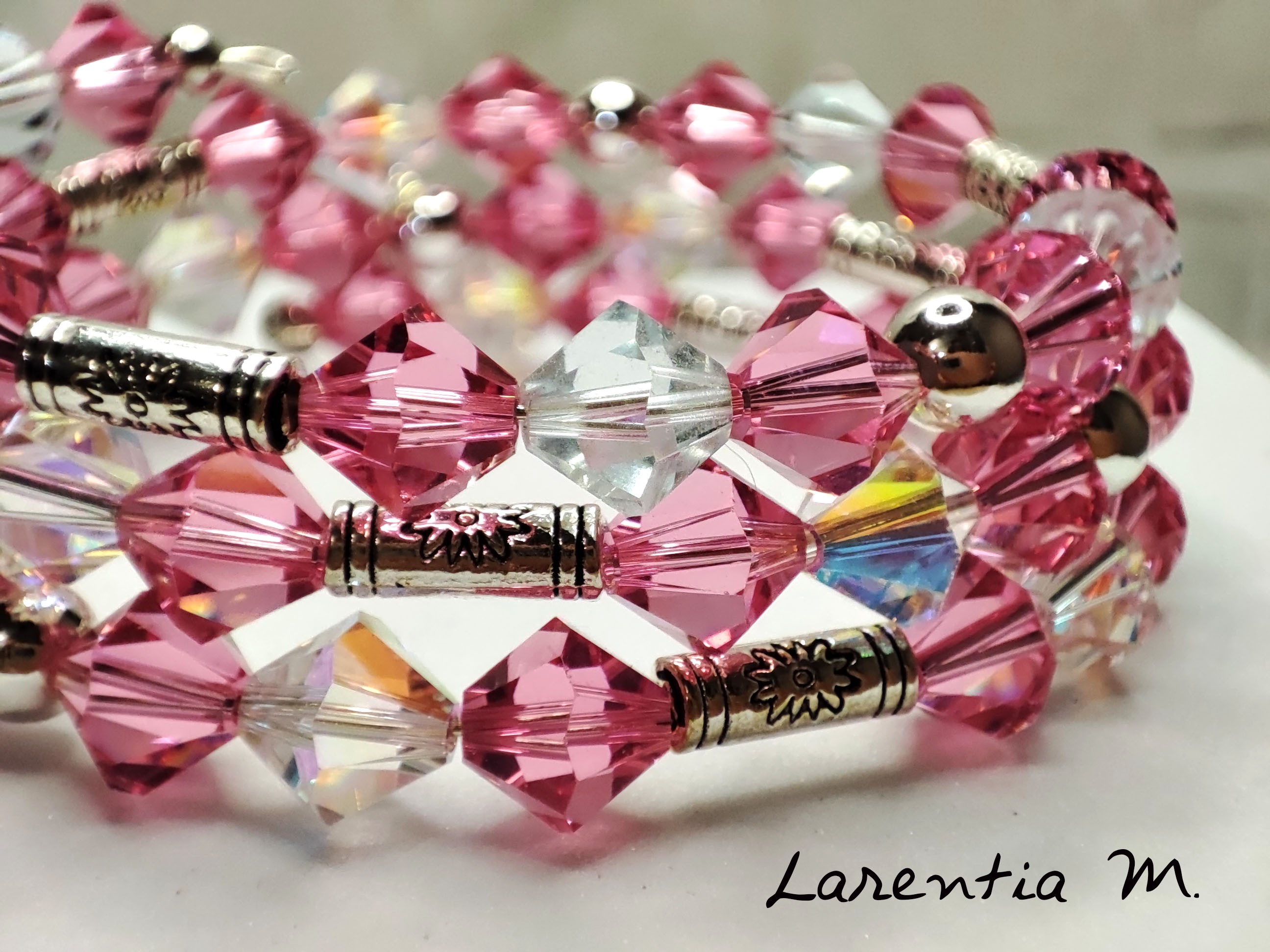 Crystal Beads: Millennial Treasures of Contemporary CraftsmanshipRead more
Crystal beads hold a special place in the world of handcrafted jewelry and home decor. These little marvels, the...
-
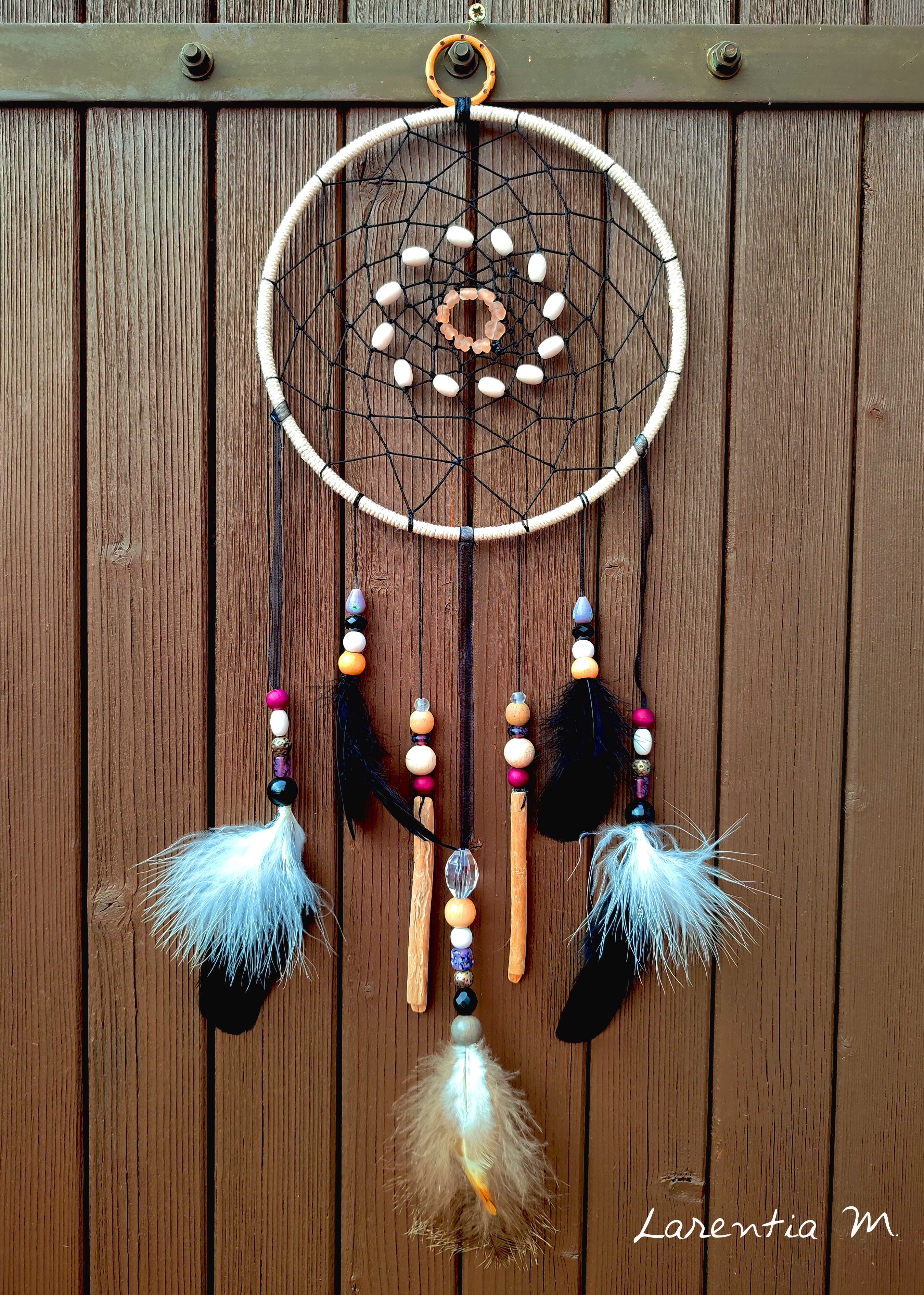 Dreamcatchers: History, Traditions and Handcrafted CreationRead more
The dreamcatcher is much more than just a decorative object. This handcrafted creation, originating in Native...
-
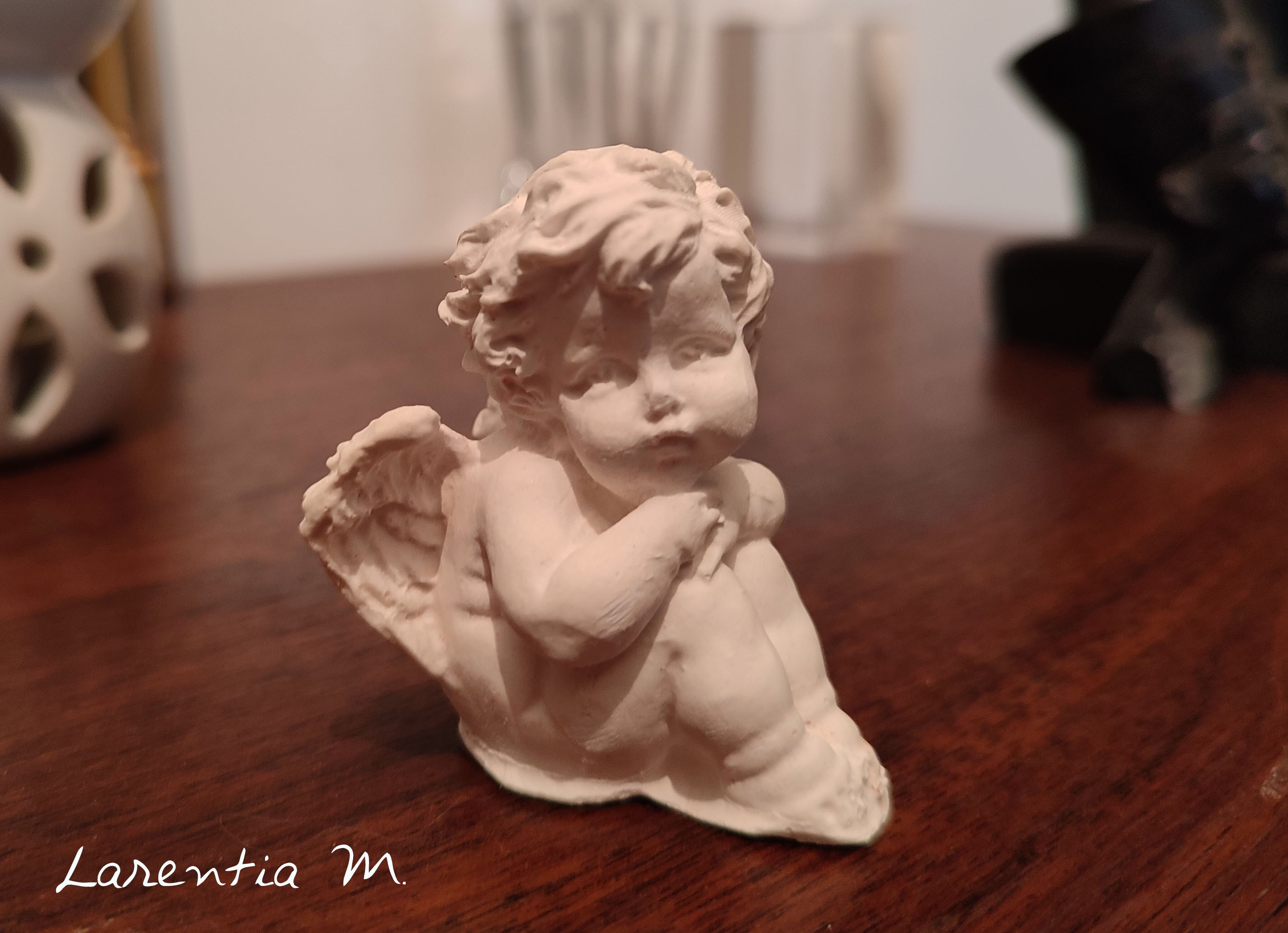 Angel Figurines: Between Celestial Tradition and Decorative ArtRead more
Angels, those beings of light who have populated our imaginations for millennia, are finding new expression in...
Blog categories
Search in blog
The Echo of Awakening: Buddha in Contemporary Craftsmanship
In the turmoil of our modern lives, the search for serenity and profound meaning is a universal quest. Craftsmanship, with its ability to transform raw materials into objects imbued with history and intention, offers a refuge and a means of expressing this aspiration. Among the spiritual themes that inspire creators worldwide, the figure of Buddha holds a special place, rich in a history spanning millennia and possessing a timeless spiritual depth.
The story of Buddha, Siddhartha Gautama:
A prince of Kapilavastu, born in Nepal approximately 2,500 years ago, is one of a quest for enlightenment. Confronted with the suffering inherent in human existence—illness, old age, and death—he renounced his princely life to seek a path to liberation. After years of asceticism and meditation, he attained enlightenment under the Bodhi tree, becoming the Buddha, "the Awakened One." His teachings, centered on the Four Noble Truths and the Noble Eightfold Path, offer a roadmap for transcending suffering and attaining inner peace.
The Buddha's influence has extended beyond the borders of India, spreading throughout Asia and inspiring generations of practitioners, artists, and artisans. Buddhist iconography, rich in symbols and representations, has become an inexhaustible source of inspiration for the creation of sacred and decorative objects. Statues of the Buddha, in their many postures (mudras) expressing specific states of mind and teachings, are among the most iconic representations. The raised right hand in abhaya mudra (fearlessness), the hand in dhyana mudra (meditation), or the reclining posture of the Buddha (parinirvana) are all motifs laden with meaning.
Beyond statues, Buddhist symbols such as the lotus (purity and enlightenment), the Dharma wheel (teaching), the eyes of Buddha (omniscience), and sacred mantras (formulas of spiritual power) are found in a variety of handcrafted objects. From malas (prayer beads) to thangkas (religious paintings), and including singing bowls and prayer wheels, each object carries within it a part of the spiritual richness of Buddhism. The materials used, often natural such as wood, stone, metal, or seeds, add an organic and earthy dimension to these creations.
In the context of contemporary jewelry and decorative crafts:
Buddhist inspiration manifests itself in diverse and creative ways. Artisans draw on this rich heritage to design pieces that are not only aesthetically pleasing but also carry spiritual significance. A pendant depicting a serene Buddha can become a constant reminder of the inner peace to cultivate. Earrings adorned with symbols of luck and protection can be worn as personal talismans. A decorative object depicting a lotus can bring a touch of serenity and hope to a home.
The appeal of Buddhist aesthetics lies in its elegant simplicity and harmony. Clean lines, often soft colors, and natural materials create an atmosphere of calm and contemplation. Incorporating these elements into handcrafted creations allows for the creation of objects that resonate with a growing desire for spirituality and well-being in the modern world.
For the artisan, working with the Buddha theme is not simply about reproducing forms and symbols. It is also an opportunity to explore their own spirituality and convey a message through their work. Each piece becomes a meditation in itself, a creative process imbued with intention and respect for tradition. The choice of materials, the precision of the gestures, and the attention to detail all contribute to infusing the object with a special energy.
Authenticity is a key value in Buddhist-inspired crafts. Creators who pursue this path often seek to understand the deeper meaning of the symbols and imagery they use. They may draw inspiration from sacred texts, meditative practices, or encounters with spiritual communities to fuel their creativity and ensure their creations are respectful of tradition.
The growing popularity of mindfulness and meditation practices in the Western world has also contributed to the interest in Buddhist-inspired objects. These creations are not merely seen as decorations, but as aids to reflection and spiritual connection. A mala can accompany a meditation session, a singing bowl can create an atmosphere conducive to relaxation, and a Buddha statue can serve as a focal point for contemplation.
In conclusion, the integration of the Buddha theme The rise of handcrafted jewelry and decorative objects is more than just an aesthetic trend. It reflects a deep interest in age-old wisdom and a desire to cultivate inner peace and spirituality in our lives. For artisans, it's an invitation to explore a rich cultural and spiritual heritage, to create meaningful objects, and to share an echo of awakening with the world. Each piece, crafted with care and intention, becomes a bridge between history, spirituality, and the beauty of contemporary craftsmanship.
Posted in:
Spirituality and Well-being
Related posts
-
 What are Chakras?
Meaning of the 7 Chakras: What are the 7 Chakras, what do they symbolize? Why do the chakras close or vibrate?...Read more
What are Chakras?
Meaning of the 7 Chakras: What are the 7 Chakras, what do they symbolize? Why do the chakras close or vibrate?...Read more -
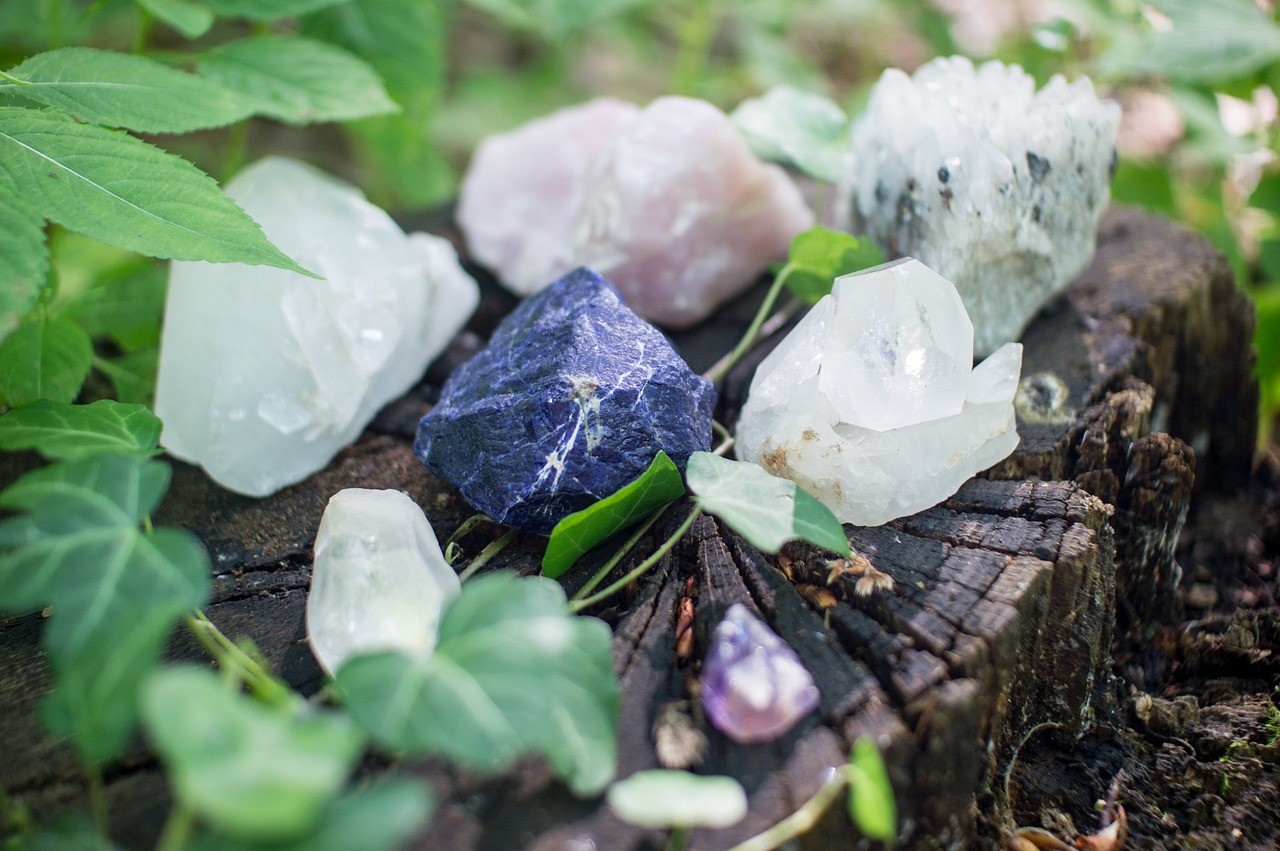 Lithotherapy: how does it work?
Lithotherapy: journey to the heart of stones and their energies Lithotherapy, an ancestral practice which is...Read more
Lithotherapy: how does it work?
Lithotherapy: journey to the heart of stones and their energies Lithotherapy, an ancestral practice which is...Read more -
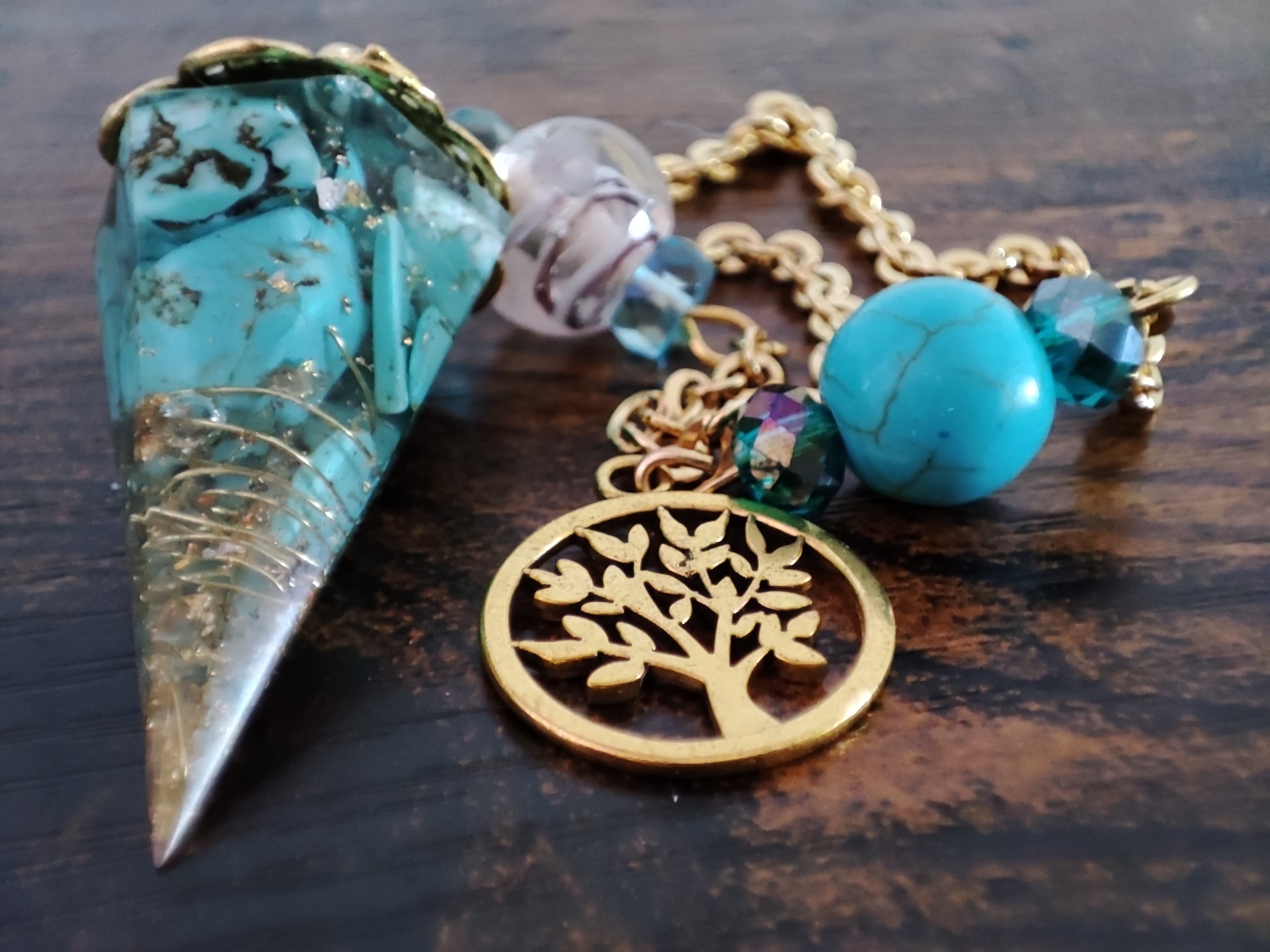 How to use a divining pendulum?
Pendulums are fascinating tools, which have been used for centuries for various divinatory and healing practices....Read more
How to use a divining pendulum?
Pendulums are fascinating tools, which have been used for centuries for various divinatory and healing practices....Read more -
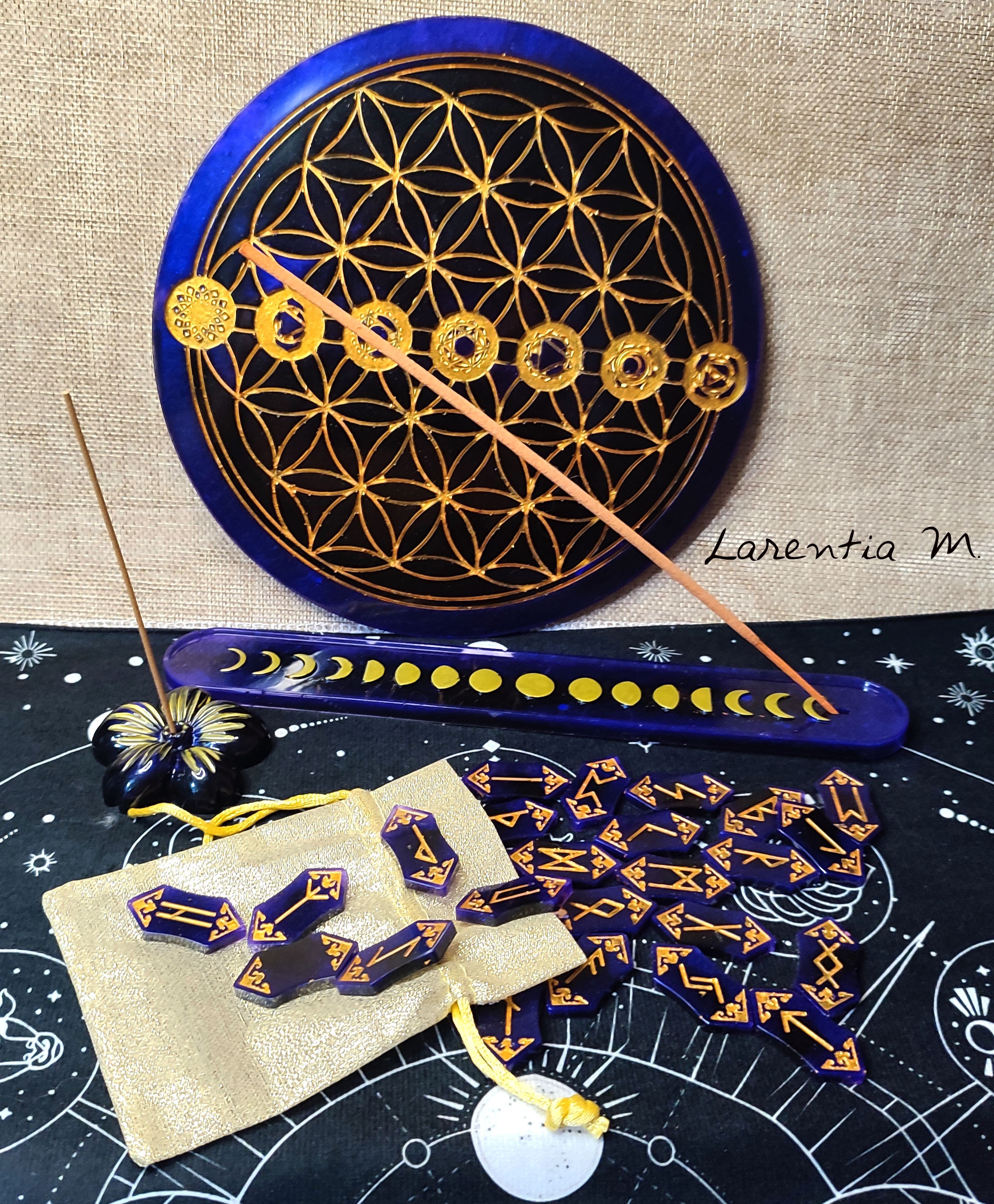 What is the flower of life? Spirituality objects and guidance on order!
The Flower of Life: A Universal and Eternal Symbol. My creations of objects linked to spirituality, to order:...Read more
What is the flower of life? Spirituality objects and guidance on order!
The Flower of Life: A Universal and Eternal Symbol. My creations of objects linked to spirituality, to order:...Read more -
 The symbolism of the color "Blue"
The color blue, omnipresent in our environment, possesses a rich symbolism that transcends ages and civilizations....Read more
The symbolism of the color "Blue"
The color blue, omnipresent in our environment, possesses a rich symbolism that transcends ages and civilizations....Read more
Leave a comment