
When we think of "survivalism," we often picture a hermit hidden deep in the woods, clad in camouflage and chopping...
Latest posts
-
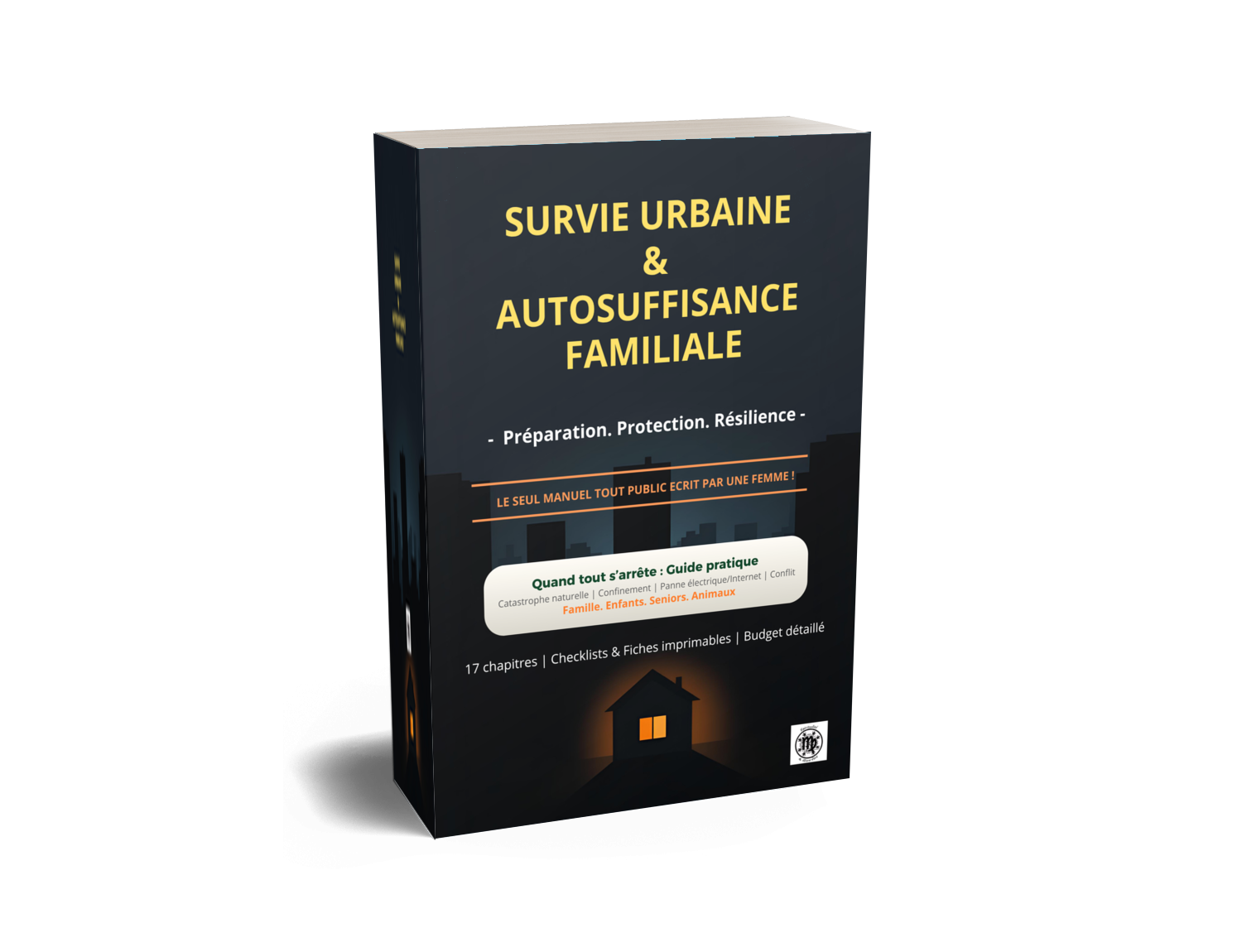 Why prepare for a crisis in the city: the complete beginner's guideRead more
 -
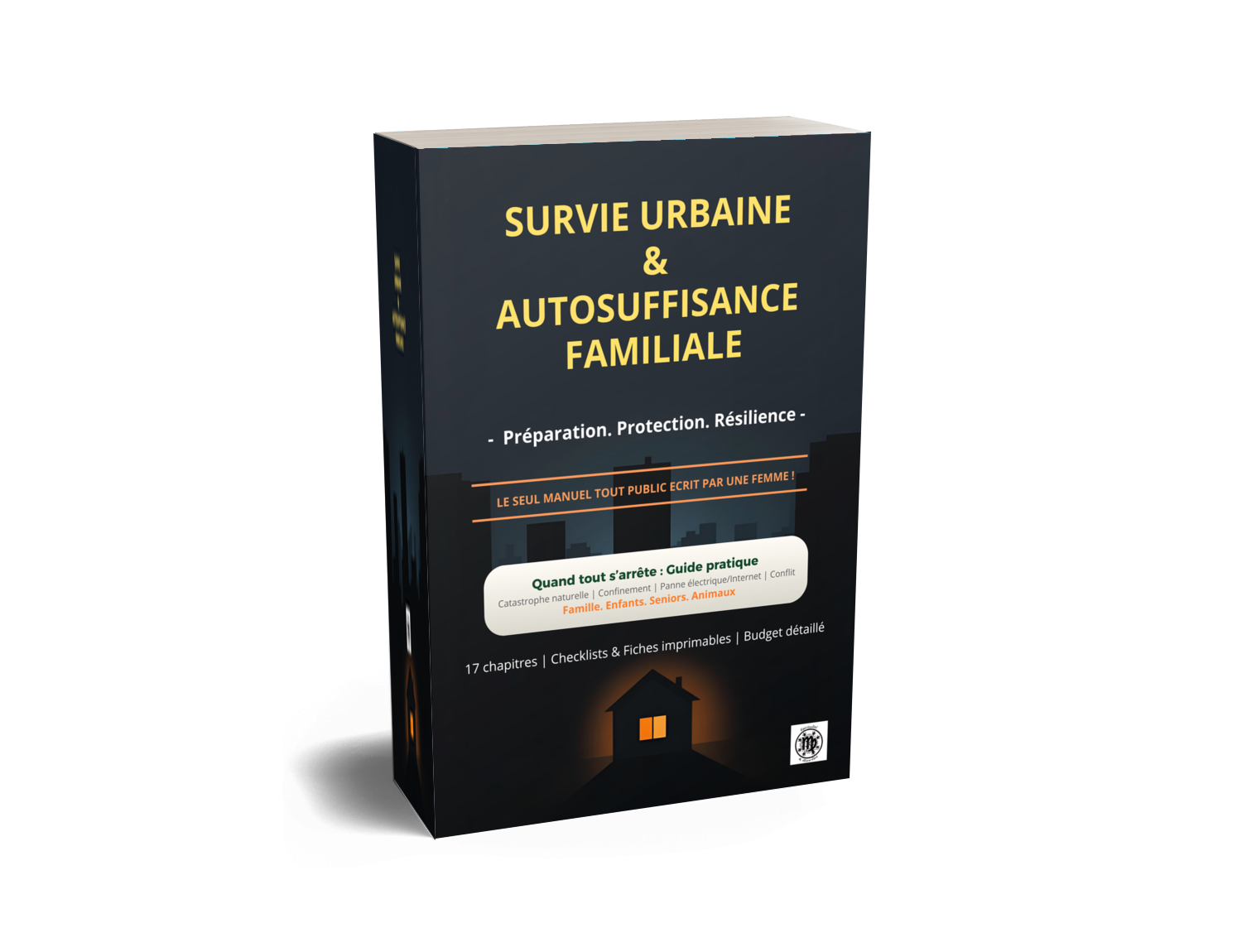 Emergency Food Stockpile: The 10 Essential Foods in a CrisisRead more
In a world where economic, geopolitical, and climate uncertainties regularly make headlines, the issue of food...
-
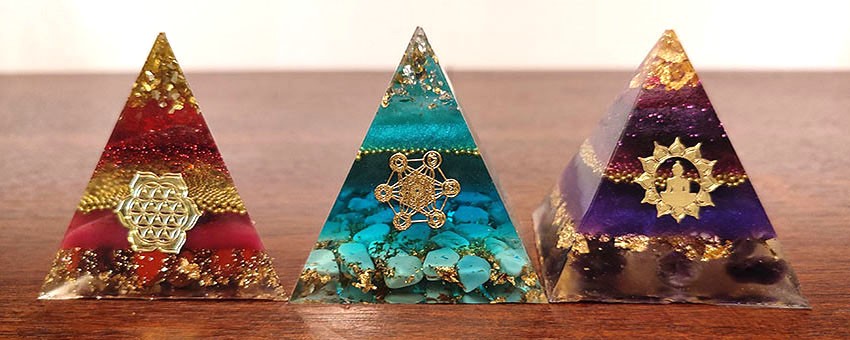 Orgonite pyramids: between craftsmanship, energy and symbolismRead more
Jewelry, decorative objects, energy generators... Orgonite pyramids fascinate as much as they raise questions. An...
-
 The Timeless Beauty of the Color PinkRead more
Pink. This unique color instantly evokes tenderness, femininity, and delicacy. In the world of handcrafted creations,...
-
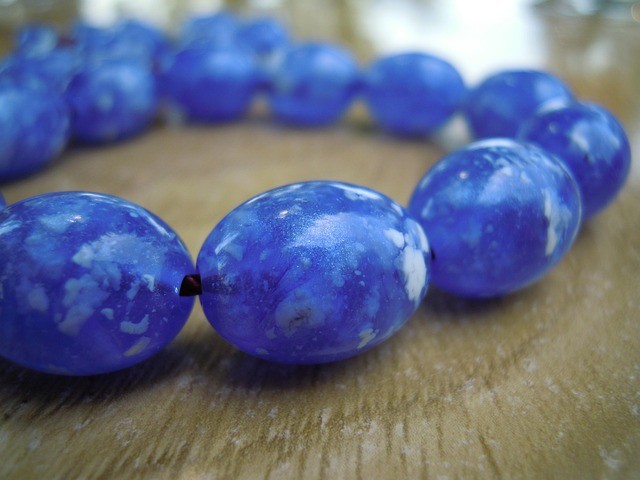 The Kombolois: The Ancestral Art of Mediterranean Bead StringsRead more
In the fascinating world of traditional handcrafted objects, komboloi hold a special place. These strings of beads,...
-
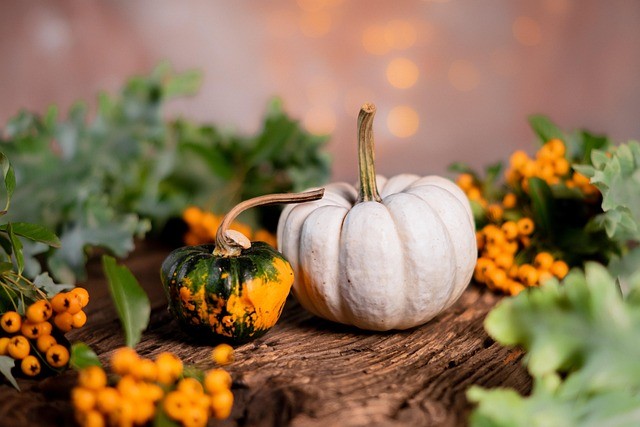 Decorative Pumpkins: An Ancient Art That Brightens Our InteriorsRead more
The decorative pumpkin is much more than just a symbol of autumn. This humble gourd has traveled through centuries...
-
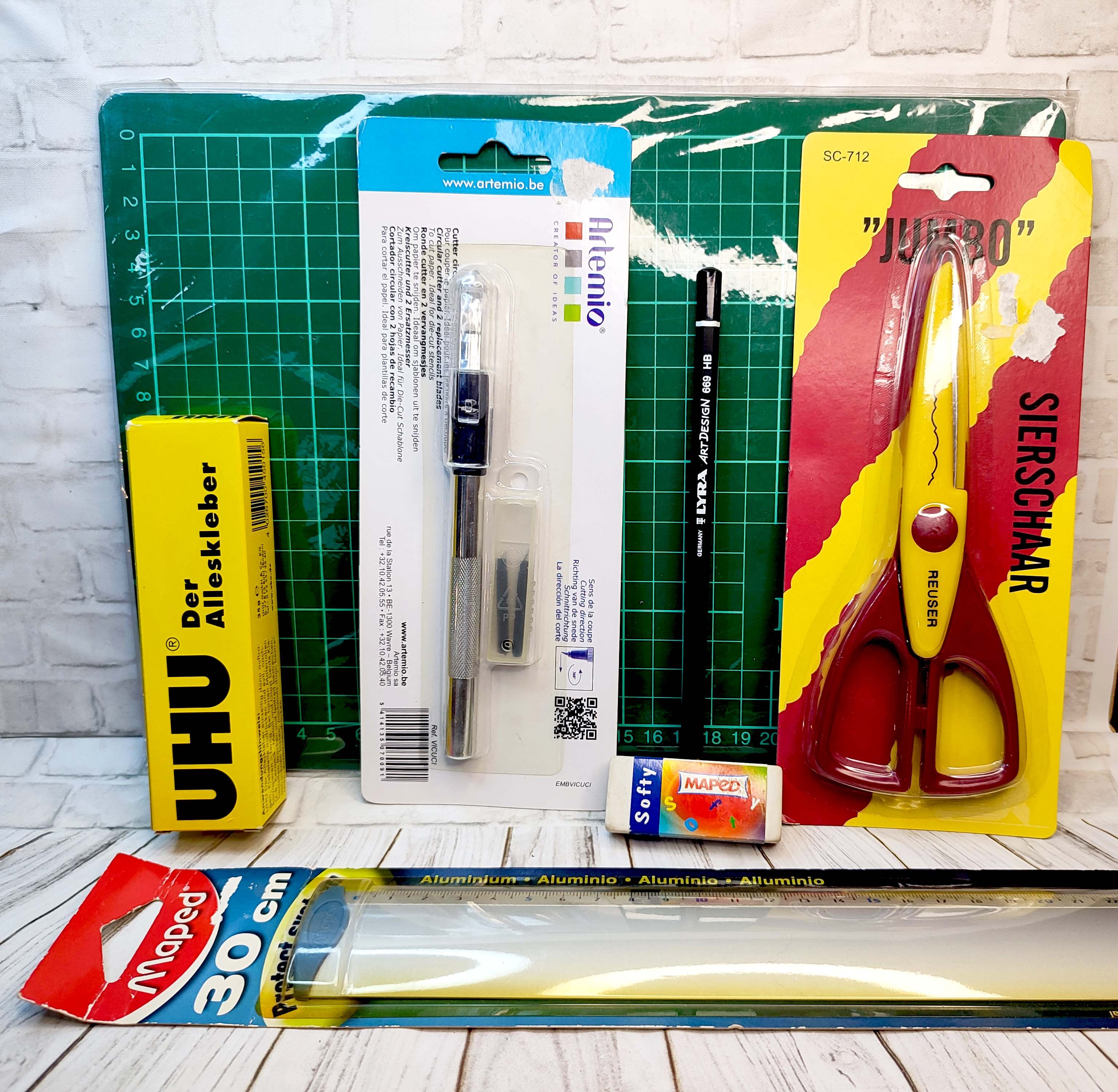 The essential materials for getting started in scrapbooking: your creative starter kitRead more
Scrapbooking, the art of creative layout that showcases photos and memories in personalized albums, is attracting a...
-
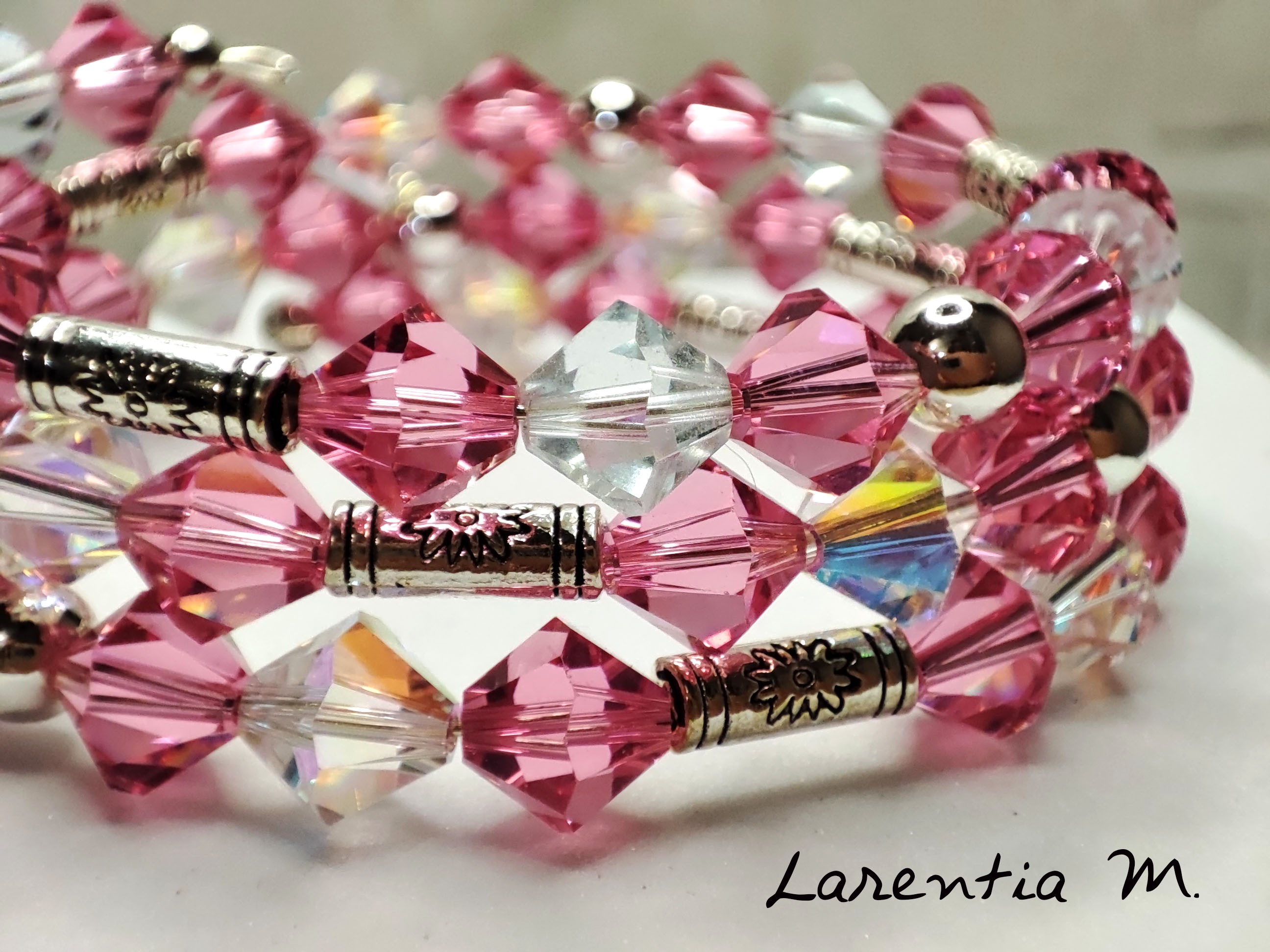 Crystal Beads: Millennial Treasures of Contemporary CraftsmanshipRead more
Crystal beads hold a special place in the world of handcrafted jewelry and home decor. These little marvels, the...
-
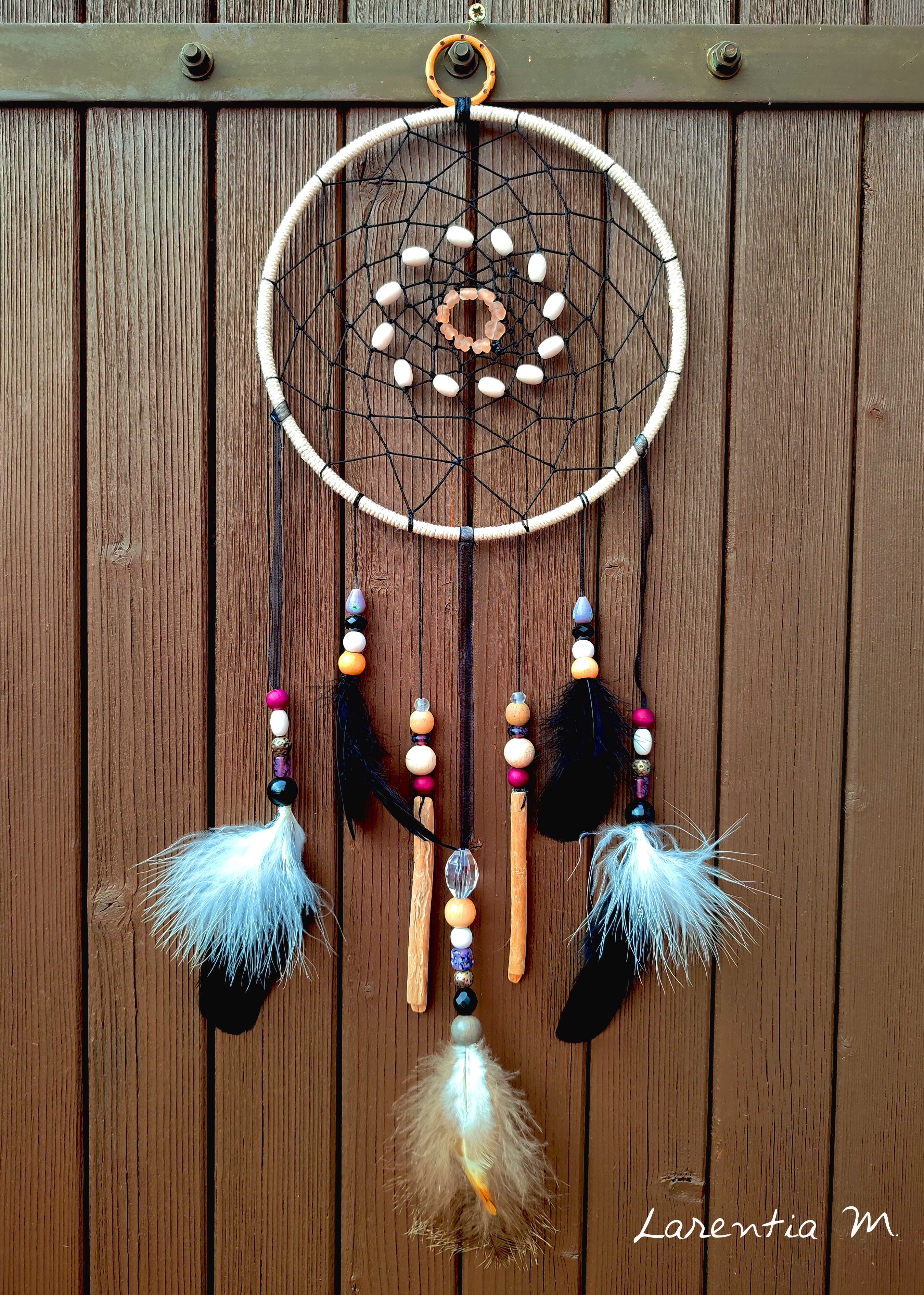 Dreamcatchers: History, Traditions and Handcrafted CreationRead more
The dreamcatcher is much more than just a decorative object. This handcrafted creation, originating in Native...
-
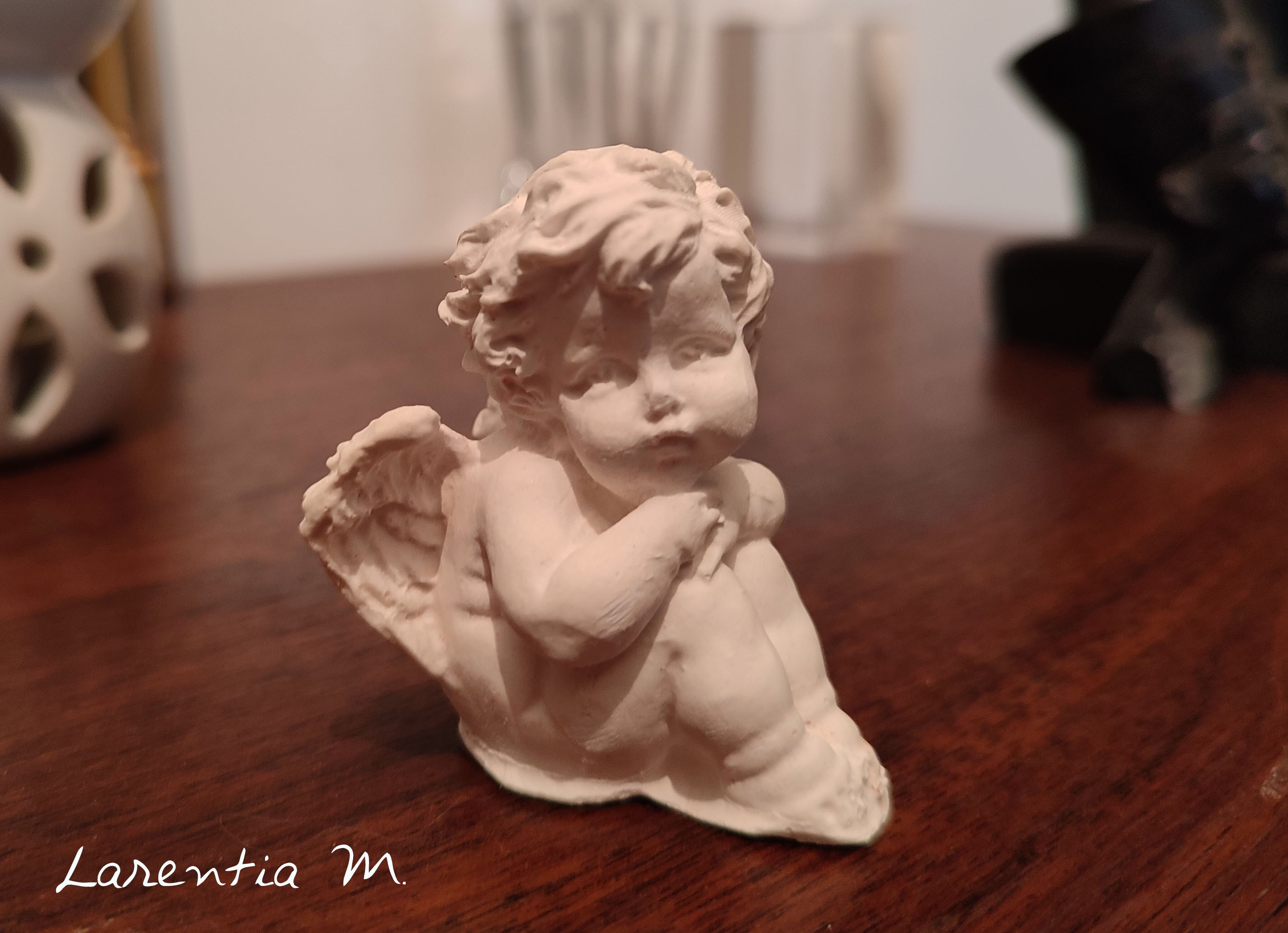 Angel Figurines: Between Celestial Tradition and Decorative ArtRead more
Angels, those beings of light who have populated our imaginations for millennia, are finding new expression in...
Blog categories
Search in blog
Purification Sticks: An Ancestral Link between Nature and Spirituality
In the vibrant and diverse world of handcrafted objects linked to spirituality, smudging sticks hold a special place, imbued with a rich history and profound meaning. These simple bundles of herbs and wood, often braided with care and intention, are much more than mere objects; they are bridges to the sacred, tools for purifying space, mind, and soul. Their aromatic smoke carries with it centuries of tradition, ritual, and connection to the natural world.
A Journey Through Time: The History of Smudging Sticks
The use of smoke for ritual and purification purposes dates back to ancient times. In many indigenous cultures around the world, burning sacred plants was a common practice to dispel negative energies, honor spirits, and establish a connection with the divine. Traces of these ancestral practices can be found in Native American traditions, where smudging with sage, cedar, or palo santo is a sacred ceremony. Celtic cultures also used herbs like juniper and heather in their purification rites. In Asia, incense, often composed of resins and aromatic plants, has played a central role in religious ceremonies and meditative practices for millennia.
The fundamental idea behind these practices is that the smoke, rising to the heavens, carries away impurities and stagnant energies, leaving behind a spiritually charged space conducive to peace and spirituality. Smudging sticks, in their simplest form, perpetuate this age-old tradition, offering a tangible and olfactory way to connect with these ancestral practices.
Aromatic Diversity: The Different Types of Smudging Sticks
The richness of smudging sticks also lies in the diversity of plants and woods used to make them, each carrying its own properties and meanings.
White sage (Salvia apiana) is undoubtedly one of the best-known smudging sticks. Revered by many Native American tribes, its smoke is considered very powerful for purifying places, objects, and people of negative energies and unwanted spirits. Its earthy and slightly medicinal aroma is instantly recognizable.
Cedar, another sacred plant for the Indigenous peoples of North America, is often used for protection, purification, and attracting positive energy. Its warm, woody scent is comforting and soothing.
Palo santo ("holy wood" in Spanish), native to South America, is prized for its sweet, balsamic, and slightly lemony aroma. Its smoke is used to purify, bring clarity, healing, and spiritual connection. Unlike sage, palo santo is often burned in small pieces rather than as a continuous bundle.
Lavender, with its floral and relaxing scent, is used to promote relaxation, peaceful sleep, and gentle cleansing. It is ideal for creating a calm and serene atmosphere.
Rosemary, with its herbaceous and stimulating notes, is associated with mental clarity, memory, and cleansing. It can be used to cleanse a space before meditation or intellectual activity.
Frankincense and myrrh, precious resins used since ancient times, are often burned as incense but can also be incorporated into cleansing sticks. Frankincense is associated with spirituality, prayer, and spiritual elevation, while myrrh is linked to healing, cleansing, and grounding.
Beyond these common examples, many other herbs, flowers, and woods can be used in cleansing sticks, depending on local traditions, the properties of the plants, and the intentions of the user, such as mugwort.
A Simple and Sacred Ritual: Using Cleansing Sticks
Using a cleansing stick is a simple yet meaningful act. Here are a few steps to integrate this ritual into your daily life:
Intention: Before you begin, take a moment to define your intention. What do you wish to cleanse? A space, an object, your own energy? Focus on this intention.
Preparation: Light the end of the cleansing stick with a match or lighter. Let the flame slightly consume the herbs or wood, then gently blow out the flame, allowing a wisp of smoke to escape.
Space cleansing: Move slowly around the room, allowing the smoke to spread into every nook and cranny. You can use your hand or a feather to direct the smoke. Visualize negative or stagnant energies dissipating with the smoke.
Object cleansing: Gently pass the objects jets you wish to purify through the smoke.
Personal Purification: Gently draw the smoke towards your body, starting at your feet and moving up to your head. Visualize the smoke carrying away tension, worries, and unwanted energies.
Gratitude and Extinguishing: Once the purification is complete, express your gratitude to nature and the spirits for their assistance. Extinguish the stick by gently pressing it into a non-flammable container filled with sand or earth. You can also allow it to burn out on its own. Keep the stick for future rituals.
It is important to use smudging sticks with respect and awareness of their origin and cultural significance. When acquiring these handcrafted items, prioritize ethical and sustainable sources, supporting artisans who work with respect for tradition and the environment.
Smudging sticks are more than just tools; they are reminders of our intrinsic connection to nature and the sacred. By integrating these ancestral rituals into our modern lives, we can create spaces of peace, cultivate clarity, and honor the wisdom of ancient traditions. Their fragrant smoke continues to carry a message of purification, healing, and harmony through time.
Posted in:
Spirituality and Well-being
Related posts
-
 What are Chakras?
Meaning of the 7 Chakras: What are the 7 Chakras, what do they symbolize? Why do the chakras close or vibrate?...Read more
What are Chakras?
Meaning of the 7 Chakras: What are the 7 Chakras, what do they symbolize? Why do the chakras close or vibrate?...Read more -
 Lithotherapy: how does it work?
Lithotherapy: journey to the heart of stones and their energies Lithotherapy, an ancestral practice which is...Read more
Lithotherapy: how does it work?
Lithotherapy: journey to the heart of stones and their energies Lithotherapy, an ancestral practice which is...Read more -
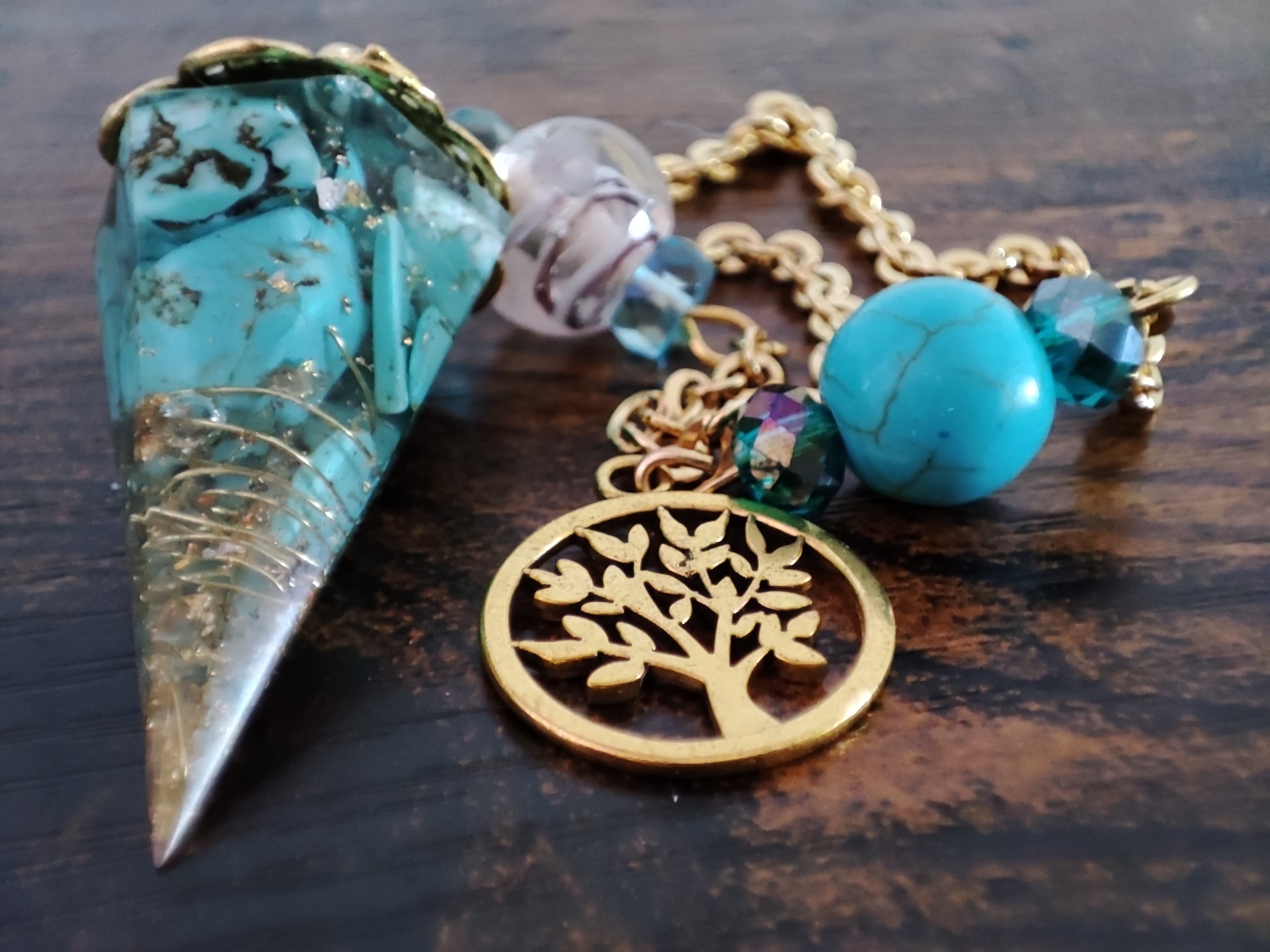 How to use a divining pendulum?
Pendulums are fascinating tools, which have been used for centuries for various divinatory and healing practices....Read more
How to use a divining pendulum?
Pendulums are fascinating tools, which have been used for centuries for various divinatory and healing practices....Read more -
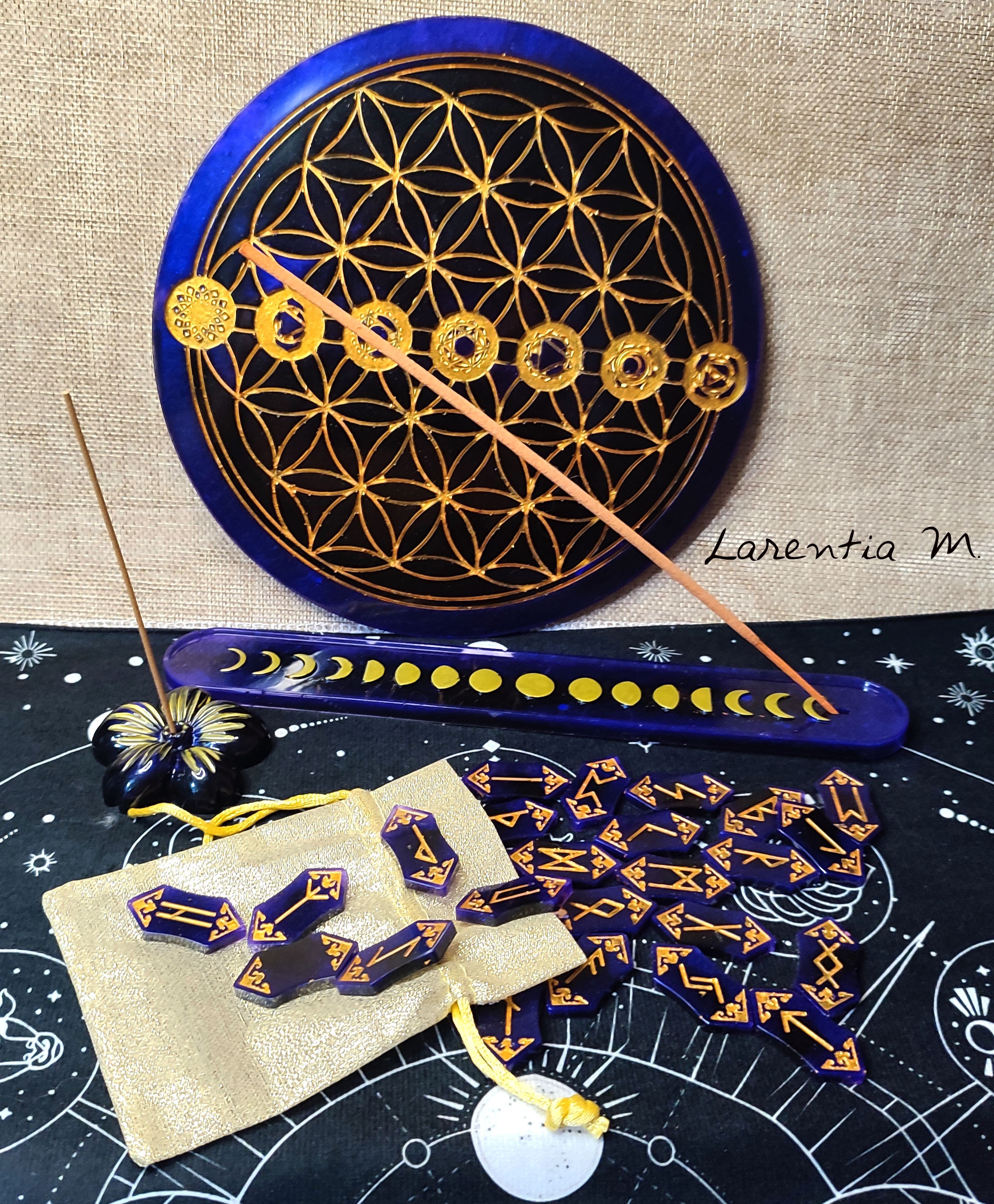 What is the flower of life? Spirituality objects and guidance on order!
The Flower of Life: A Universal and Eternal Symbol. My creations of objects linked to spirituality, to order:...Read more
What is the flower of life? Spirituality objects and guidance on order!
The Flower of Life: A Universal and Eternal Symbol. My creations of objects linked to spirituality, to order:...Read more -
 The symbolism of the color "Blue"
The color blue, omnipresent in our environment, possesses a rich symbolism that transcends ages and civilizations....Read more
The symbolism of the color "Blue"
The color blue, omnipresent in our environment, possesses a rich symbolism that transcends ages and civilizations....Read more
Leave a comment